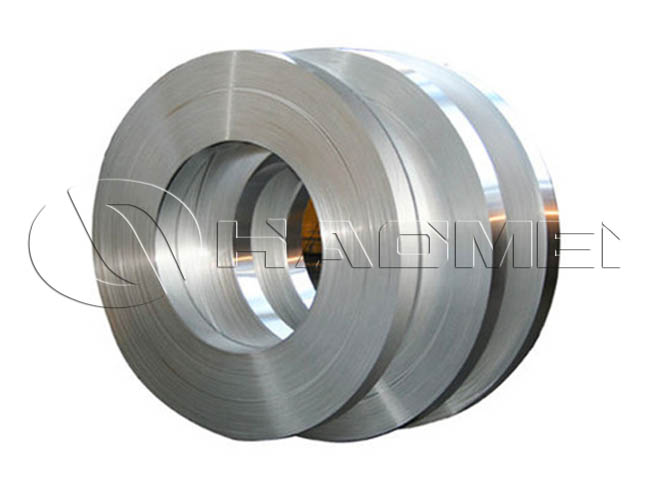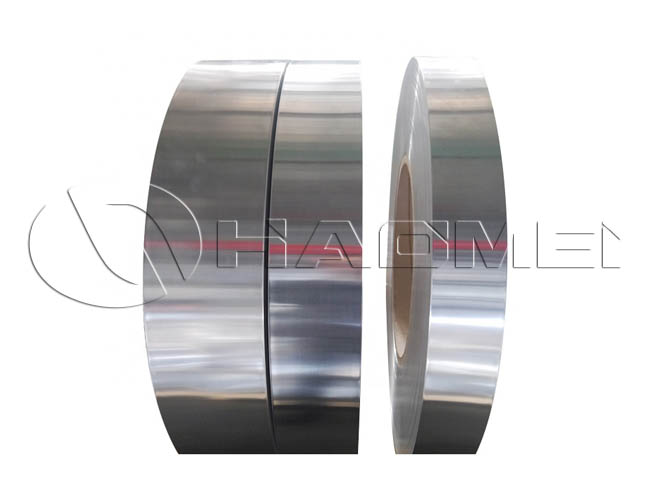
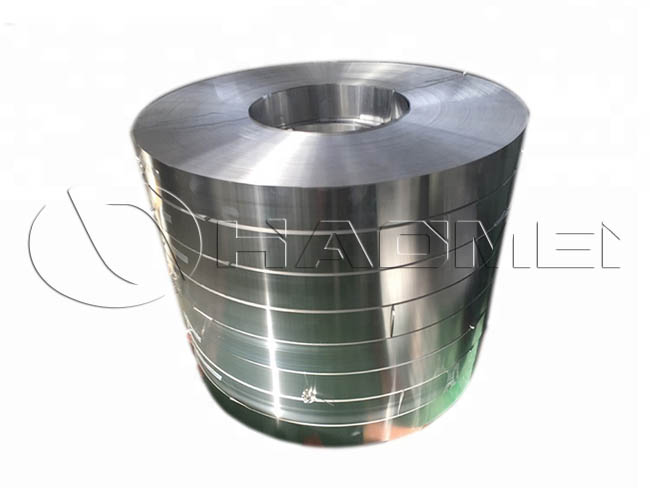
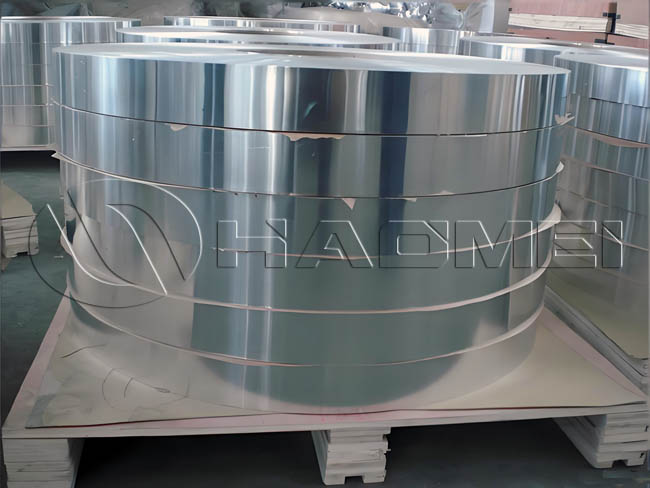
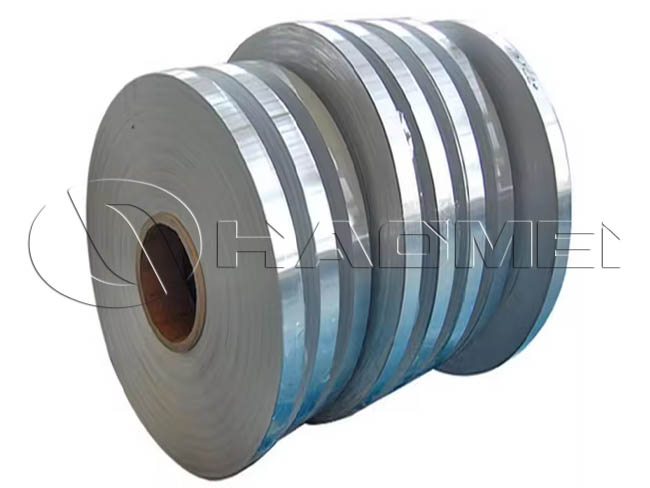
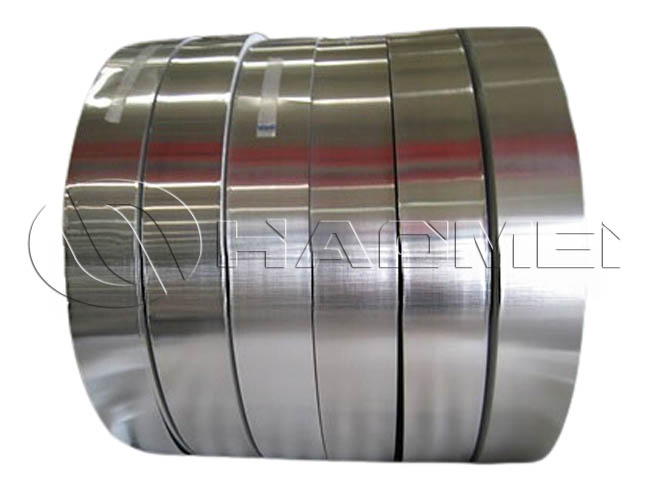
1350 Aluminum Strip
1350 HO aluminum strip for transformer windings offers excellent conductivity, high purity, and superior formability. Ideal for dry-type and oil-immersed transformers. Custom sizes available with stable quality and competitive pricing.
- Alloy:1350
- Conductivity:≥62% IACS
- Surface:Smooth, clean, free from defects
- Application:Transformer windings
In the modern power industry, the efficiency and reliability of transformers largely depend on the quality of winding materials. As an industrial pure aluminum with Al ≥ 99.50%, 1350 aluminum strip has become a preferred material for dry-type transformers, oil-immersed transformers, and reactor windings, thanks to its excellent conductivity, good workability, and high cost-performance ratio.
Product Overview
1350 aluminum alloy is specifically designed for electrical applications. Compared with traditional copper windings, 1350 aluminum strip (also known as transformer winding aluminum strip) can significantly reduce transformer weight and material costs while achieving equivalent electrical performance.
HAOMEI's 1350 transformer aluminum strip is produced through precision rolling and strict heat treatment, ensuring that both physical properties and chemical composition meet national and international electrical standards.
Common tempers include:O (annealed), H12, H14, H16, H18
Among them, fully annealed 1350-O aluminum strip can achieve a conductivity of ≥62% IACS, ensuring reliable current-carrying capacity under full-load operation.
HAOMEI Aluminum is a professional manufacturer of aluminum strip for transformers. We have multiple aluminum strip slitting production lines and can customize the width and length of aluminum strip according to customer requirements, with thicknesses ranging from 0.2mm to 3.5mm and widths from 10mm to 1500mm. The capacity of the strip dimensions is exactly the same as that of standard copper wire dimensions. Our products have a smooth, scratch-free surface, and the edges are 100% burr-free. The resistivity and conductivity are superior to national and industry transformer standards.
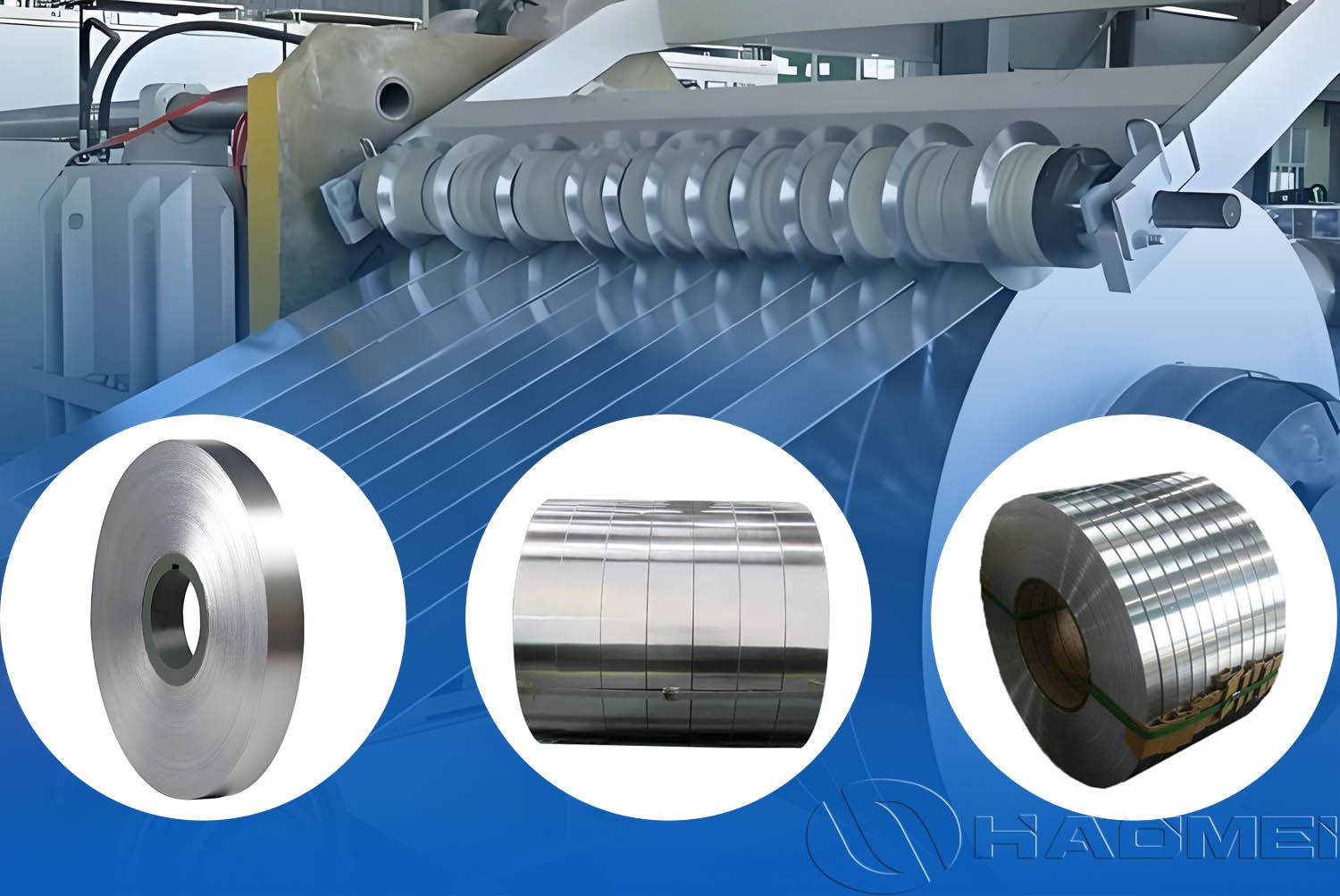
Edge Deburring Range (1350 O/HO Aluminum Strip)
| Thickness (mm) | ≤0.20 | >0.20 |
| Burr | ≤0.03 | ≤0.05 |
| Camber | ≤0.5 | ≤2 |
| Layering | ≤4 | ≤5 |
Specifications of 1350 Aluminum Strip
| Alloy | 1350 |
| Temper | O/HO |
| Thickness (mm) | 0.06 – 3.00 |
| Width (mm) | 30 – 1500 |
| Conductivity (% IACS) | ≥ 62% IACS |
| Elongation (%) | ≥20 (Thickness: 0.08-0.20) ≥25 (Thickness: 0.20-3.00) |
| U. T. S | 60-95N/mm2 |
| Density in 20℃ | 2.703kg/m3 |
| Resistivity (Ω·mm² /m) | ≤0.02825 |
| Burr's height | 0.01–0.03mm vary with thickness of the strip |
| Collapsed side's height | 0.05–0.1mm |
| ID | Ø150mm,Ø300mm, Ø400mm, Ø500mm |
| Surface | Smooth, free from scratches and impurities |
| Application | Transformer winding |
| Packing | Eye to wall and eye to sky, wooden pallet and wooden case |
| Sample | Available |
| Remark | Transformer aluminum strip can be customized |
| MOQ | 1-3 tons |
Mechanical Properties
| Tensile Strength | 60–95 N/mm² |
| Elongation | ≥25% |
| Density (20°C) | 2.703 kg/dm³ |
| Resistivity | ≤0.02825 Ω·mm²/m |
chemical composition (%)
| Alloy | Al | Si | Fe | Mg | Zn | Mn | Ti | Cu | V |
| 1350 | ≥99.5 | 0.0431 | 0.203 | 0.0013 | 0.0093 | 0.0104 | 0.02 | 0.0022 | 0.0039 |
Thickness & Width Tolerance (1350 O/HO)
| Alloys | 1350-O/HO | |||||||
| Thickness (mm) | 0.08-0.20 | 0.20-0.40 | 0.40-0.80 | 0.80-1.00 | 1.10-1.40 | 1.40-2.00 | 2.00-2.50 | 2.50-3.00 |
| Thickness Tolerance (mm) | ±8% of nominal thickness | ±0.02 | ±0.03 | ±0.04 | ±0.05 | ±0.06 | ±0.07 | ±0.08 |
| Width (mm) | <100 | 100-300 | 300-600 | 600-1250 | 1250-1500 | |||
| Width Tolerance (mm) | ±0.10 | ±0.20 | ±0.30 | ±1.00 | ±2.00 | |||
Key Advantages of 1350 Aluminum Strip
1. Excellent Electrical Conductivity
Conductivity reaches ≥61.8% IACS, close to copper, with significantly lower cost.
2. Superior Formability
O temper offers excellent ductility, suitable for high-speed winding without cracking.
3. High Surface Quality
Clean, smooth, oil-free, and burr-free surface improves insulation reliability and reduces partial discharge risk.
4. Stable Dimensional Accuracy
Precision rolling ensures consistent thickness and stable electrical performance.
5. Excellent Thermal Conductivity
Efficient heat dissipation enhances transformer safety and longevity.
6. Recyclability
100% recyclable, supporting sustainable development goals.
Manufacturing Process
The production of 1350 aluminum strip includes:
Raw material melting and refining
Casting or hot rolling
Cold rolling (precision thickness control)
Annealing (to achieve desired temper)
Slitting and inspection
Strict quality control ensures consistency and reliability throughout the process.
Product Types
Based on specific application scenarios and processing requirements, 1350 transformer aluminum strip is primarily categorized into two types, designed to precisely meet the diverse operational needs of various transformers:
- Bare Aluminum Strip: Featuring a surface free of additional coatings, this type serves directly as the conductive element within transformer windings. It is predominantly utilized in oil-immersed transformers, where it is well-suited for prolonged immersion environments and exhibits excellent resistance to oil corrosion as well as superior electrical conductivity stability.
- Coated Aluminum Strip: Featuring an insulating layer applied to its surface, this type is primarily employed for inter-layer insulation within transformer windings. It effectively enhances inter-layer dielectric performance, prevents short circuits and electrical interference, and is ideally suited for use in dry-type transformers and substation environments with stringent insulation requirements.
Main Applications of 1350 O Aluminum Strip
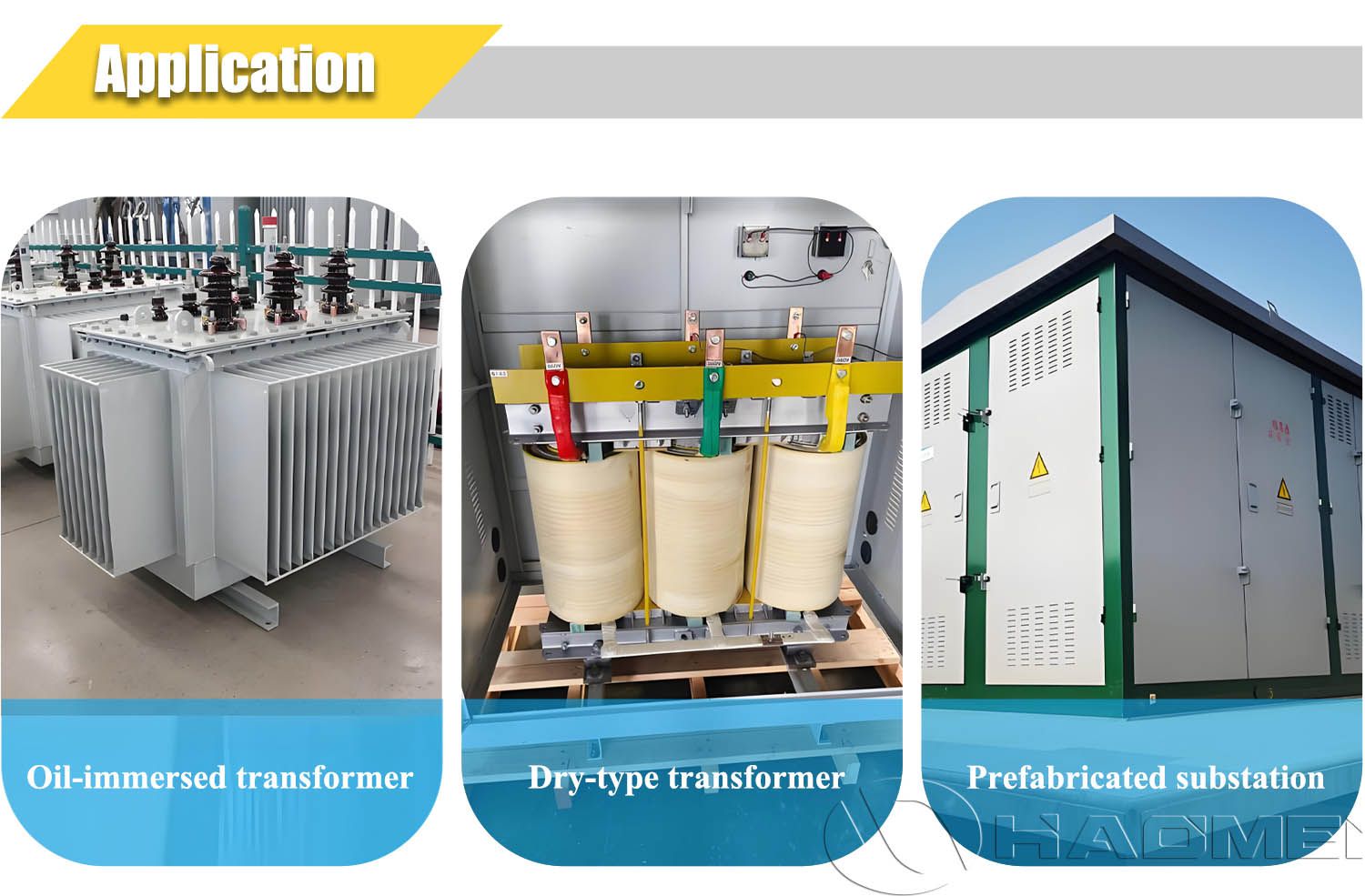
Dry-type Transformers: Used for low-voltage windings, offering excellent heat dissipation and a robust structure.
Oil-immersed Transformers: Excellent chemical stability and high compatibility with transformer oil.
Reactors: Stable performance under high current conditions and strong corrosion resistance.
Bus Trusses and Disconnect Switches: Utilizing their lightweight and high conductivity for efficient power distribution.
Shipping Packaging
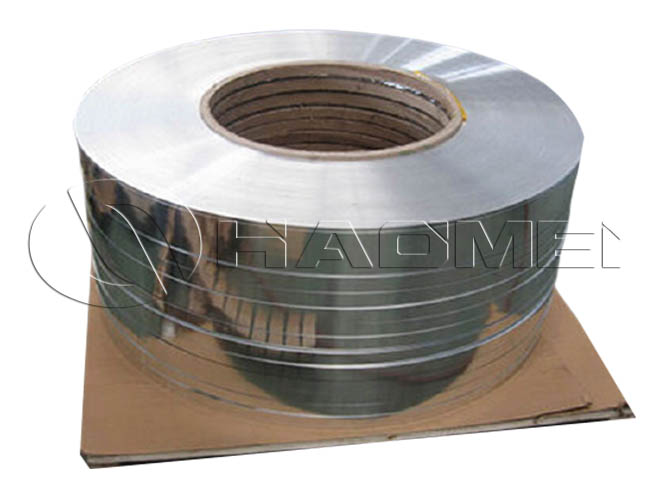
Considering the high cleanliness requirements of the aluminum strip surface, standard 1350 transformer aluminum strip is packaged with an inner moisture-proof paper lining, an intermediate paper sleeve or aluminum sleeve (inner diameter typically 150mm, 300mm, or 500mm), and an outer sturdy wooden pallet or crate. The coils are usually placed "eye to wall" or "eye to sky" to ensure no loosening or collision damage during transportation.
FAQ
Q1: What is 1350 aluminum strip used for?
A: It is mainly used for transformer windings, electrical conductors, and power distribution equipment.
Q2: Why choose aluminum instead of copper?
A: Aluminum is lighter and more cost-effective. With proper design adjustments, it can achieve comparable electrical performance.
Q3: Which temper is most suitable?
A: O (annealed) temper is the most common due to its excellent flexibility.
Q4: What is the conductivity of 1350 aluminum strip?
A: Typically ≥61% IACS, suitable for electrical applications.
Q5: Can you provide customized sizes?
A: Yes, thickness, width, inner diameter, and coil weight can all be customized.
Q6: How do you ensure product quality?
A: Through strict quality control, including chemical analysis, conductivity testing, mechanical testing, and surface inspection.
Q7: Are surface treatments available?
A: Yes, degreasing, cleaning, and special surface treatments can be provided.
Q8: Which industries use 1350 aluminum strip?
A: Transformer manufacturing, power transmission, electrical equipment, and energy infrastructure sectors.
Tags