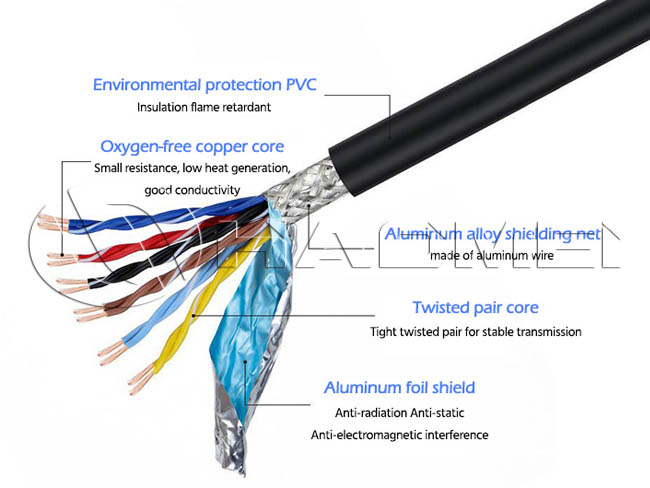
Aluminum Alloy Strip for Cable Shielding
High-quality aluminum alloy strip for cable shielding with excellent conductivity and EMI protection. Available in 1060, 3003, 5052 alloys.
- Alloy:1060,3003,5052
- Conductivity:55%–61% IACS
- Surface resistance:≤0.05 Ω/sq
- Shielding effectiveness:≥80 dB (30 MHz–1 GHz)
In modern power grids and communication networks, cables are responsible for transmitting electricity and signals. However, when current flows through conductors, electromagnetic fields are generated around the cable. These fields can interfere with nearby equipment and circuits, and may even induce unwanted potential differences within insulation layers or sheaths.
With excellent electrical shielding performance, lightweight structure, corrosion resistance, high flexibility, and cost efficiency, aluminum alloy strips are gradually replacing traditional copper and steel tapes. They have become the mainstream shielding material for low- and medium-voltage power cables, communication cables, control cables, and RF cables-effectively resisting external electromagnetic interference, preventing signal leakage, and improving transmission quality and operational stability.
What is the Role of the Shielding Layer in Cables?
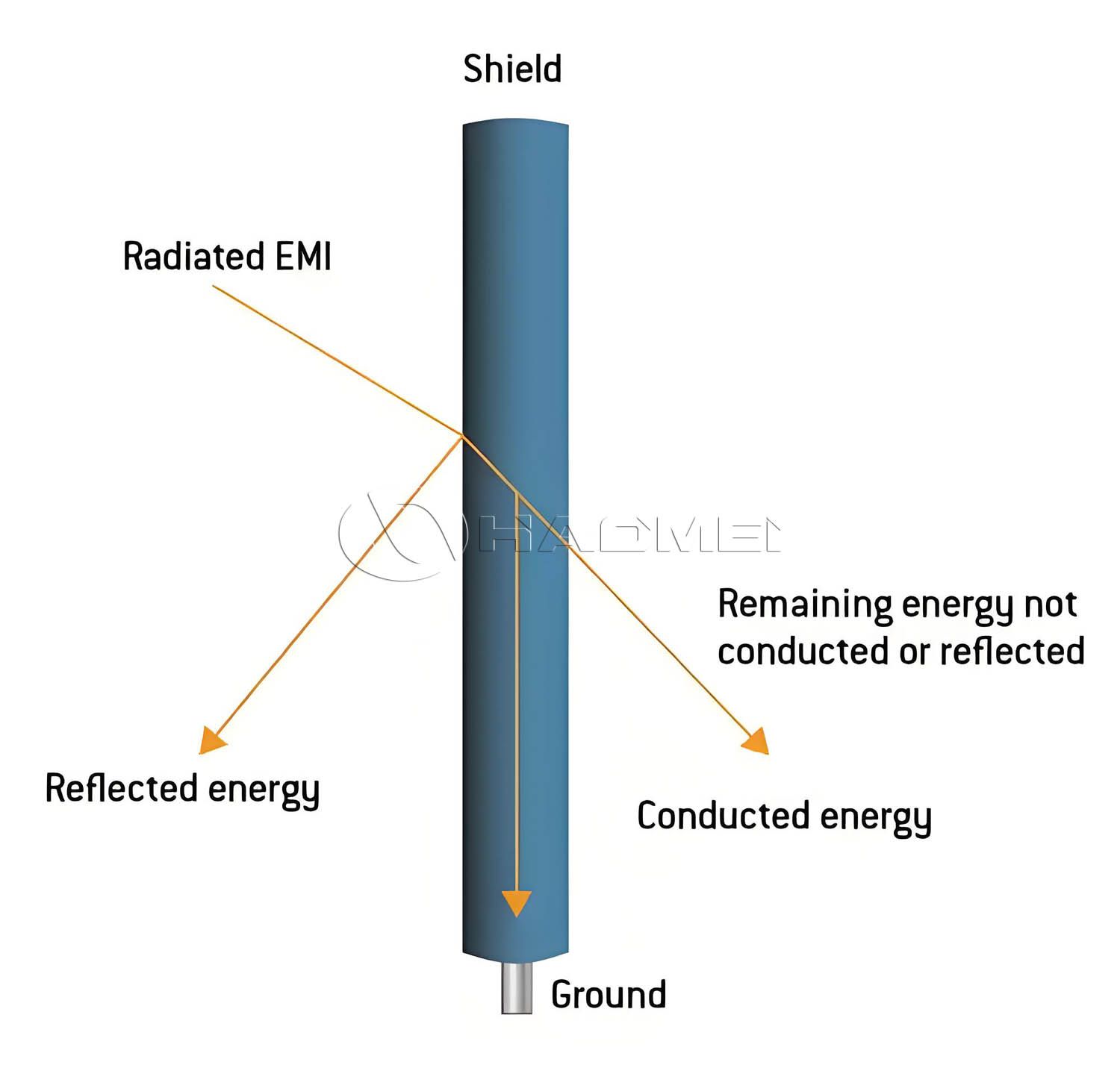
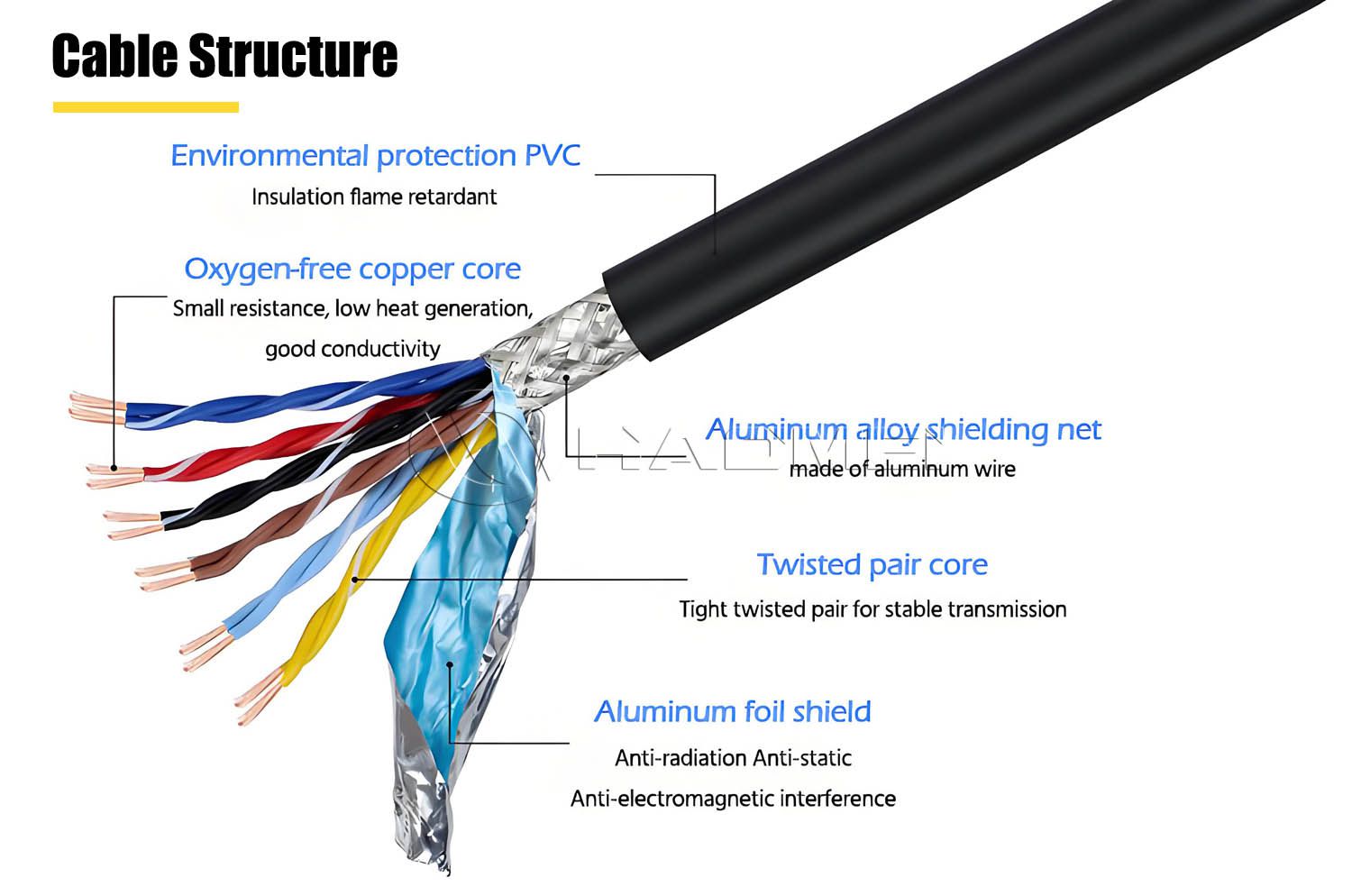
To understand the value of aluminum alloy strip, it is essential to clarify the function of the shielding layer in cable structures. The metallic shielding layer is typically applied outside the insulation layer, with three core functions:
Electric Field Equalization & Insulation Protection:
In medium- and high-voltage cables (≥6kV), the shielding layer confines the electric field within the insulation, eliminating partial discharge caused by air gaps and slowing insulation aging.
Fault Current Conduction & Safety Protection:
In case of insulation breakdown, the shielding layer provides a low-impedance path for short-circuit current, ensuring protective devices operate promptly.
Electromagnetic Compatibility (EMC):
In communication and control cables, the shielding layer blocks external electromagnetic interference and prevents internal signal radiation, ensuring signal integrity and confidentiality.
Product Overview
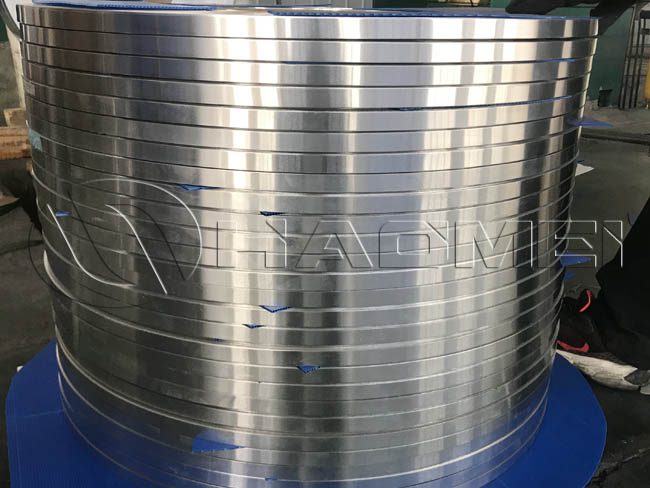
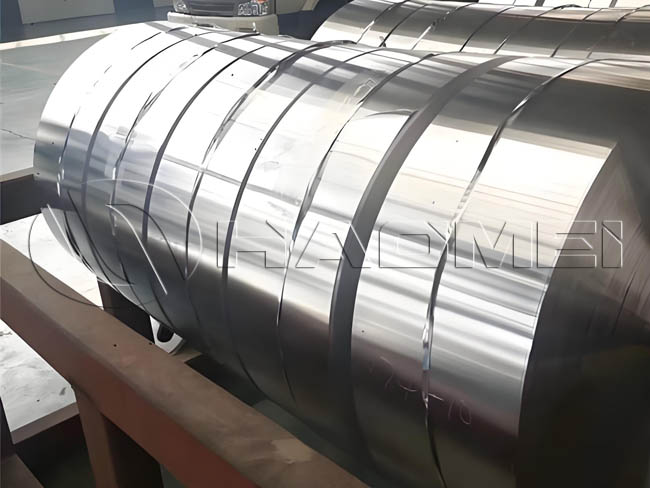
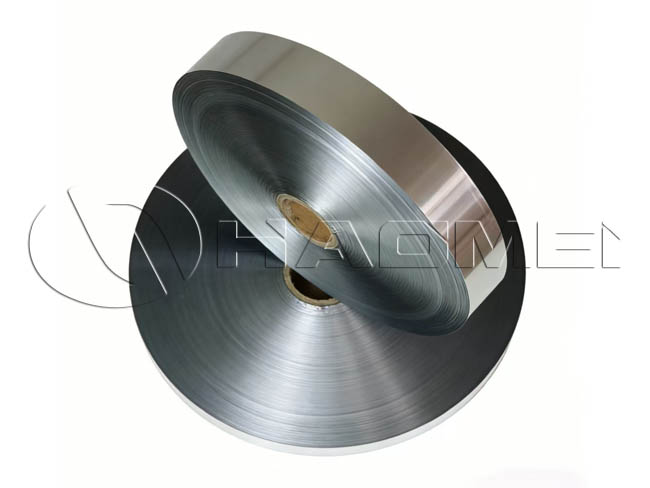
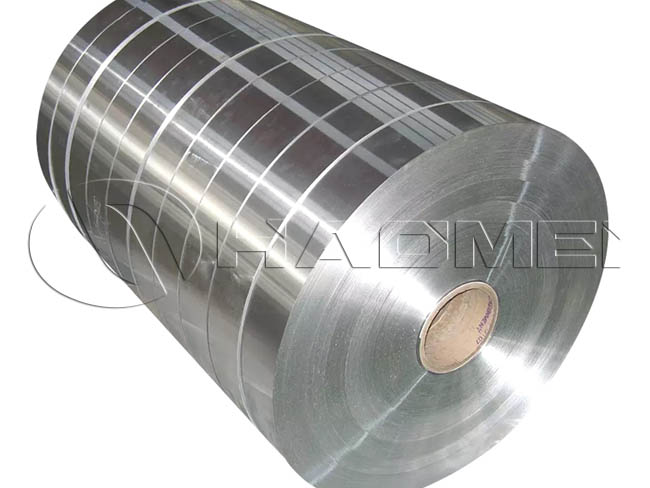
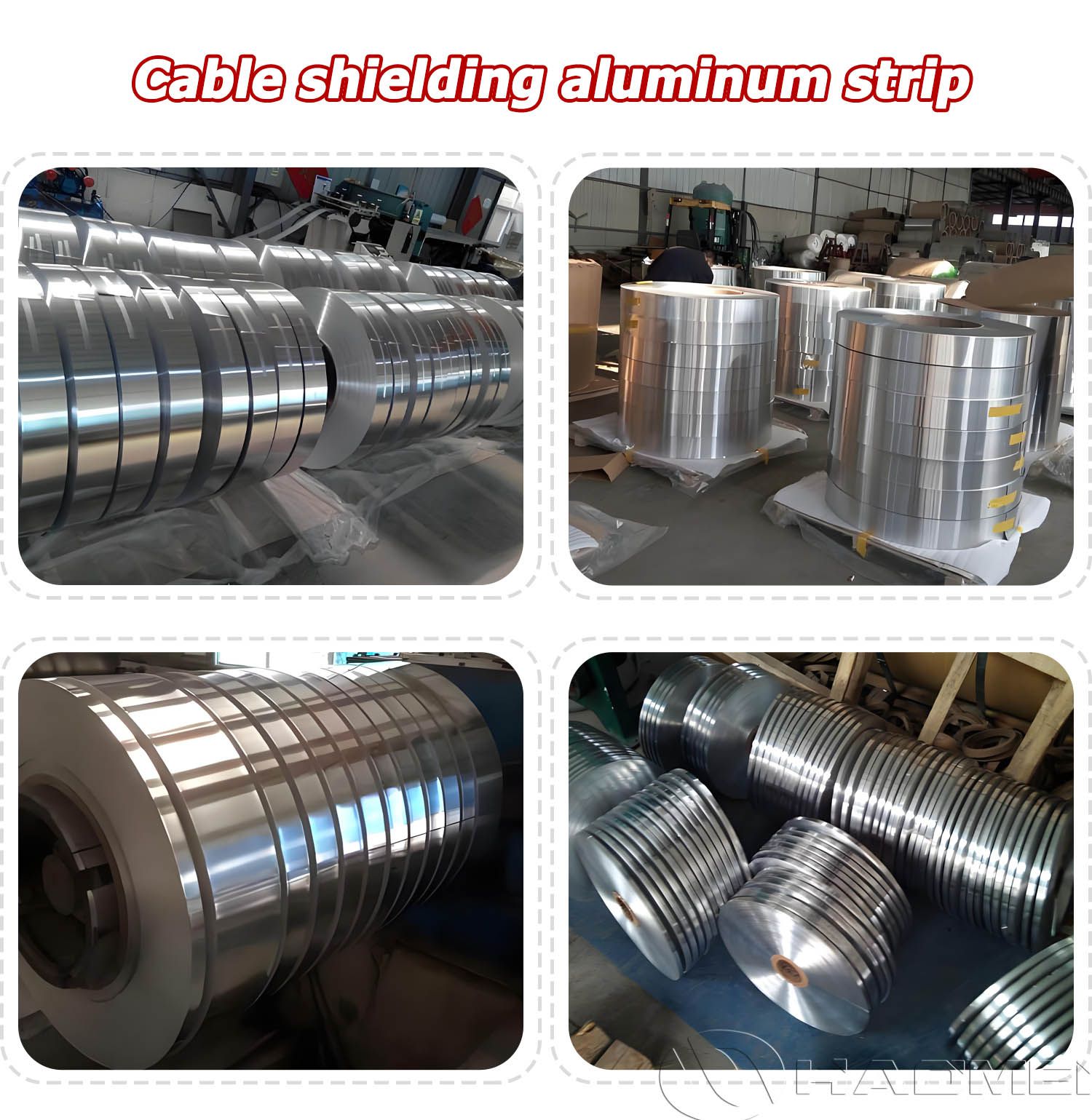
Aluminum alloy strip is a high-precision material produced through hot rolling and cold rolling processes. In cable manufacturing, it is typically used as a shielding or protective layer, applied by longitudinal wrapping, helical wrapping, or laminated structures to form a continuous metallic shield around the insulation layer.
Core Functions
Electromagnetic shielding
Signal stabilization
Mechanical protection
Moisture and water resistance
Extended cable service life
Core Materials
To meet varying requirements for shielding, strength, and corrosion resistance, multiple alloy grades are available:
1. 1060 pure aluminum alloy: With an aluminum content ≥99.6%, it boasts high purity and excellent conductivity. After annealing (O state), it exhibits exceptional flexibility, easy wrapping, good fit, a smooth and impurity-free surface, and stable shielding effectiveness. Suitable for medium and low voltage power cables, general communication cables, and control cables, it is the economical choice for conventional shielding applications.
2. 3003 aluminum-manganese alloy: The addition of manganese increases its strength by 15%-20% compared to 1060. Its corrosion resistance and creep resistance are significantly improved, combining good conductivity with flexibility. Suitable for cables requiring both shielding and light mechanical protection, such as outdoor overhead cables, industrial control cables, and marine cables.
3.5052/5154 aluminum-magnesium alloy has a high magnesium content and belongs to medium-high strength aluminum alloy. Its tensile strength reaches 276-303MPa, and its elongation after fracture is ≥10%. It has excellent resistance to seawater corrosion, acid and alkali, and aging resistance, and is suitable for cables in harsh environments, such as submarine cables, mining cables, corrosion-resistant special cables, and rail transit cables.
Key Features of Cable Shielding Aluminum Alloy Strip
Excellent Electromagnetic Shielding
High conductivity enables formation of a continuous metallic barrier, reducing EMI and ensuring signal stability.Lightweight & Easy Installation
Density is about one-third of steel, reducing cable weight and installation difficulty.Strong Corrosion Resistance
Natural oxide film protects against moisture, air, and chemicals, ideal for underground and humid environments.Outstanding Processability
High ductility and flexibility support high-speed longitudinal wrapping without cracking.High Surface Quality
Smooth surface, uniform thickness, free of oil and scratches, ensuring stable cable production.Cost Advantage
Significantly lower cost than copper, reducing overall procurement and infrastructure expenses.Thermal Stability
Operating temperature range: -40°C to 150°C, maintaining performance under long-term heat and short-circuit conditions.Eco-Friendly & Recyclable
Free from heavy metals, fully recyclable, compliant with environmental standards.
Specifications
| Alloy | 1060,3003,5052,etc |
| Temper | O / H14 / H24 |
| Thickness | 0.10–0.30 mm (common: 0.12 / 0.15 / 0.18 / 0.20 / 0.25 mm) |
| Width | 10–500 mm (common: 20 / 25 / 30 / 35 / 40 / 50 / 100 / 200 mm) |
| Thickness Tolerance | ±0.005 mm |
| Width Tolerance | ±0.1 mm |
| Flatness | ≤0.5 mm/m |
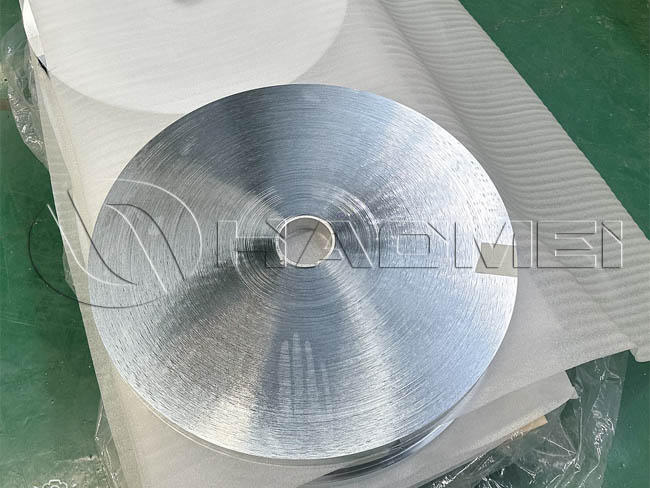
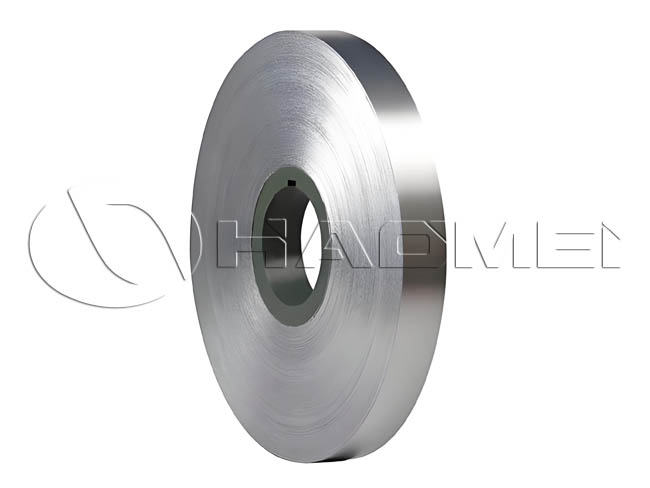
| Inner Diameter | 76 mm / 152 mm |
| Outer Diameter | 300–800 mm |
| Coil Weight | 50–500 kg |
| Electrical Properties | Conductivity: 55%–61% IACS Surface resistance: ≤0.05 Ω/sq Shielding effectiveness: ≥80 dB (30 MHz–1 GHz) |
Application Scenarios
Communication: 5G base station coaxial cables, high-speed data cables (USB 4.0, HDMI 2.1), fiber optic cables
Power Systems: Medium/high-voltage cables and inverter cables
Special Industries: Aerospace, medical equipment, precision instruments
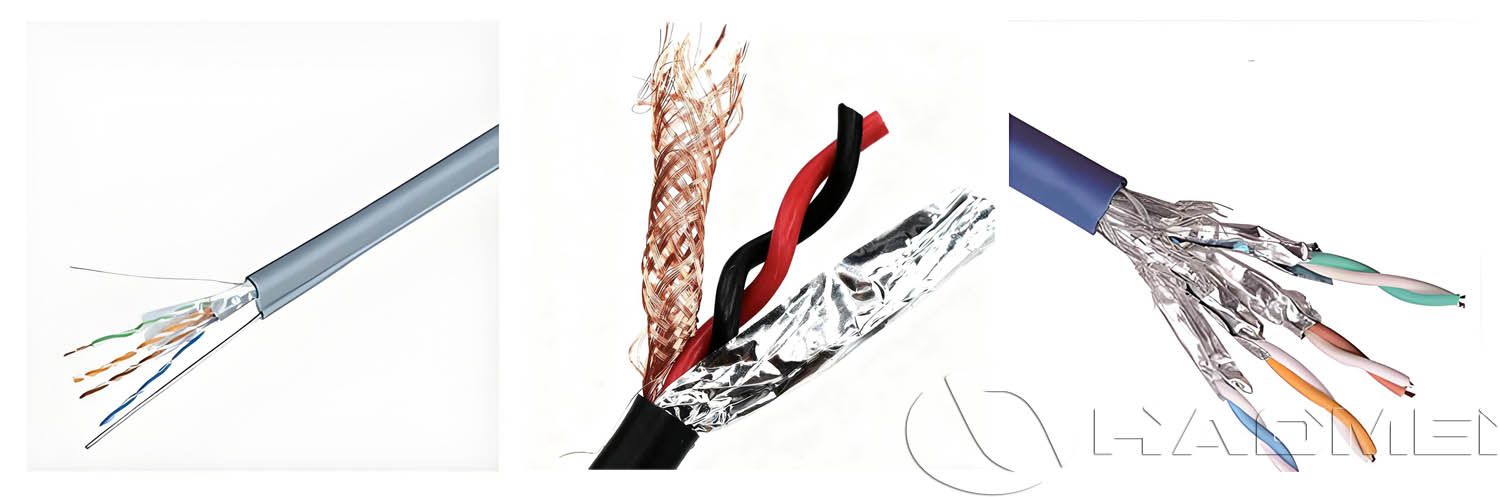
Building Wiring: Shielded twisted pair (STP) cables and flame-retardant cables
Why Choose HAOMEI Aluminum?
Strict Quality Control
Comprehensive inspection from raw materials to finished products ensures consistent quality.
Extensive Production Experience
Years of expertise in aluminum strip manufacturing for cable applications.
Advanced Equipment
Modern rolling and precision slitting lines ensure dimensional accuracy and surface quality.
Flexible Customization
Custom thickness, width, alloy grades, and surface treatments available.
Global Supply Capability
Products exported worldwide, widely used in power and communication industries.
FAQ
Q1: What is the difference between shielding aluminum strip and armoring aluminum strip?
A: Shielding aluminum strip (typically ~0.1 mm thick) is used for electromagnetic interference protection, while armoring aluminum strip (usually ≥0.6 mm) provides mechanical protection.
Q2: What are the advantages of aluminum strip over copper strip?
A: Aluminum is lighter, more cost-effective, and still offers good conductivity and corrosion resistance.
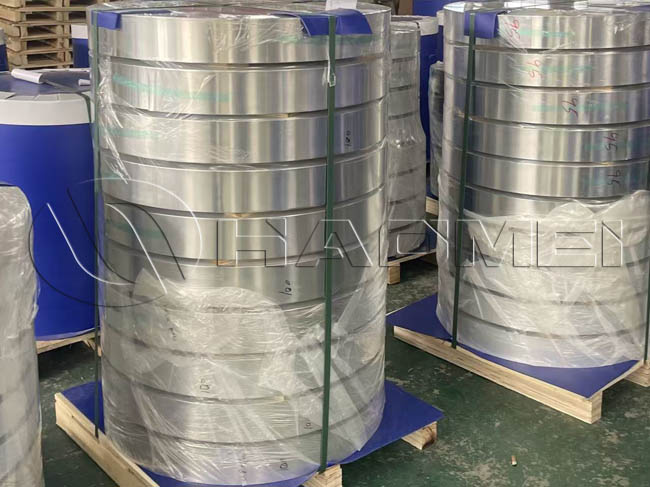
Q3: How are the products packaged and transported?
A: Typically moisture-proof packaging with wooden pallets or wooden cases to ensure safe transportation.
Q4: Do you supply aluminum-PET laminated products?
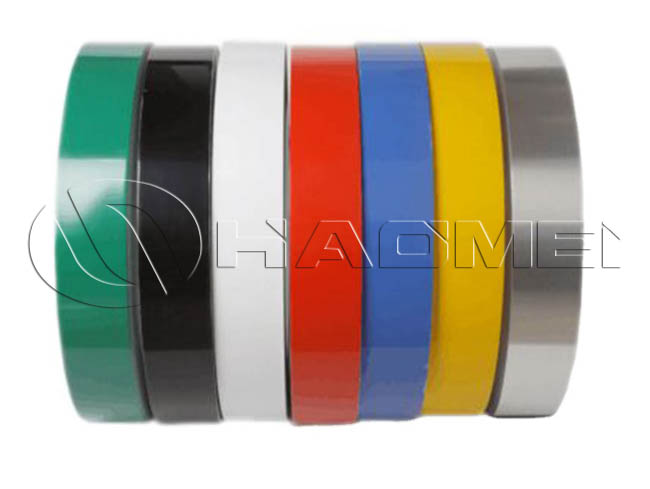
A: Yes, both bare aluminum strip and single/double-sided aluminum-plastic laminated shielding tapes are available.
Q5: How do you ensure quality consistency for bulk orders?
A: Batch traceability is implemented. Each coil has a unique ID and undergoes tensile, conductivity, and surface testing before shipment.
Tags