Transformer Windings
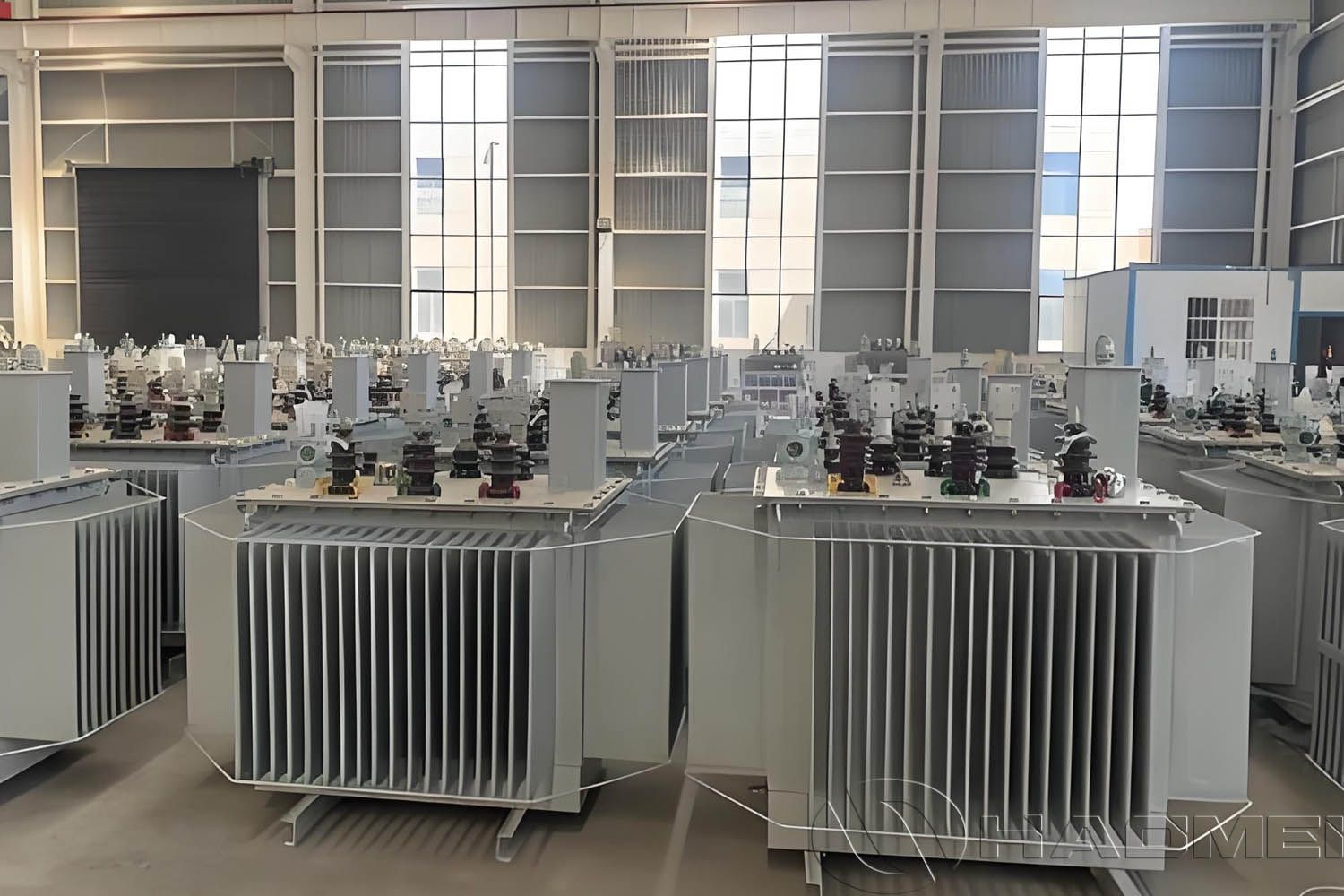
A large European power equipment manufacturer has long been engaged in the R&D and production of medium- and high-voltage power transformers. Its products are widely used in renewable energy, power transmission and distribution, and industrial automation sectors.
With the rapid growth of renewable energy projects (wind power and photovoltaic), the customer has raised higher requirements for transformer performance:
Higher electrical conductivity to reduce energy loss
More stable welding quality to minimize failure rates
Stronger corrosion resistance for complex environments
Higher consistency for large-scale automated production
The original copper winding solution involved high costs, while conventional aluminum strips faced issues such as welding porosity and insufficient joint strength. Therefore, the customer sought a more optimized solution.
Solution
In response to these requirements, HAOMEI Aluminum provided a dedicated TIG welding aluminum strip solution for transformer windings:
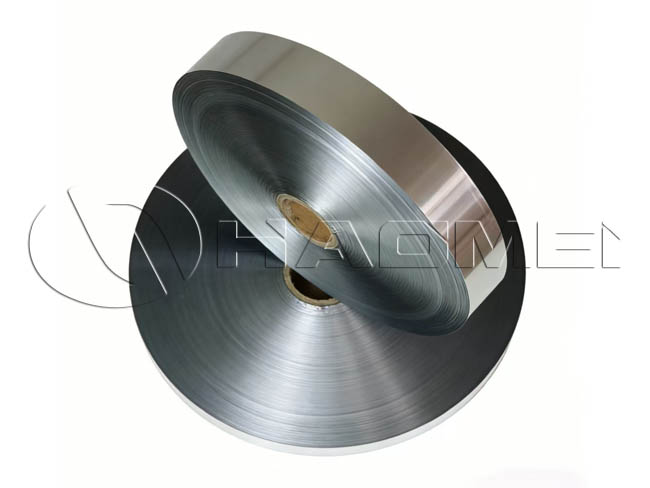
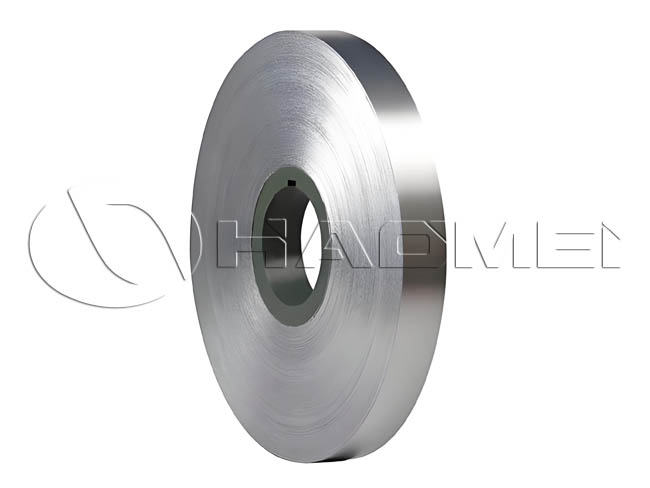
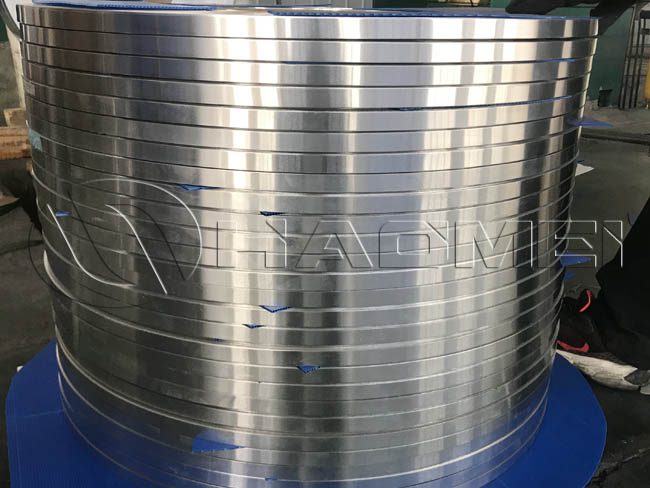
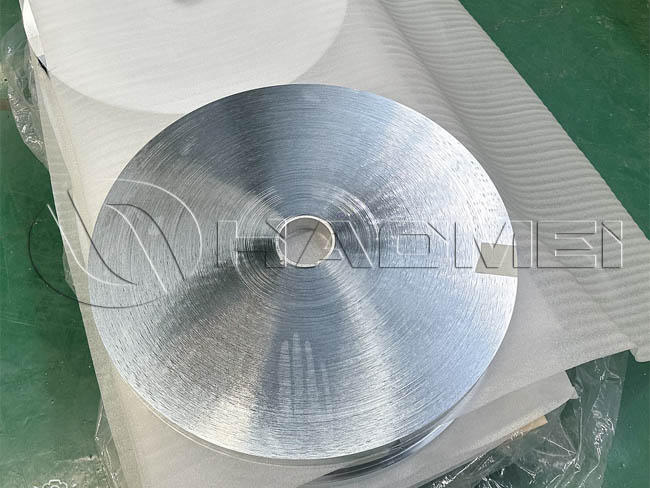
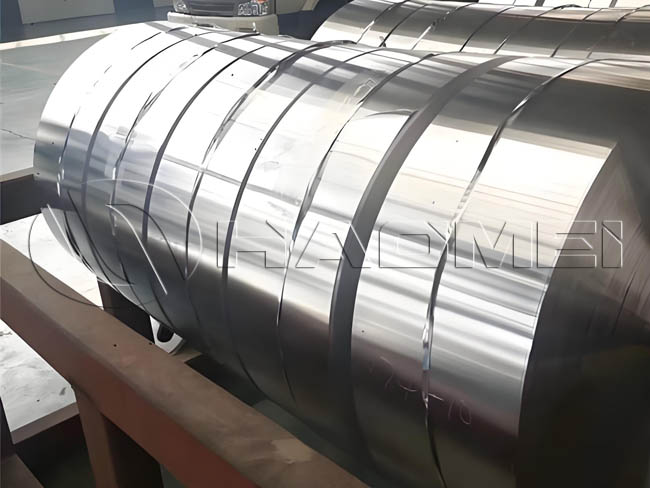
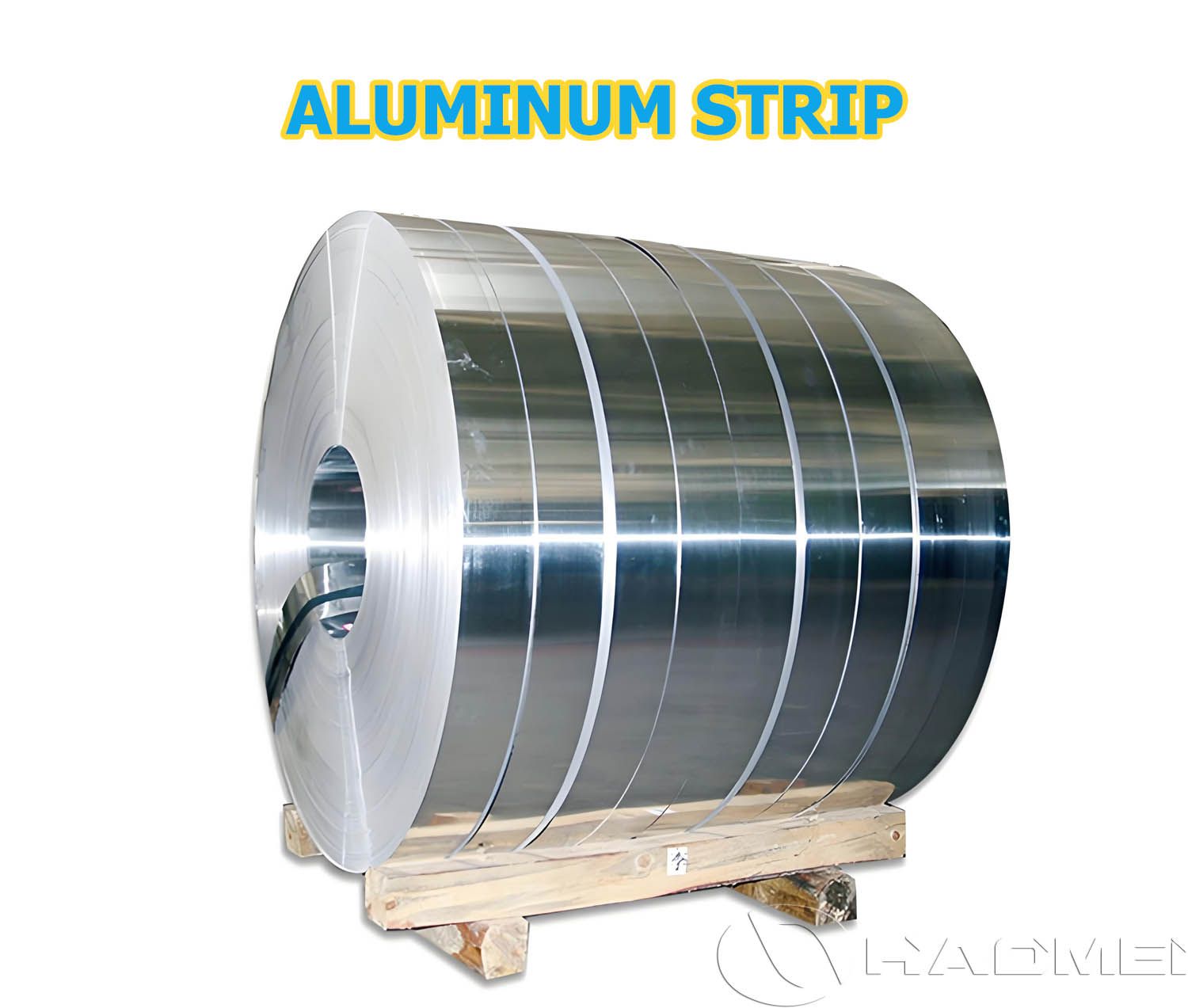
The aluminum strip is produced from high-purity electrolytic aluminum through continuous casting and rolling, precision slitting, edge rounding, and annealing processes. It is primarily used as conductive foil for transformer windings.
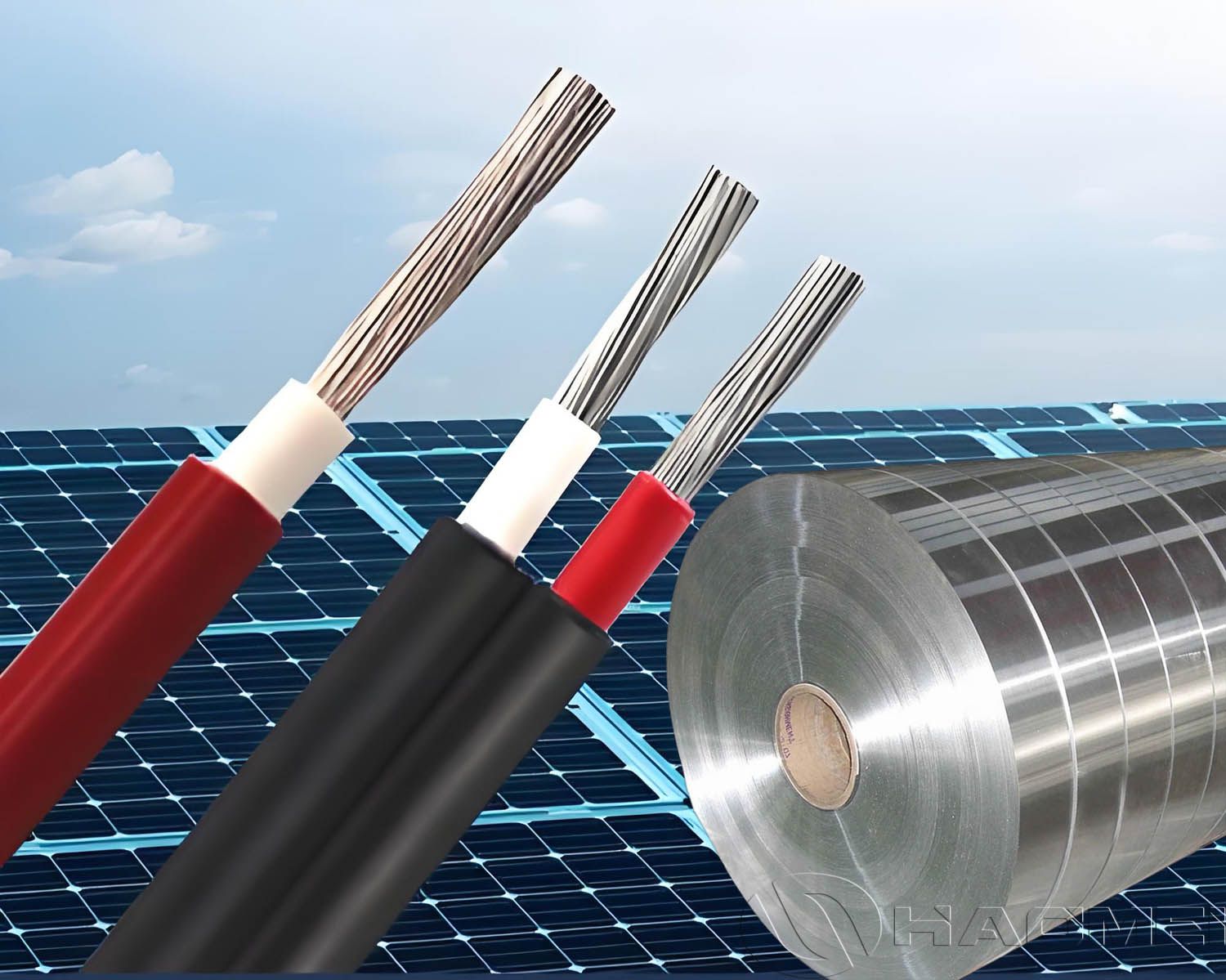
Compared with traditional copper windings, aluminum strip windings offer significant advantages such as lighter weight, lower cost, and better heat dissipation. Using TIG (argon arc) welding, reliable connections between winding terminals and lead-out bars are achieved, ensuring long-term stable operation of transformers.
This product strictly complies with YS/T 713-2009 "Aluminum Strip and Foil for Dry-Type Transformers". With aluminum content exceeding 99.6% and conductivity ≥61% IACS, it features a smooth surface, burr-free edges, and optional edge rounding-making it an ideal material for dry-type transformers, cast-resin transformers, and large power transformers.
Core Materials for Transformer Windings
Transformer windings require extremely high conductivity. Common aluminum grades include:
1050 / 1060 / 1070 Series:
Aluminum content ≥99.5%–99.7%, with conductivity ≥61% IACS, ensuring low resistance and minimal heat generation during operation.
1350 / 1350-O:
Specifically designed for electrical applications, with controlled impurity levels (Si, Fe) to optimize electrical performance and formability.
Key Temper:
O temper (fully annealed) is commonly used. It provides excellent elongation, enabling easy bending during winding and stable molten pool behavior during welding, effectively reducing post-weld thermal stress.
Specifications of Transformer Aluminum Strip
| Parameter | Standard Range / Typical Value |
|---|---|
| Alloy | 1060, 1070, 1050, 1350 |
| Temper | O (soft) |
| Thickness | 0.2mm – 3.0mm |
| Width | 20mm – 1650mm |
| Conductivity (20°C) | ≥61% IACS (1060) / ≥62.7% IACS (1070) |
| Resistivity | ≤0.0283 mm²/m |
| Density | 2.71 g/cm³ |
| Edge Treatment | Rounded / chamfered, burr-free |
| Inner Diameter | 150mm, 300mm, 400mm, 500mm |
| Outer Diameter | ≤1400mm |
Mechanical Properties
| Alloy | Temper | Tensile Strength (MPa) | Elongation (%) |
| 1060 | O | 60–95 | ≥25 |
| 1070 | O | 60–95 | ≥25 |
| 1050 | O | 60–95 | ≥25 |
| 1350 | O | 60–95 | ≥25 |
Thickness Tolerance
| Thickness Range (mm) | Tolerance (mm) |
| >0.4–0.8 | ±0.03 |
| >0.8–1.1 | ±0.04 |
| >1.1–1.4 | ±0.05 |
| >1.4–2.0 | ±0.06 |
| >2.0–2.5 | ±0.07 |
| >2.5–3.0 | ±0.08 |
Key Advantages of Aluminum Strip for Transformer Windings
High Conductivity: High-purity aluminum (≥99.6%) ensures conductivity ≥61% IACS, enabling stable current transmission with low loss.
Excellent Formability: O temper provides low tensile strength and high elongation (≥25%), ensuring easy winding and tight coil formation.
Precision Edge Processing: Rounded/chamfered edges with minimal burrs (≤0.03mm) prevent insulation damage and inter-turn short circuits.
Superior Surface Quality: Smooth, oil-free surface ensures excellent bonding with insulation materials and outstanding weldability.
Reliable Welding Performance: Stable composition enables dense, crack-free weld seams with high joint strength. TIG welding results in significantly lower contact resistance compared to bolted connections.
Cost Efficiency & Lightweight: Density is only about 30% of copper, significantly reducing weight and material cost.
Applications
1. Dry-Type Transformer Windings
Used as conductive foil for HV/LV windings, replacing traditional copper conductors. Offers compact size, lightweight structure, flame retardancy, low partial discharge, moisture resistance, low noise, and reduced maintenance cost.
2. Cast Resin Transformer Windings
Provides excellent compatibility with epoxy resin insulation, delivering superior performance in harsh environments such as hospitals, data centers, and chemical plants.
3. Oil-Immersed Transformer Windings
Used with insulating paper wrapping, offering stable chemical properties and excellent heat dissipation in transformer oil.
4. Reactors and Inductors
Applied in reactors and filter inductors, reducing active power loss due to low resistance.
5. Power Transmission & Renewable Energy
Widely used in large power transformers, photovoltaic inverter transformers, and wind power substations, meeting the demand for lightweight and high-efficiency power equipment.
Customer Feedback
After six months of mass application, the customer expressed high satisfaction with the aluminum strip solution. The product's excellent welding consistency and superior surface quality significantly improved compatibility with automated welding systems, increasing production efficiency by 15%-25% while reducing weld defect rates by over 30%.
In terms of performance, conductivity improved by approximately 5%, along with enhanced winding stability-fully meeting the customer's requirements for high-quality transformer manufacturing.
Additionally, the solution demonstrated outstanding cost advantages. Compared with traditional copper windings, material costs were reduced by 20%-35%, along with lower processing losses, significantly improving overall competitiveness. Due to its strong batch consistency, the product has been officially approved and adopted as a long-term core raw material by the customer.
Tags