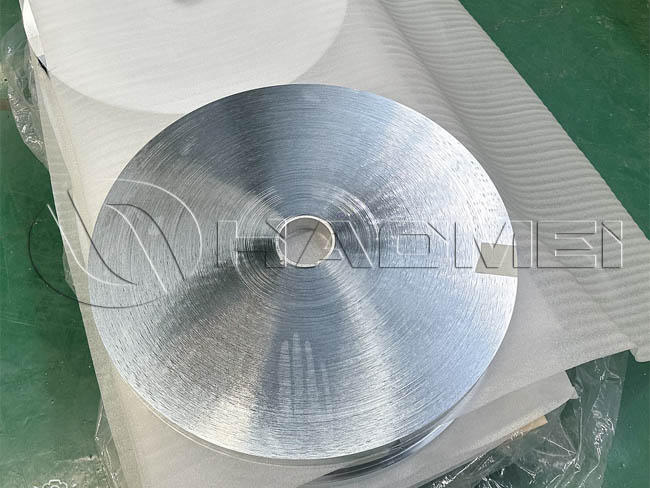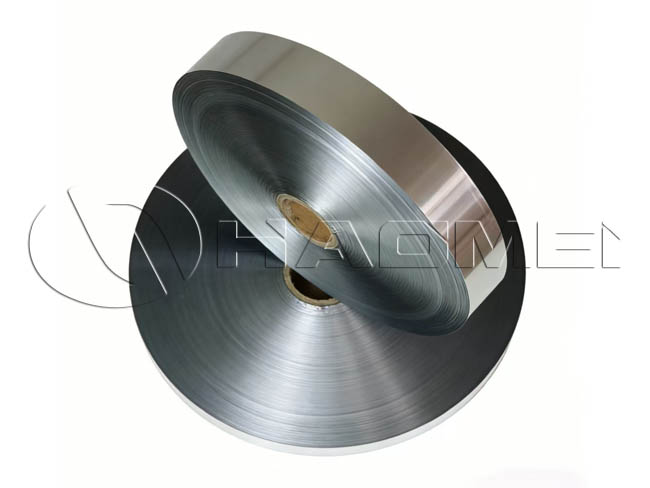
Submarine Cable
With the accelerated development of the global marine economy, offshore wind power construction, and island power grid interconnection, submarine cables-serving as the core carrier for cross-sea power transmission and communication links-are seeing continuously rising market demand. Submarine cables are laid underwater for long periods at depths of tens or even hundreds of meters, where they must withstand multiple threats such as seawater corrosion, tidal scouring, anchor damage, and marine biological erosion. This places extremely stringent requirements on the protective structure of the cable.
Product Introduction
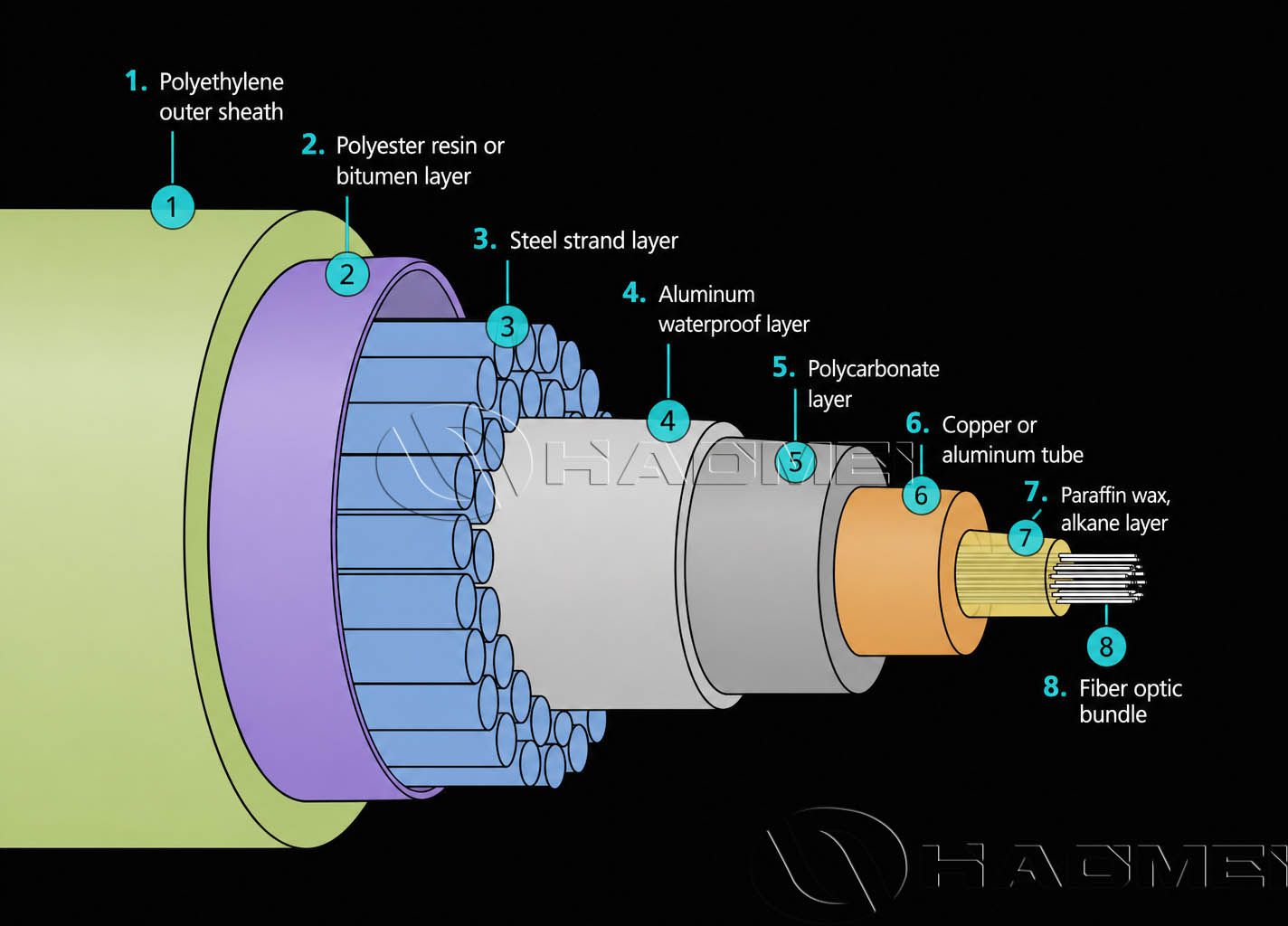
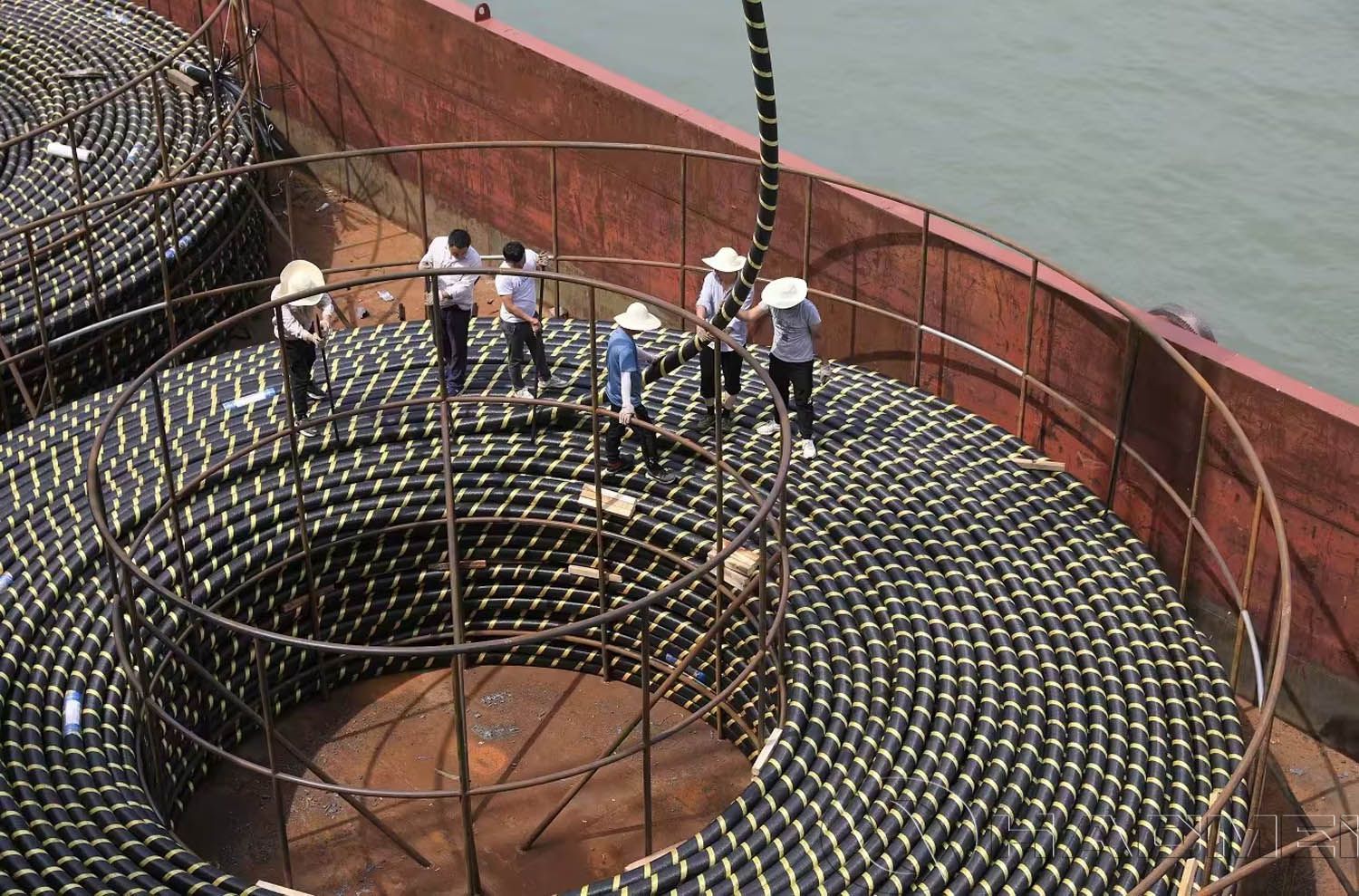
A submarine cable, or undersea cable, is a cable laid on the seabed. It is used to transmit power or signals underwater. Submarine cables are divided into submarine communication cables and submarine power cables. Modern submarine communication cables use optical fiber as the transmission medium for telephone and internet signals.
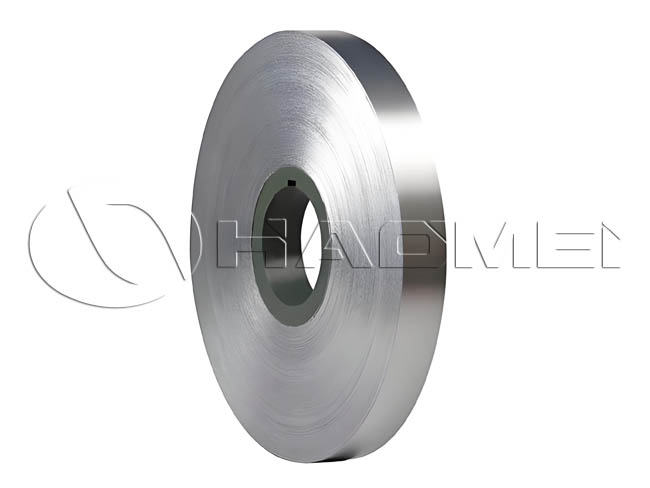
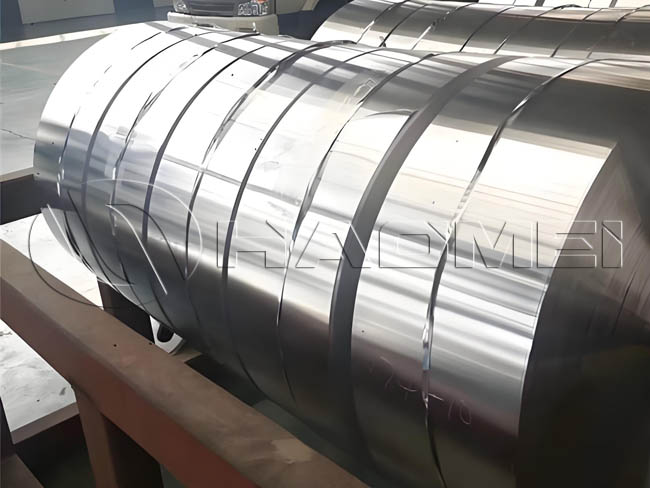
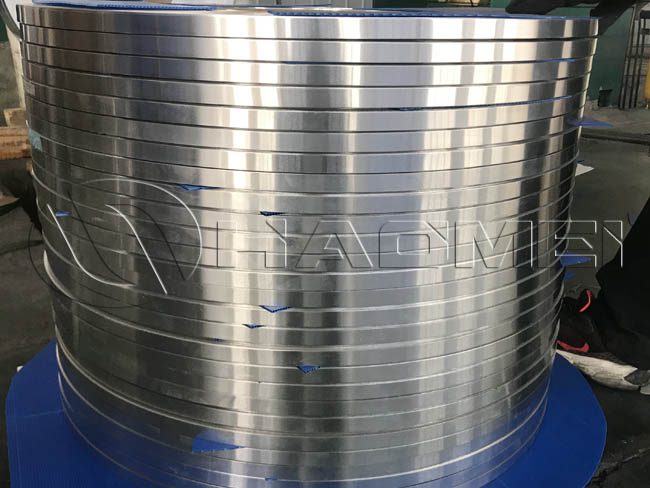
As the "exoskeleton" of a cable, the armoring layer directly determines its resistance to mechanical damage. By using high-strength aluminum alloy strip instead of traditional galvanized steel wire armoring, the unit weight of submarine cables can be reduced by 17% while maintaining the same level of mechanical protection, significantly reducing the load during laying and installation. As a non-magnetic material, aluminum strip can greatly reduce hysteresis loss and eddy current loss in the armor layer, improving the current-carrying capacity of the cable-an advantage that is especially important in AC power transmission systems.
Aluminum strip armoring is commonly used in shallow-sea, nearshore, and lake applications. Anti-rust aluminum strips such as 5052 and 5154 are helically wrapped around the outer layer of the cable and combined with a polypropylene fiber outer serving. Their main function is to provide mechanical protection, an anti-corrosion barrier, and structural support, ensuring stable cable operation under long-term seawater immersion, high pressure, and complex seabed conditions.
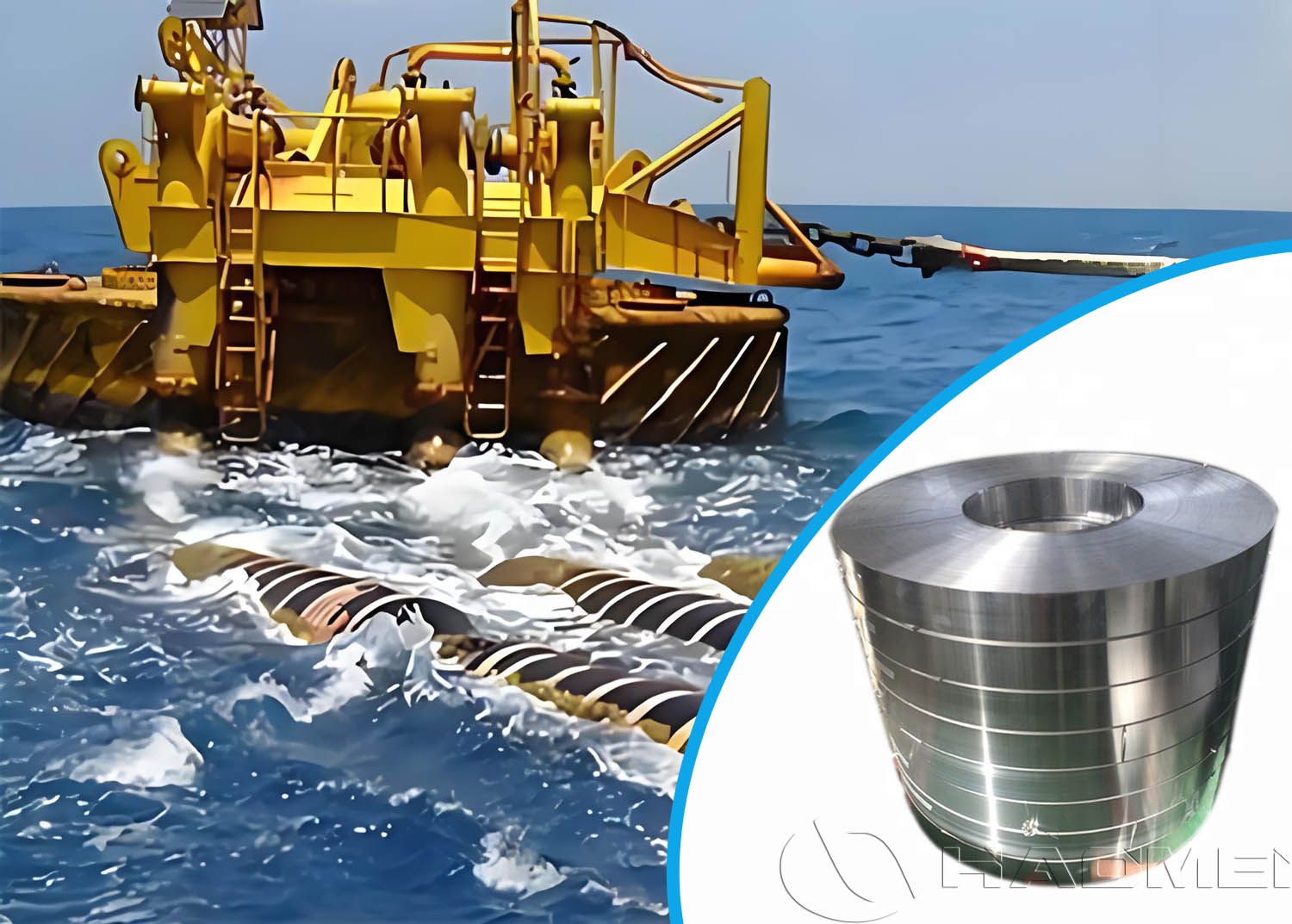
Core Functions of Aluminum Strip in Submarine Cables
1. Moisture Protection and Insulation Sealing
This is the most critical function. Submarine cables are exposed to high-pressure, high-salt seawater for long periods. Water ingress can severely damage the internal insulation layer, such as XLPE insulation. Aluminum strip offers excellent waterproof performance. When used as a longitudinal wrapping or helical wrapping layer, it effectively prevents seawater and water vapor from penetrating into the cable core structure, keeping the interior dry and extending cable service life.
2. Electromagnetic Shielding and Anti-Interference
Aluminum strip has good electrical conductivity and can effectively shield the internal cable signals from external electromagnetic interference while preventing signal leakage from the cable itself. This is essential for both power transmission cables, where voltage stability is required, and communication optical cables, where stable data transmission is critical.
3. Structural Protection
Aluminum strip has a certain level of strength and can provide physical protection for the cable core. During installation, such as cable laying or deep-sea deployment, it helps resist certain tensile forces and external impacts.
4. Corrosion Resistance
Aluminum has excellent chemical stability. When combined with plastic composite technology, such as aluminum-plastic composite tape, it provides strong resistance to salt spray corrosion.
5. Lightweight Armoring
Although aluminum strip is mainly used for moisture protection, its high strength-to-weight ratio also allows it to serve as a lightweight armoring material in cables that require reduced weight while maintaining a certain level of protective performance.
Aluminum Strip Specifications
| Alloy | 5052, 5154, 5154A |
| Temper | H14 / H16 / H24 |
| Thickness | 0.3 mm – 1.5 mm |
| Width | 20 mm – 1600 mm, slitting customization available |
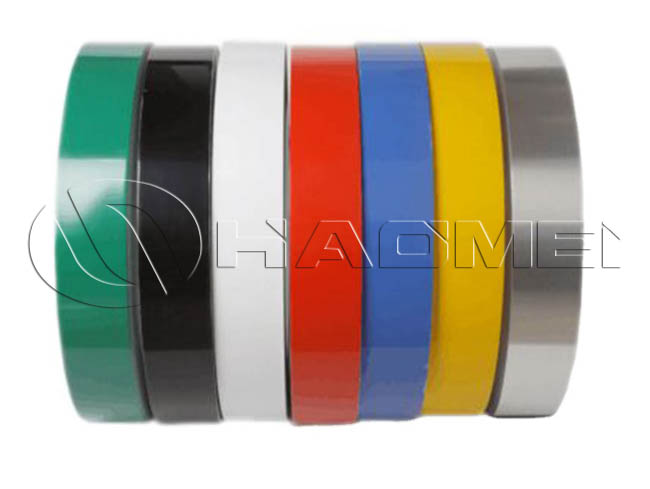
| Surface Treatment | Chemical passivation |
| Coating | PE / Epoxy / PVDF |
| Coil Weight | 200 kg – 3000 kg |
| Surface Quality | The surface should be smooth, free from oxidation, oil stains, scratches, and other defects to avoid potential corrosion risks caused by surface imperfections. |
| MOQ | 1–3 tons |
Applications of Submarine Cables
Submarine communication cables are mainly used in long-distance communication networks, typically for important applications such as communication between remote islands and cross-sea military facilities.
Compared with submarine communication cables, submarine power cables are generally laid over shorter distances. They are mainly used for land-to-island power supply, river or harbor crossings, connections between land and drilling platforms, or interconnections between offshore platforms.
Single-core submarine cables are commonly used for high-capacity transmission lines connecting large inhabited islands or crossing rivers and straits. Three-core submarine cables are commonly used for small island power supply and offshore wind turbine connections.
Key Technical Requirements
Surface Quality
The surface of aluminum strip for submarine cables must be smooth, scratch-free, and burr-free to prevent puncturing of the overlap layer or insulation layer during longitudinal wrapping.
Dimensional Accuracy
Thickness tolerance should be ±0.005 mm to ensure uniform overlap and reliable sealing during longitudinal wrapping of aluminum-plastic composite tape.
Corrosion Resistance
5xxx series anti-rust aluminum alloys, such as 5052 and 5154, are recommended for armor layers that come into direct contact with seawater. The Mg element enhances resistance to seawater corrosion.
Conductivity Requirement
For aluminum strip used as a shielding layer, the conductivity should be ≥61% IACS to ensure electromagnetic shielding effectiveness.
Comparison with Traditional Materials
| Item | Aluminum Strip | Galvanized Steel Strip |
| Weight | Lightweight | Heavy |
| Corrosion Resistance | Excellent | Prone to corrosion |
| Service Life | Long | Relatively short |
| Installation Difficulty | Low | High |
| Overall Cost | More cost-effective | Higher, especially due to maintenance costs |
HAOMEI Aluminum, as a professional aluminum strip manufacturer, supplies 5052, 5154, 5154A and other aluminum alloy strips. With advantages such as lightweight design, corrosion resistance, excellent electrical performance, and environmental friendliness, our products are widely used in cables as an alternative to traditional materials.
Our products are exported to more than 40 countries and regions worldwide. We can handle large orders from 3 to 2000 tons, provide samples for testing, and offer direct factory sales with competitive prices. Please feel free to contact us at any time.
Tags