 Contact Us
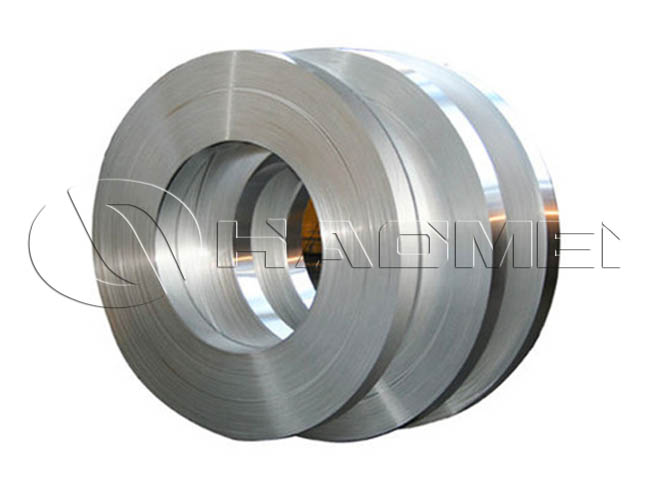
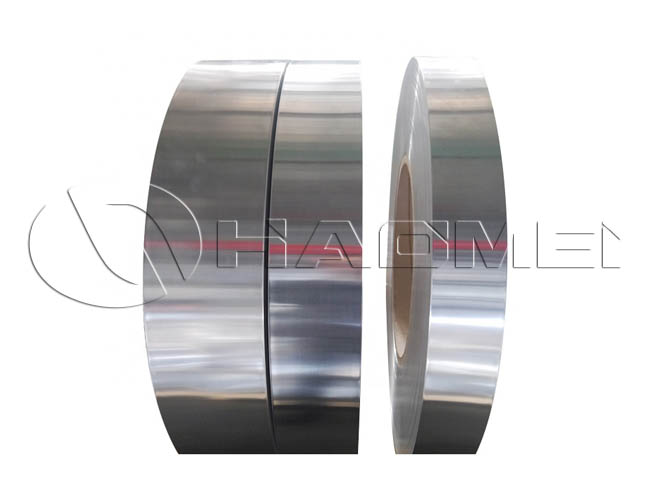
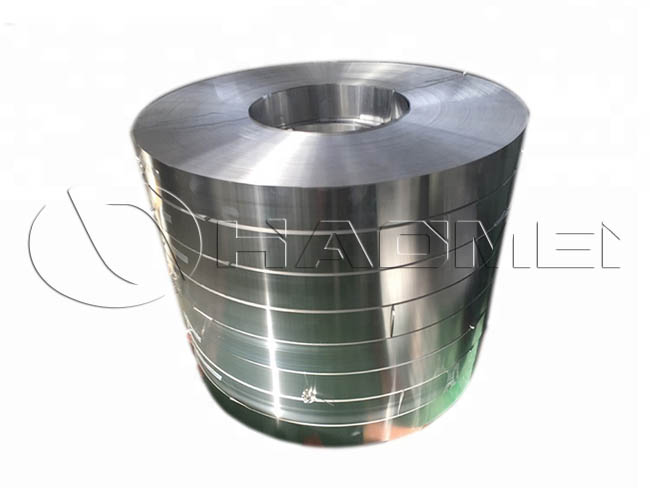
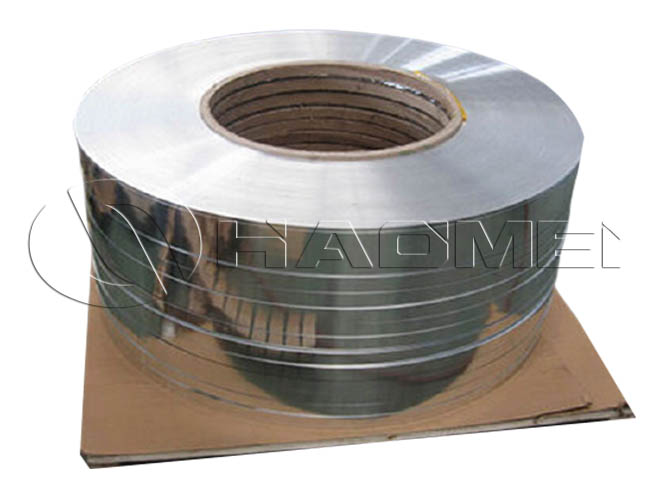
Transformer aluminum strip is a key raw material for manufacturing transformer windings. It is mainly produced from aluminum ingots through rolling processes and is widely used in high- and low-voltage windings of dry-type transformers and power transmission equipment.
Commonly used grades include 1050, 1060, 1070, 1350, etc. The aluminum content is usually above 99.6%, complying with national standards such as GB/T 3190-1996. The typical specification range is 0.2–3.0 mm in thickness and up to 1650 mm in width. Due to its lower cost compared with copper, aluminum strip is widely used in industrial applications.
In recent years, 1060-O temper transformer aluminum strip has become a popular material in the manufacturing of dry-type transformers, oil-immersed transformers, and reactors, thanks to its excellent electrical conductivity, high cost performance, and outstanding processing properties. Below, we will explore the core advantages of 1060-O aluminum strip.
Product Introduction
1060 aluminum strip belongs to the 1000 series pure aluminum, with an aluminum content of not less than 99.6%. In power transmission, the fewer the impurities, the lower the resistance to electron flow.
Compared with other series, 1060 alloy retains the natural conductivity of aluminum to the greatest extent, keeping its conductivity stable at above 61% IACS. This high purity not only ensures extremely low resistance loss, but also gives the material excellent welding performance, making it suitable for the connection requirements between transformer leads and busbars.
Why Choose O Temper for Aluminum Transformer Strip?
In the temper designation of 1060 aluminum strip, "O" stands for annealed soft temper.
During production, aluminum strip undergoes cold rolling, which causes work hardening and makes the material harder and more difficult to bend. If hard-temper aluminum strip is directly used for coil winding, it will generate strong springback force, which may easily damage the insulation layer or even cause loosening of the winding.
Through full annealing, the internal grains of the aluminum strip are rearranged, restoring the material to its softest and most ductile state. O temper aluminum strip is soft, easy to stretch, bend, and wind. It can closely fit the mold, ensure winding compactness and slot fill factor, while eliminating internal stress and preventing deformation during long-term operation.
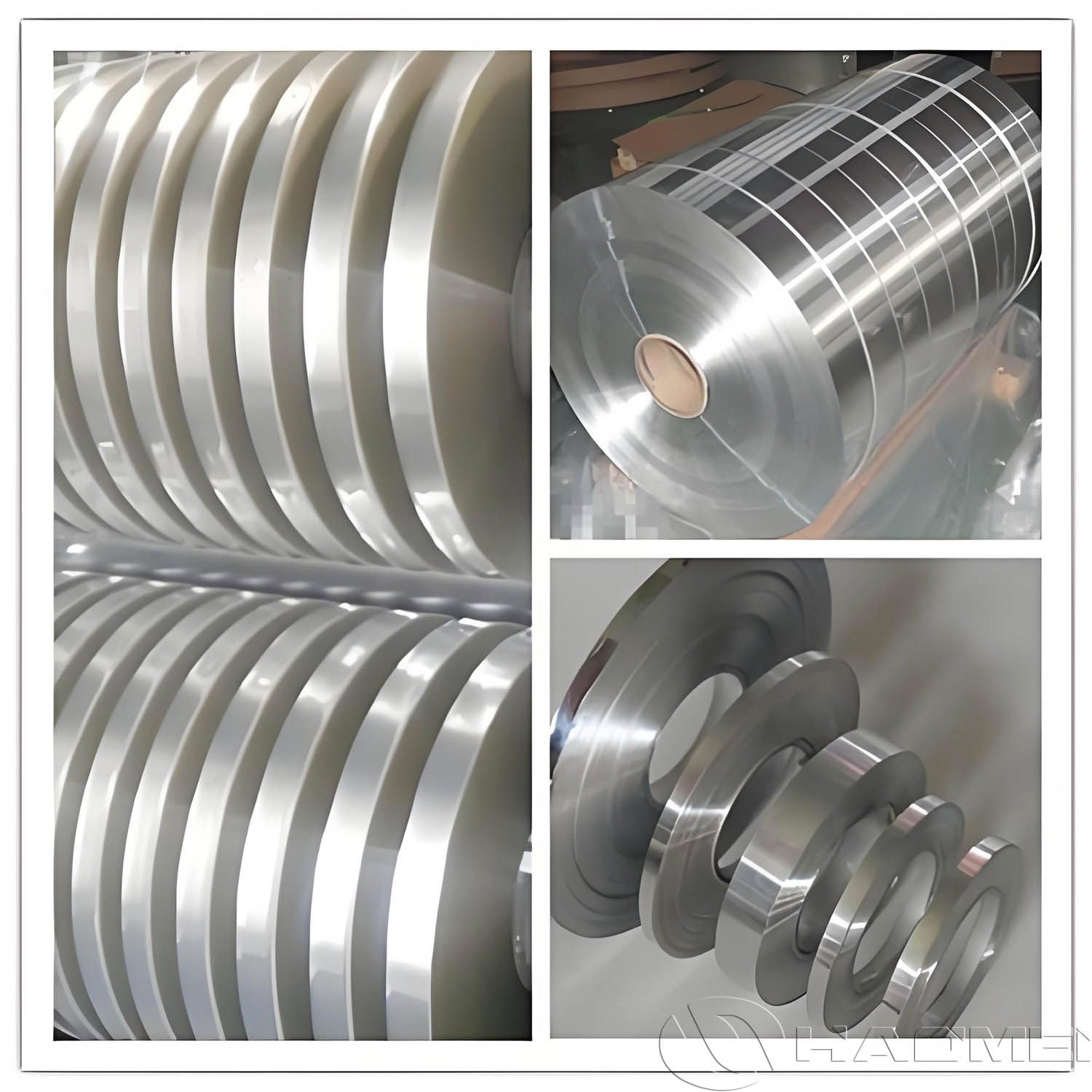
Material Characteristics of 1060 O Aluminum Strip
1060 belongs to the industrial pure aluminum series, with an aluminum content of ≥99.6% and low impurity content. It offers the following key advantages:
1. Excellent Electrical Conductivity
The conductivity of 1060 aluminum strip can reach above 61% IACS, close to electrical-grade aluminum standards. It can effectively reduce winding resistance loss and improve transformer operating efficiency.
2. Excellent Ductility and Flexibility
O temper, also known as annealed temper, has the lowest hardness and highest plasticity. Its elongation is usually ≥30%, making it very suitable for repeated bending and forming during winding, without cracking easily.
3. Good Surface Quality
High-quality rolling and annealing processes can achieve a surface free from oil stains, scratches, and oxidation spots, ensuring uniform bonding of the winding insulation layer.
4. Stable Chemical Properties
Aluminum itself has good oxidation resistance and is not easily corroded in conventional environments, improving the long-term operational stability of transformers.
5. Corrosion Resistance and Long Service Life
1060 aluminum naturally forms a corrosion-resistant protective layer. In complex industrial or outdoor environments, its chemical stability can help ensure the safe operation of transformers for decades.
Specifications of 1060 O Aluminum Strip for Transformer Winding
| Item | Parameter Range |
| Alloy / Temper | 1060 / O |
| Aluminum Content | ≥99.6% |
| Thickness | 0.2–3.0 mm |
| Width | 10–1600 mm, custom slitting available |
| Length | 100–16000 mm |
| Inner Diameter, ID | 76 mm / 152 mm |
| Outer Diameter, OD | ≤1000 mm |
| Conductivity | ≥61% IACS |
| Surface Condition | Bright, oil-free, scratch-free |
| Edge Treatment | Burr-free, rounded edge / trimmed edge |
| Burr Height | ≤0.03 mm for thin strip |
| Application | Dry-type transformers, oil-immersed transformers, etc. |
| MOQ | 1–3 tons |
Physical Properties
| Property | Value |
| Electrical Resistivity, Ω·mm²/m | 0.027–0.029 |
| Conductivity, % | 61–62 |
| Density, g/cm³ | 2.70 |
| Tensile Strength, MPa | 60-80 |
| Elongation, % | 12-18 |
| Hardness, HB | 20–30 |
What Is Cut-to-Length Slitting?
Cut-to-length slitting refers to the process of cutting and separating continuous aluminum strip according to preset dimensions, including width and length, on a longitudinal slitting production line. This process directly determines the dimensional accuracy, surface quality, and reliability of the final product during subsequent assembly.
Production Process of Cut-to-Length Slitting
Raw material receiving → Material inspection → Size design → Programming preparation → Cutting operation → Inspection and sorting → Packaging and delivery
Technical Requirements for Cut-to-Length Slitting
| Requirement | Description |
| Dimensional Accuracy | Usually requires ±0.02 mm for width and ±0.05 mm for length |
| Burr Control | Burr height is controlled between 0.01 mm and 0.05 mm |
| Chamfering and Rounded Edge Process | The aluminum strip edge can be chamfered or rounded to remove microscopic burrs and optimize electric field distribution |
| Camber and Telescoping Control | Precision slitting machines can effectively control camber and ensure neat, tight rewinding |
| Material Utilization | Cutting paths, such as serpentine cutting, can be optimized to improve material utilization and reduce scrap rate |
| Surface Damage Control | A smooth surface without scratches or impurities is a basic requirement |
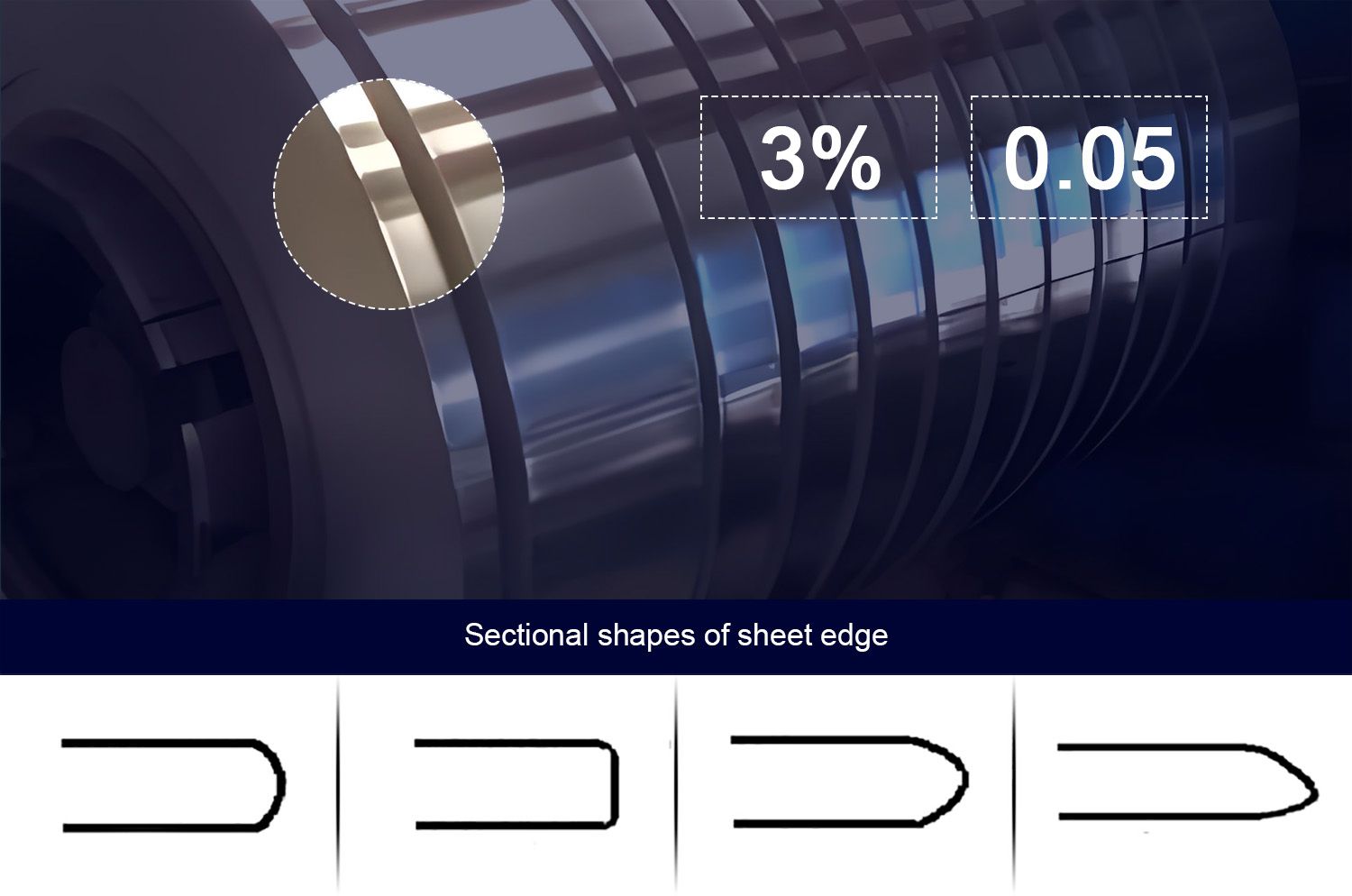
Advantages of Cut-to-Length Slitting for Transformer Winding Aluminum Strip
1. Improved Production Efficiency
Customers can use the material directly on their equipment, reducing secondary processing steps and shortening the production cycle.
2. Higher Dimensional Accuracy
The slitting width tolerance can be controlled within ±0.02 mm, meeting the strict requirements of high-end transformers for winding dimensional consistency.
3. Excellent Edge Quality
High-precision slitting equipment ensures smooth, burr-free edges, preventing damage to the insulation layer during winding.
4. Improved Material Utilization
A well-designed slitting layout reduces edge scrap and lowers overall costs.
Applications of Transformer Aluminum Strip
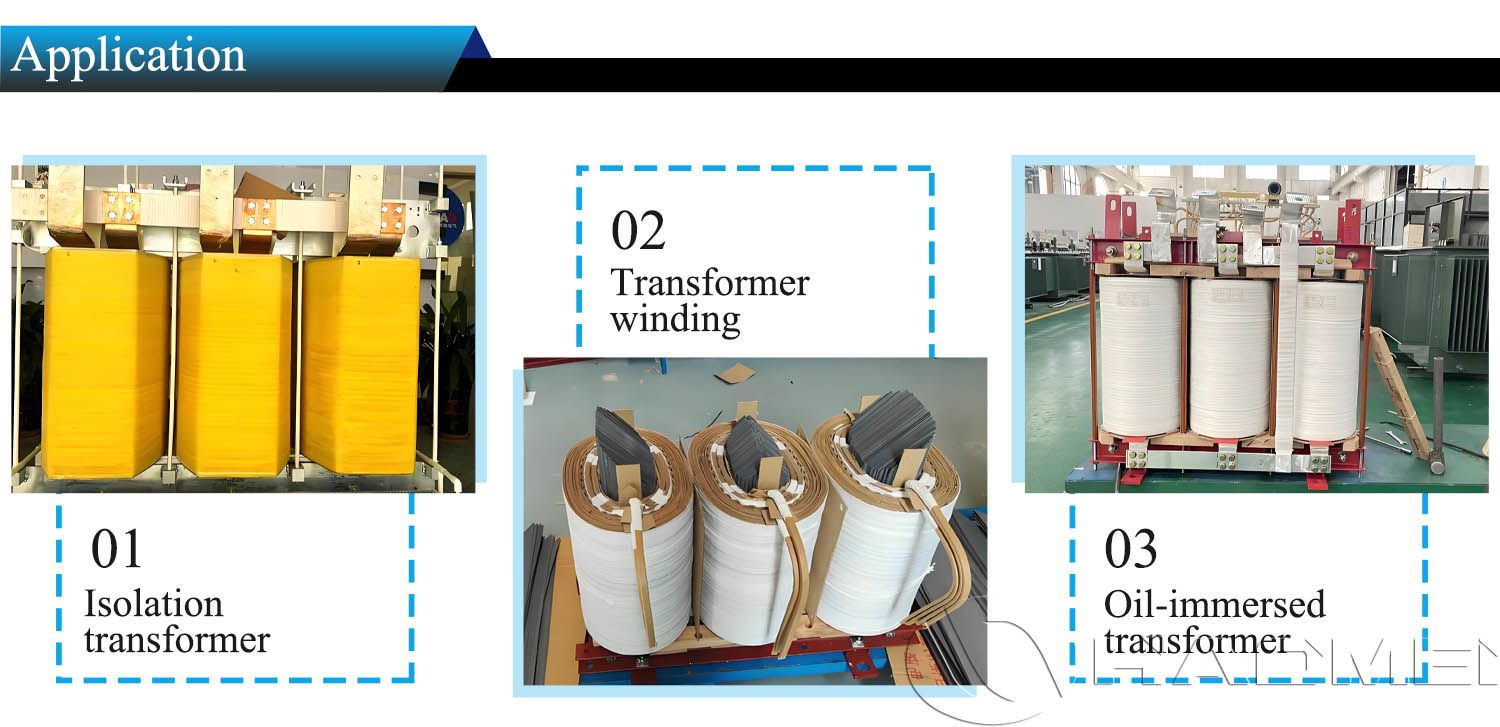
1. Dry-Type Transformer Windings
1060 O temper aluminum strip has high flexibility and is suitable for foil-type winding structures, especially for large-capacity dry-type transformers.
2. Oil-Immersed Transformers
In medium- and low-voltage windings, aluminum strip is gradually replacing part of copper materials due to its cost advantage.
3. Reactors and Inductive Equipment
These applications require high conductivity and good formability, and 1060 aluminum strip provides stable performance.
4. New Energy Power Systems
For supporting transformers in photovoltaic and wind power systems, higher material consistency and reliability are required. Cut-to-length slitting offers obvious advantages in these applications.
Why Choose 1060 O Aluminum Strip Instead of Copper Strip?
Against the background of fluctuating raw material costs, the trend of replacing copper with aluminum is becoming increasingly obvious.
Cost reduction of approximately 30%–50%
Lighter weight, making transportation and installation easier
Under proper design, electrical performance can meet the requirements of most applications
Especially in the field of medium- and low-voltage transformers, 1060 aluminum strip has become a mature and reliable solution.