 Contact Us
In the manufacturing of dry-type and oil-immersed transformers, the winding is the core component for energy conversion. Aluminum strip, as a key conductive material for windings, plays an essential role. However, its edge condition is often overlooked, even though it directly affects insulation safety, operational stability, and service life.
Compared with conventional slit-edge aluminum strip with sharp edges, rounded-edge aluminum strip is gradually becoming the standard choice for high-end transformer windings. So why is this "edge optimization" so important?
What Is Transformer Aluminum Strip?
Before discussing "rounded edges," let's first understand what transformer aluminum strip is.
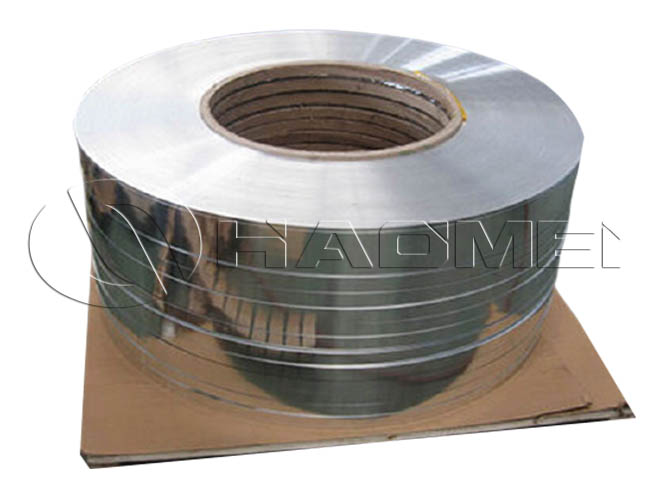
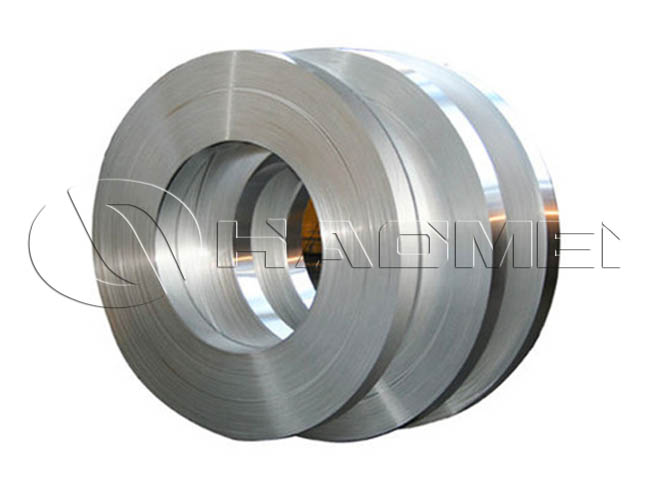
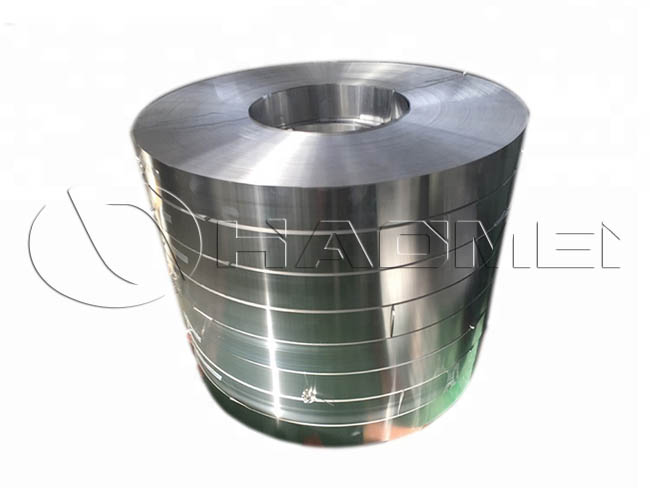
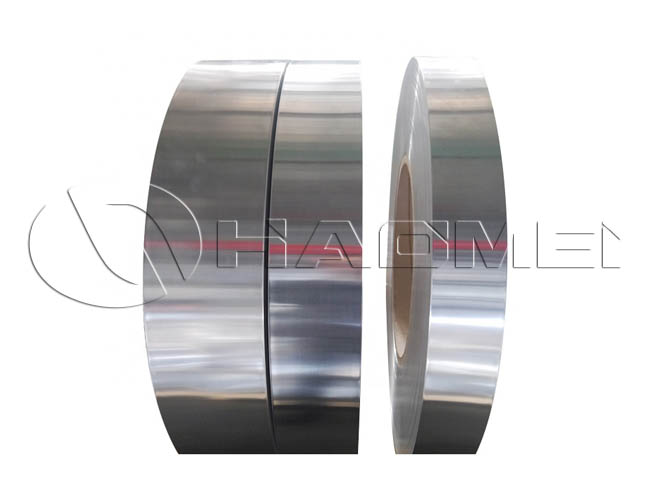
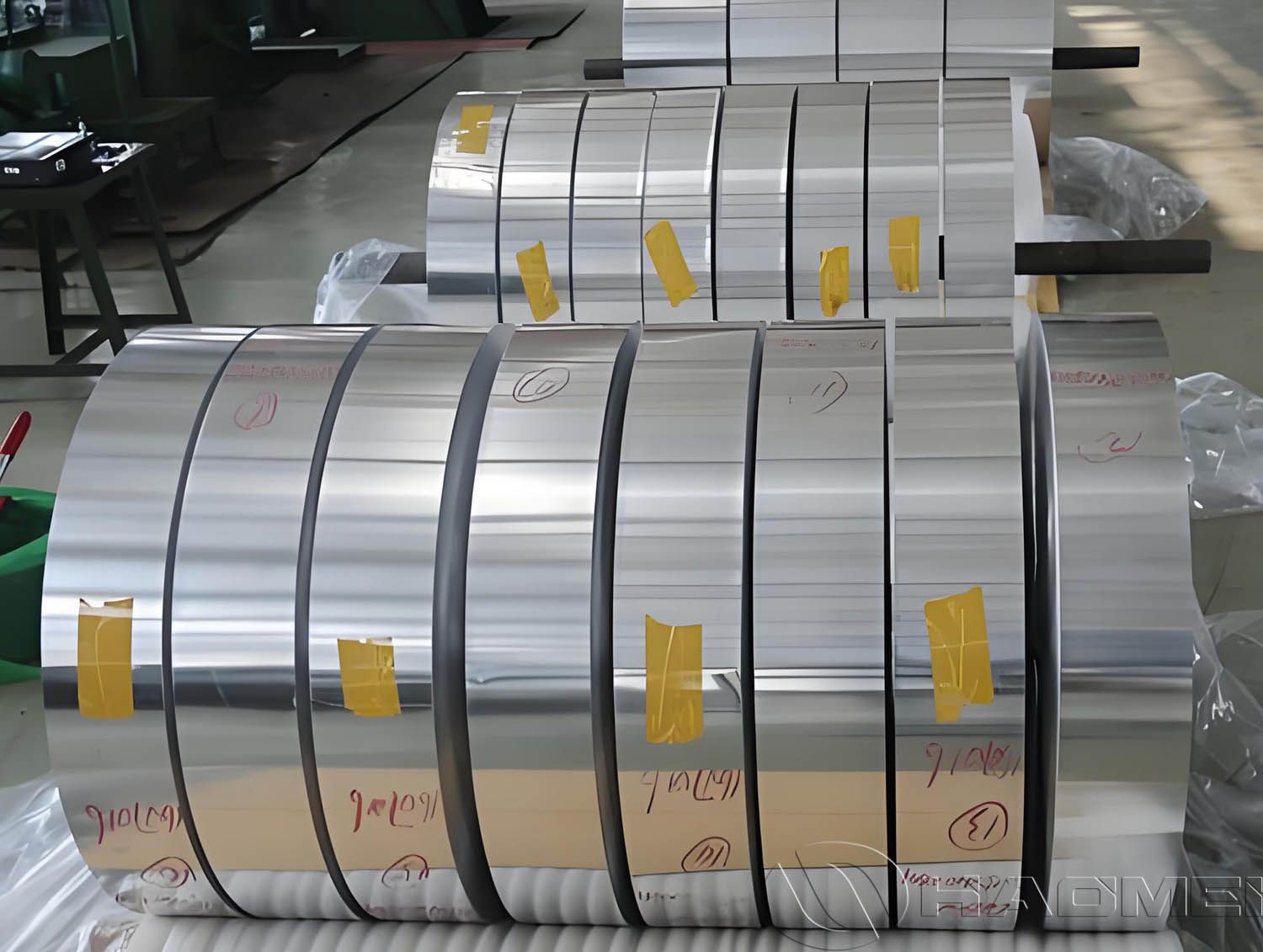
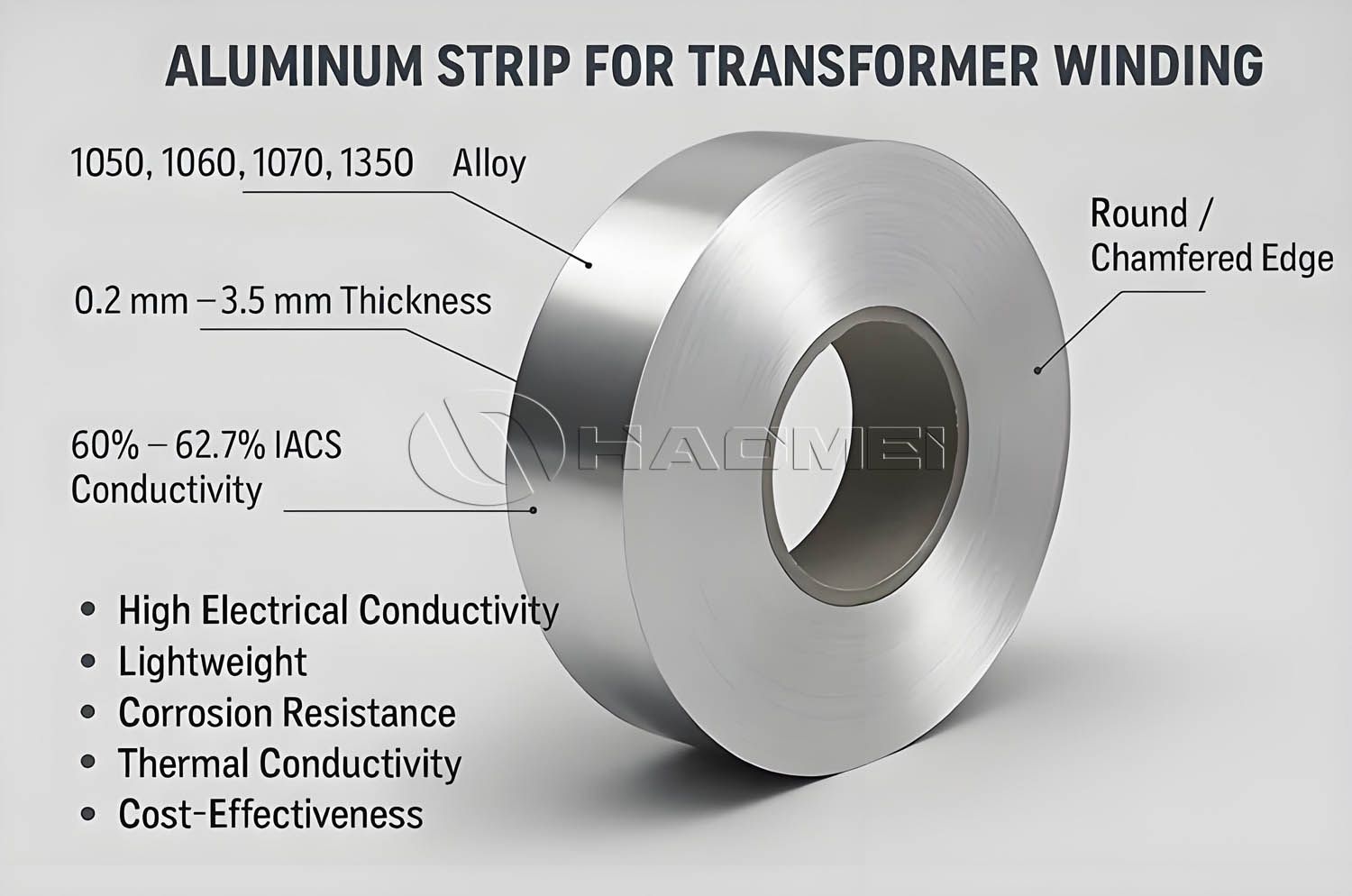
Transformer aluminum strip is a high-purity aluminum material specially used for manufacturing transformer windings, also known as coils. It is usually supplied in coil form and is made from electrical-grade pure aluminum, such as 1060 and 1050 aluminum, through rolling and slitting processes. Its thickness generally ranges from 0.2 mm to 3 mm, while the width can vary from a few millimeters to more than one meter depending on transformer specifications.
As the core conductor of transformer windings, transformer aluminum strip has two main functions: conducting current and transmitting electromagnetic energy. It offers several advantages, including low density, low cost, and abundant availability. Aluminum has only about 30% of the density of copper. Although aluminum requires a larger cross-sectional area than copper for the same current-carrying capacity, its lighter weight can make large-capacity transformers with aluminum windings lighter and more cost-effective.
Product Specifications
| Item | Specification |
| Alloy | 1060, 1070, 1050, 1350 |
| Temper | O |
| Aluminum Content | ≥ 99.6% |
| Thickness Range | 0.2 mm – 3.5 mm |
| Width Range | 10 mm – 1500 mm |
| Length Range | 100 mm – 16000 mm |
| Inner Diameter | 300 / 400 / 500 mm |
| Electrical Conductivity | ≥ 61% IACS |
| Density | 2.703 g/cm³ at 20℃ |
| Electrical Resistivity | ≤ 0.02825 Ω·mm²/m |
| Main Applications | Dry-type transformers, oil-immersed transformers, reactors, instrument transformers |
| MOQ | 1-3 tons |
What Types of Edge Finishing Are Used for Transformer Winding Aluminum Strip?
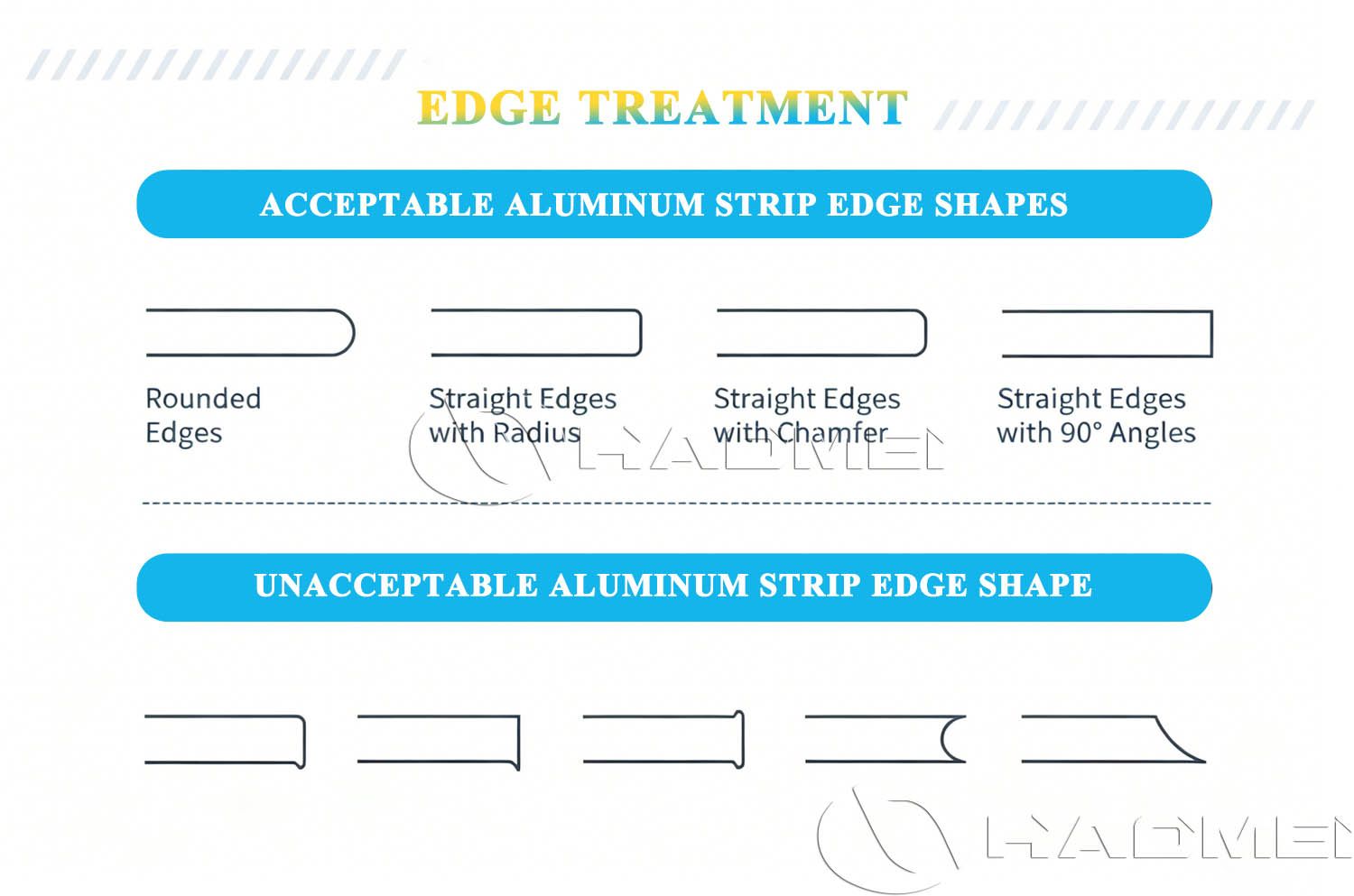
1. Rounded-Edge Aluminum Strip
The two edges of the aluminum strip are processed into a smooth arc shape, eliminating sharp corners.
This is one of the most commonly used and recommended edge-finishing methods for transformer windings. It effectively prevents damage to interlayer insulation materials.
2. Chamfered Aluminum Strip
The edges of the aluminum strip are processed into a bevel at a certain angle to remove sharp right-angle corners.
Compared with ordinary straight-edge aluminum strip, chamfered edges are safer, but they are usually not as smooth as fully rounded edges.
3. Deburred Aluminum Strip
Mechanical or process treatment is used to remove burrs and fins generated after slitting.
This method mainly solves the burr problem, but the edge shape may still remain close to a right angle. Therefore, it may not be the best option for windings with high insulation requirements.
4. Polished-Edge Aluminum Strip
The edges of the aluminum strip are polished to make them smoother and reduce surface roughness.
It is suitable for transformer windings that require better protection of insulation materials.
5. Covered or Insulated-Edge Aluminum Strip
Insulating materials such as insulation paper, film, or coating are added to the edges of the aluminum strip.
This method can further improve edge insulation protection, but the cost and processing complexity are relatively higher.
6. Ordinary Slit-Edge Aluminum Strip
This type of aluminum strip is used directly after the aluminum coil is slit. The edges may contain burrs or sharp corners.
Although this type of aluminum strip has a lower cost, poor edge quality can easily scratch the insulation layer. Therefore, it is not suitable for high-reliability transformer windings.
What Is Rounded-Edge Aluminum Strip?
Rounded-edge aluminum strip refers to aluminum strip whose edges are chamfered or rounded during the slitting or finishing process using specialized equipment. The sharp edges are transformed into a smooth transition with a rounded-corner structure.
Burr Height Requirements for Rounded-Edge Aluminum Strip
In general, rounded-edge transformer aluminum strip should meet the following requirements:
| Item | Common Requirement |
| Burr Height | ≤ 0.01–0.02 mm |
| High-Requirement Products | ≤ 0.01 mm |
| Edge Condition | Smooth, no sharp corners, no obvious burrs |
| Surface Requirement | No edge cracks, edge waves, dents, or scratches |
For high-reliability transformer winding aluminum strip, it is recommended to control burr height at:
Burr height ≤ 0.01 mm
Or specify:
No visible burrs on the edge; smooth to the touch; must not scratch insulation materials.
Why Is Rounded-Edge Aluminum Strip So Important for Transformer Windings?
1. Eliminates Point Discharge and Improves Insulation Safety
The right-angle edge of ordinary aluminum strip can cause a point discharge effect, also known as electric field distortion. During long-term operation, this may erode the insulation layer and increase the risk of short circuit or burnout.
Rounded-edge aluminum strip forms a smooth arc, or R-corner, through grinding or edge-finishing processes. This allows a more uniform electric field distribution and significantly improves the voltage resistance and insulation reliability of transformers.
2. Protects the Insulation Layer and Prevents Physical Damage
Insulating films used in transformer windings, such as polyester film, are not highly resistant to abrasion.
Sharp-edged aluminum strip can act like a blade, easily cutting or scratching the insulation layer and creating potential breakdown risks. Smooth rounded edges reduce friction and help maintain the integrity of the insulation structure.
3. Improves Production Efficiency and Finished Product Yield
Ordinary sharp-edged aluminum strip is more likely to have burrs, wavy edges, or uneven edges, which can cause strip breakage, deviation, or frequent machine stoppages during winding.
Rounded-edge aluminum strip has smooth, burr-free edges and low lateral bending, allowing it to pass smoothly through winding machines. This improves winding speed and reduces the scrap rate.
How Is a Perfect Rounded Edge Produced?
Not every aluminum strip can be called a true rounded-edge aluminum strip. To meet transformer winding requirements, precise slitting and edge-rounding / chamfering processes are required.
During production, the aluminum coil is first slit into the required width using a slitting machine. At this stage, the cut edges are usually still straight and may contain burrs. Then, specialized edge-grinding or chamfering equipment is used to grind both edges of the aluminum strip, remove burrs, and form a fixed round radius.
Only after this finishing process can the aluminum strip truly meet the strict requirements of transformer windings.
Applications
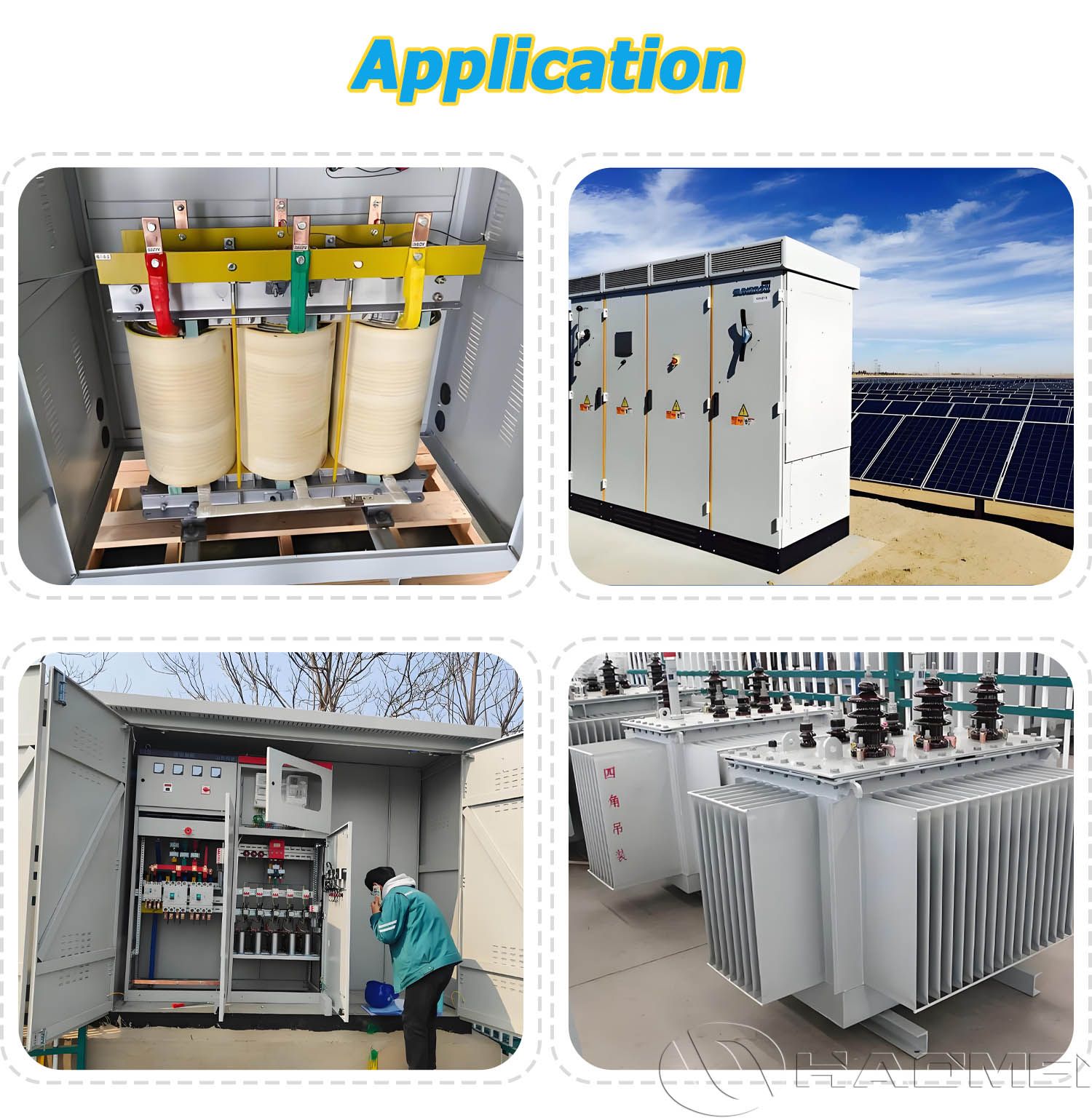
Transformer aluminum strip is widely used in:
Dry-type transformers
Oil-immersed transformers, especially some medium- and low-voltage units
Photovoltaic and wind power step-up transformers
Distribution transformers
Reactors and inductive equipment
With the development of the new energy industry, demand for transformer aluminum strip continues to grow.
FAQ
Q: What alloys are commonly used for transformer aluminum strip?
A: The main alloys include 1050, 1060, 1070, and 1350 aluminum. Among them, 1350 is an internationally recognized electrical-grade aluminum alloy with better conductivity and is widely used in high-demand winding applications.
Q: Why is aluminum strip often used for transformer windings instead of copper strip?
A: Aluminum strip offers advantages such as light weight, lower cost, and good processability. By properly designing the conductor cross-section, aluminum strip can meet electrical performance requirements while reducing overall cost. It is especially suitable for dry-type transformers and medium- and low-voltage equipment.
Q: How is rounded-edge aluminum strip processed?
A: It is mainly processed using a specialized deburring and edging machine. After the aluminum strip is slit, a set of precision molds or cutting tools physically trims and rounds the edges to achieve the required radius. The R-corner is usually determined according to the strip thickness.
Q: What are the advantages of rounded-edge aluminum strip compared with copper strip?
A: The biggest advantages of aluminum strip are its light weight, only about one-third the density of copper, and high cost performance. In dry-type transformers and distribution transformers, rounded-edge aluminum strip can greatly reduce manufacturing costs. By increasing the conductor cross-section, its electrical performance can fully meet the requirements of transformer windings.
Q: Is there a specific industry standard for burr height?
A: High-quality electrical aluminum strip generally requires the burr height to be less than 1% of the strip thickness, or even close to zero. Rounded-edge processing is one of the most effective solutions for eliminating burr problems.