 Contact Us
In the manufacturing and design of dry-type transformers, oil-immersed transformers, and various special transformers, the coil winding serves as the core "heart" responsible for electrical energy transmission. The selection of winding materials and the quality of processing directly affect the transformer's electrical performance, heat dissipation efficiency, insulation life, and operational safety.
In recent years, as aluminum-for-copper substitution technology has become increasingly mature and the demand for lightweight, cost-optimized, and highly reliable power equipment continues to grow, rounded edge aluminum strip, also known as round-edge or deburred aluminum strip has become an indispensable conductive material in transformer winding production.
What Is Rounded Edge Aluminum Strip?
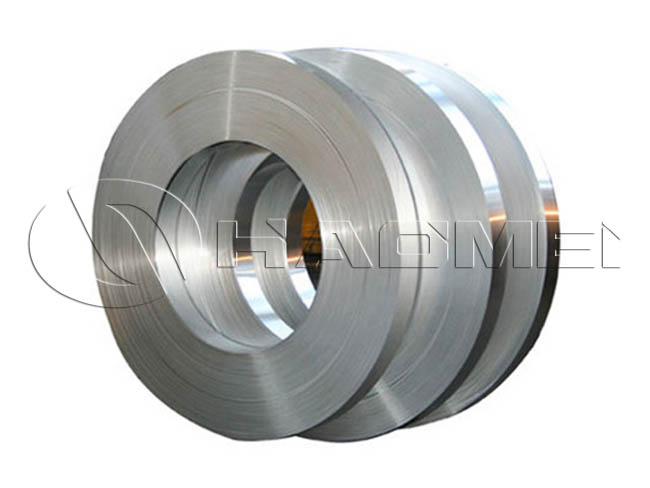
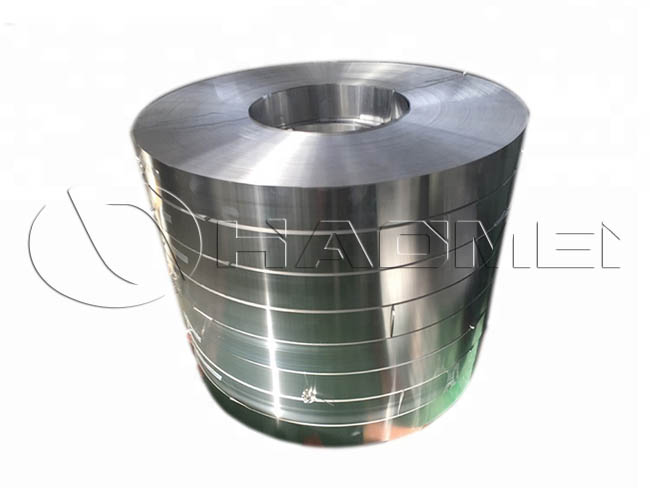
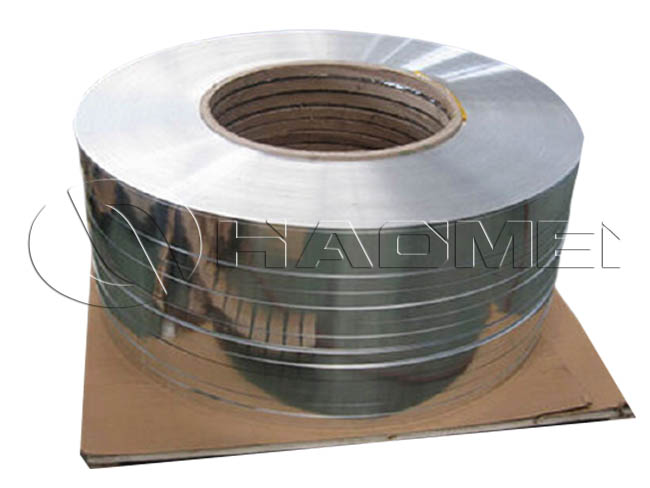
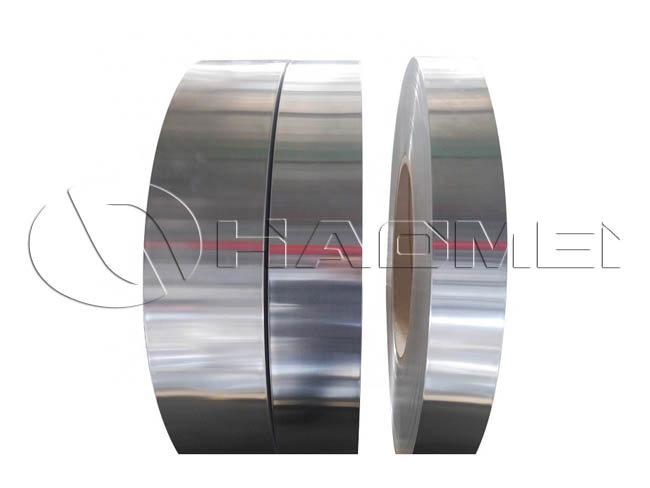
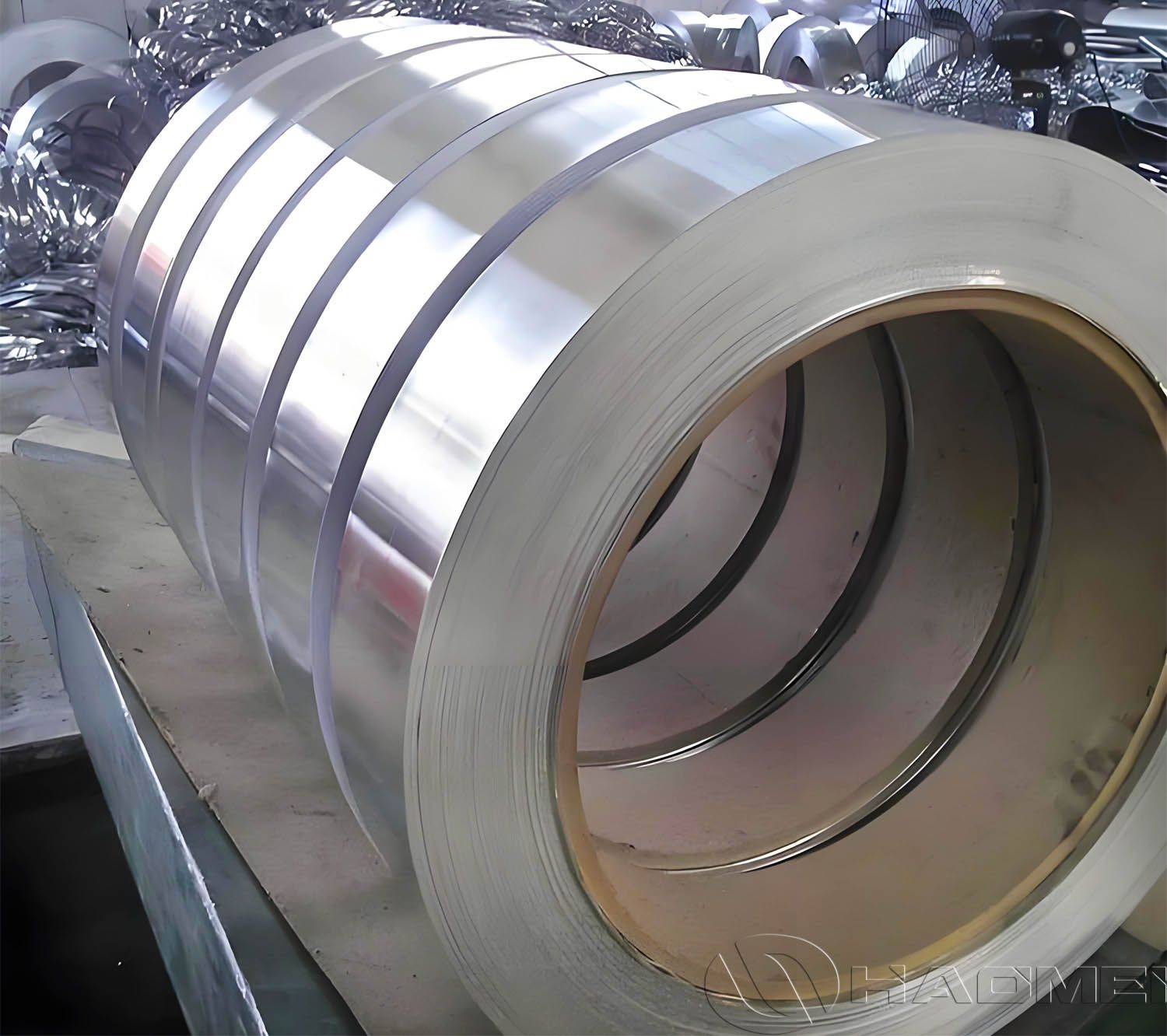
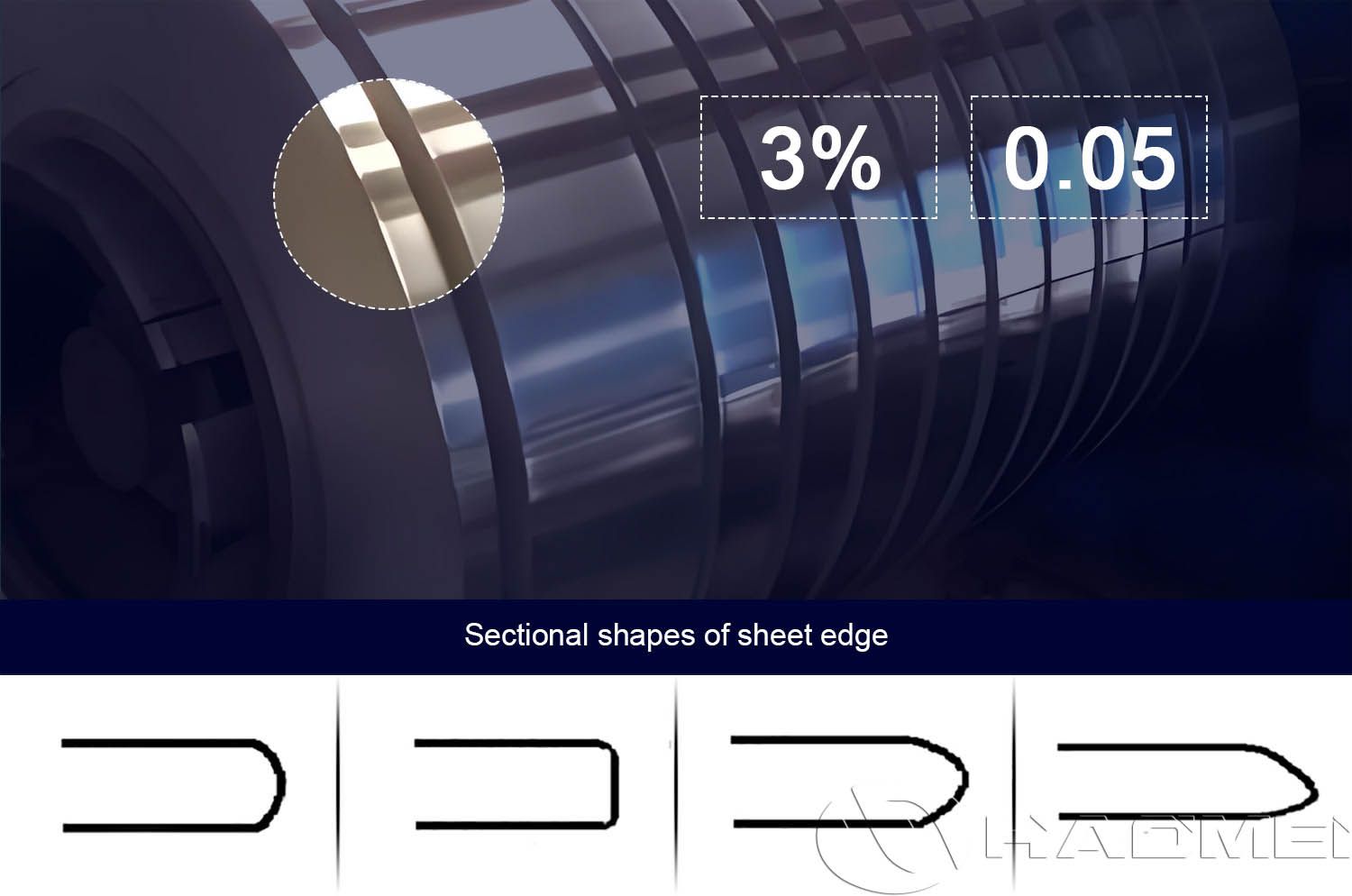
Rounded edge aluminum strip is a specially processed aluminum strip with smooth, rounded edges. Through dedicated edge-treatment processes—such as deburring, edge rolling, edge grinding, and rounding—the sharp right-angle edges on both sides of the aluminum strip are transformed into smooth full-round edges or blunt/smooth arc edges.
This design helps eliminate the damage and safety risks associated with sharp edges. Rounded edge aluminum strip is generally produced from high-purity aluminum grades such as 1050, 1060, 1070, and 1350, offering excellent electrical conductivity, mechanical strength, and workability.
It is commonly used for winding low-voltage transformer coils and can also be applied in reactors, instrument transformers, rectifier transformers, and other electrical equipment requiring aluminum conductor windings.
The aluminum base material can achieve an aluminum purity of over 99.6%, with conductivity of ≥61% IACS. It provides stable electrical performance and uniform resistance, meeting the continuous current-carrying and heat-dissipation requirements of medium- and low-voltage, high-capacity transformers. It is a cost-effective alternative to conventional sharp-edge aluminum strip and copper windings.
Performance Features of Rounded Edge Aluminum Strip
1. Electrical Conductivity
Rounded edge aluminum strip offers excellent electrical conductivity, helping reduce resistance and minimize energy losses. This contributes to improved transformer efficiency and overall electrical performance.
2. Mechanical Strength
Rounded edge aluminum strip has good mechanical strength and can withstand mechanical stresses generated during transformer operation, helping maintain the stability of the winding and magnetic core.
3. Processability
Rounded edge aluminum strip is easy to cut, bend, coil, and form. Its excellent workability improves manufacturing efficiency and supports precise transformer winding production.
Material Selection for Transformer Winding Aluminum Strip
Transformer aluminum windings generally require materials with good electrical conductivity, stable mechanical properties, and sufficient ductility for winding and forming operations.
Common high-purity aluminum grades for transformer applications include:
1050 aluminum strip
1060 aluminum strip
1070 aluminum strip
1350 aluminum strip
Among them, 1050, 1060, and 1070 are high-purity aluminum grades, while 1350 is a widely used electrical-grade aluminum material.
The final material selection should be based on transformer design requirements, conductivity targets, mechanical properties, winding structure, and manufacturing processes.
1060 Transformer Aluminum Strip
1060 aluminum has a high aluminum content, good electrical conductivity, and favorable elongation and processing properties.
For transformer windings requiring a balance between electrical conductivity and winding performance, 1060 rounded edge aluminum strip is a common choice.
1070 Transformer Aluminum Strip
1070 aluminum features higher purity and excellent electrical conductivity, along with good ductility and formability.
For transformer windings with higher conductivity requirements, 1070 rounded edge aluminum strip may be selected according to the design specifications.
1350 Electrical Aluminum Strip
1350 aluminum is an electrical-grade aluminum material with good conductivity and processing performance. It is widely used in the manufacture of conductors for power equipment.
For projects with specific standards or requirements for electrical aluminum materials, 1350 transformer aluminum strip can be selected in accordance with relevant technical specifications.
Transformer Aluminum Strip Specifications
| Alloy | A1060 / A1050 / A1070 / A1350 | Temper | O | |
| Thickness (mm) | 0.2–0.3 | 0.4-0.8 | 1.0-2.0 | 2.0-3.0 |
| Thickness Tolerance (mm) | ±0.015 | ±0.02 | ±0.01 | ±0.06 |
| Width (mm) | 20-100 | 100-200 | 201-500 | 501-1300 |
| Width Tolerance (mm) | ±0.1 | ±0.2 | ±0.2 | ±1.0 |
| Tensile Strength | 60–95 N/mm² | |||
| Elongation | >25% | |||
| Density at 20°C | 2.703 kg/cm³ | |||
| Maximum Resistivity at 20°C | ≤0.02825 Ω·mm²/m | |||
Chemical Composition (%)
| Alloy | Si | Fe | Cu | Mn | Mg | Cr | Zn | V | Ti | Al |
| 1050 | 0.25 | 0.40 | 0.05 | 0.05 | 0.05 | - | - | 0.05 | - | 99.5 |
| 1060 | 0.25 | 0.35 | 0.05 | 0.03 | 0.03 | 0.03 | 0.05 | 0.05 | 0.03 | 99.6 |
| 1070 | 0.20 | 0.25 | 0.04 | 0.03 | 0.03 | - | 0.04 | 0.05 | - | 99.7 |
| 1350 | 0.10 | 0.40 | 0.05 | 0.01 | - | 0.01 | - | 0.05 | - | 99.5 |
Core Advantages of Rounded Edge Aluminum Strip for Transformer Windings
Insulation Protection
The rounded edge design features smooth R-corners without burrs, helping prevent damage to insulation paper, films, and coatings. This reduces the risk of partial discharge, turn-to-turn short circuits, and insulation breakdown.
High Conductivity and Energy Efficiency
Made from high-purity electrical aluminum, the strip has low and uniform resistance. It helps reduce no-load and load losses, lowers temperature rise, and provides stable electrical performance.
Excellent Flexibility and Winding Performance
Fully annealed aluminum strip has high ductility and is well suited for precision winding and multilayer coil construction. It helps improve production yield and winding efficiency.
Uniform Heat Dissipation and Aging Resistance
With a smooth surface and tight thickness tolerances, rounded edge aluminum strip supports more uniform heat dissipation. This helps slow insulation aging and extend transformer service life.
Precision and Compatibility
Precision rolling and slitting ensure reliable dimensional control. Multiple specifications can be customized to meet the requirements of dry-type transformers, oil-immersed transformers, reactors, and high-volume winding production.
Lower Maintenance Costs
Using high-quality transformer aluminum strip can reduce maintenance costs by minimizing material damage, insulation failures, and operational faults.
Applications of Rounded Edge Aluminum Strip
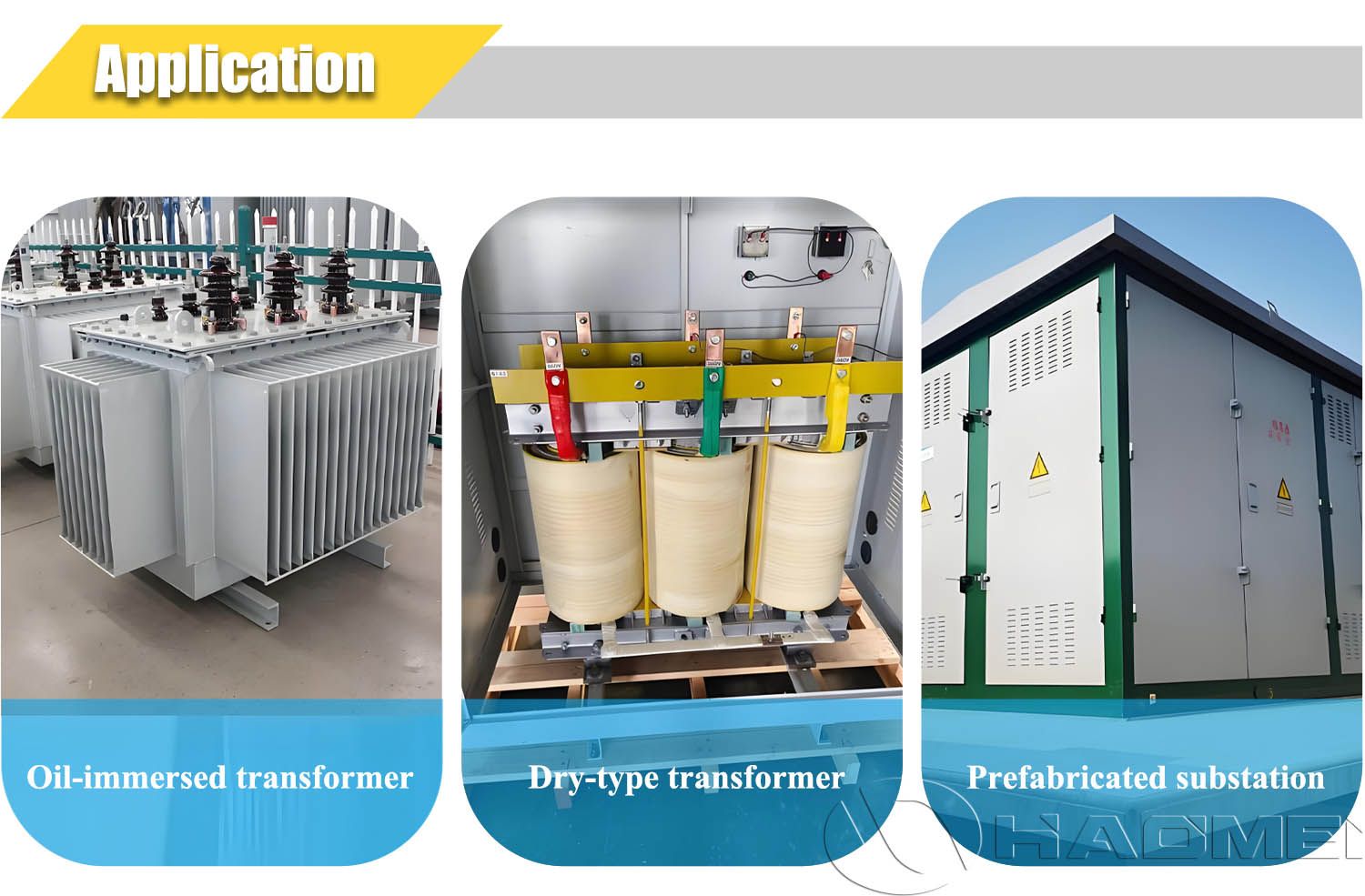
1.Dry-Type Transformers
Used as a conductive material for windings in epoxy-resin cast dry-type transformers, high- and low-voltage dry-type distribution transformers, and related electrical equipment.
2.Oil-Immersed Transformers
Suitable for high- and low-voltage windings in oil-immersed distribution transformers used in industrial facilities, power grids, and civil power distribution systems.
3.Power Reactors
Applicable to the winding production of filter reactors, series reactors, smoothing reactors, and other electrical reactors.
4.Special Power Equipment
Used in rectifier transformers, inverter transformers, voltage-regulating equipment, high-frequency power coils, and other specialized electrical equipment.
5.Renewable Energy Supporting Equipment
Suitable for transformer windings in photovoltaic power systems, wind power systems, energy-storage equipment, and related power distribution applications.
Production Process of Rounded Edge Aluminum Strip
High-quality rounded edge aluminum strip for transformer windings depends not only on the purity of the raw material, but also on strict control of rolling, slitting, edge finishing, annealing, inspection, and packaging processes.
A typical production process is as follows:
Aluminum ingot or billet preparation → Melting/Casting or Hot Rolling → Cold Rolling → Annealing → Precision Slitting → Edge Rounding → Surface Inspection → Coiling → Packaging and Storage
1. Cold Rolling and Thickness Control
The aluminum material is cold rolled through multiple passes to achieve the required thickness. During this stage, thickness uniformity, flatness, and strip shape must be carefully controlled.
2. Annealing
Annealing improves the plasticity and flexibility of the aluminum strip, making it more suitable for transformer winding. The annealing process should be controlled according to alloy grade, strip thickness, and required final mechanical properties.
3. Precision Slitting
Wide aluminum coils are slit into narrow strips according to customer requirements. Width accuracy, edge quality, coil tension, and coil edge alignment must be controlled during this process.
4. Edge Rounding and Deburring
Edge rounding is performed using specialized tools, dies, mechanical edge-finishing equipment, or other precision finishing methods. The purpose is to remove sharp edges and burrs while creating smooth, rounded edges that meet the required specifications.
This is one of the most important steps in the production of rounded edge aluminum strip. If the process is not properly controlled, defects such as edge dents, uneven rounding, local cracking, and width deviation may occur.
5. Finished Product Inspection and Packaging
Finished products are generally inspected for dimensions, surface appearance, edge condition, coil weight, and, where required, material properties. To prevent moisture exposure, impact damage, and deformation during transportation, aluminum coils should be protected with moisture-proof packaging, edge protectors, and securely fixed pallets.
What Is the Difference Between Rounded Edge Aluminum Strip and Ordinary Rectangular Aluminum Strip?
The most noticeable difference lies in the edge structure.
Ordinary rectangular aluminum strip typically has square or nearly square edges, while rounded edge aluminum strip is processed through mechanical or specialized finishing methods to form smooth arc-shaped edges.
| Comparison Item | Ordinary Rectangular Aluminum Strip | Rounded Edge Aluminum Strip |
| Edge Shape | Square or nearly square edge | Smooth rounded or arc-shaped edge |
| Insulation Material Protection | Depends heavily on edge quality | Rounded edges help reduce the effect of sharp corners |
| Winding Adaptability | Suitable for conventional windings | Suitable for windings with higher edge-quality requirements |
| Edge Stress | Relatively higher risk of local stress concentration | Rounded edges help improve stress transition |
| Customization | Standard specifications | Customizable edge radius available |
| Applications | General electrical conductors | Transformers and specialized electrical windings |
It should be noted that a rounded edge structure does not replace the overall insulation design of a transformer. Actual transformer insulation performance must still be ensured through a complete electrical design, appropriate material selection, and controlled manufacturing processes.