 Contact Us
In the power equipment and transformer manufacturing industry, reducing size, improving efficiency, and controlling costs have always been important goals for engineers. In the manufacture of dry-type transformers and low-voltage transformers, traditional round copper wire or enamelled wire windings are gradually being replaced by aluminum strip (aluminum foil) windings.
The electrical conductivity of aluminum is lower than that of copper. Under the same current and current-density conditions, aluminum conductors generally require a larger cross-sectional area. Therefore, aluminum strip cannot be made smaller than copper conductors in every application. The key to winding miniaturization with aluminum strip is not that aluminum has better conductivity, but rather that its strip-shaped structure can improve space utilization, reduce ineffective gaps, and minimize the thickness of additional insulation layers.
What Is the Difference Between Aluminum Strip Windings and Traditional Round-Wire Windings?
Traditional transformer windings commonly use round enamelled wire, paper-covered wire, or rectangular wire as conductors. Round wire is easy to process and widely applicable, but because of its circular cross section, unavoidable gaps are created during winding.
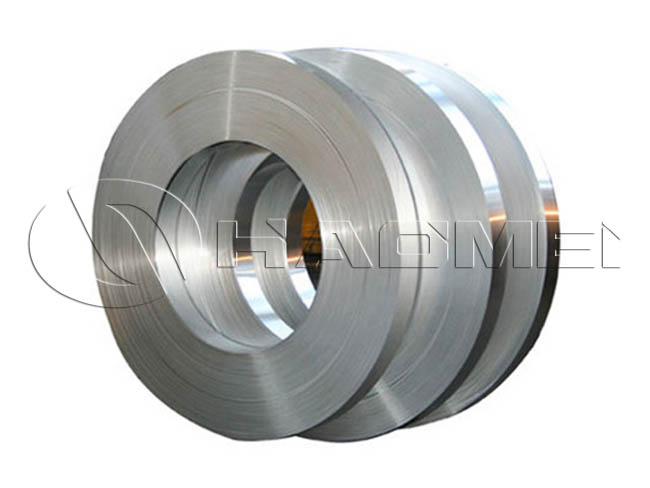
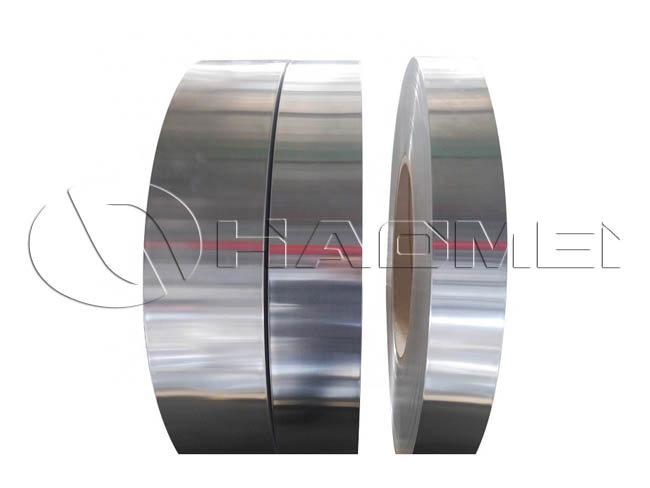
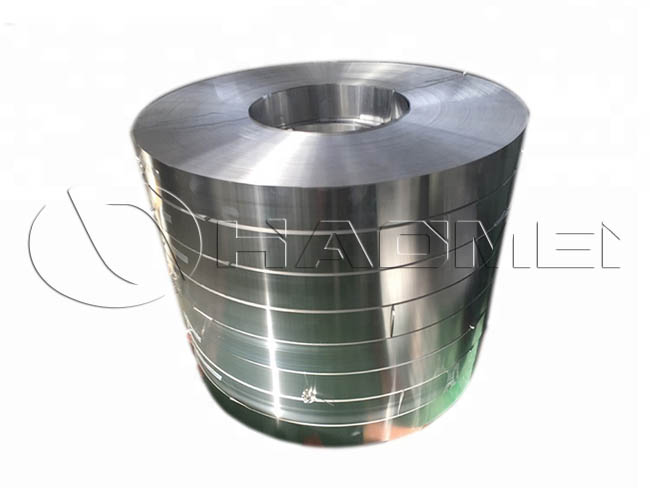
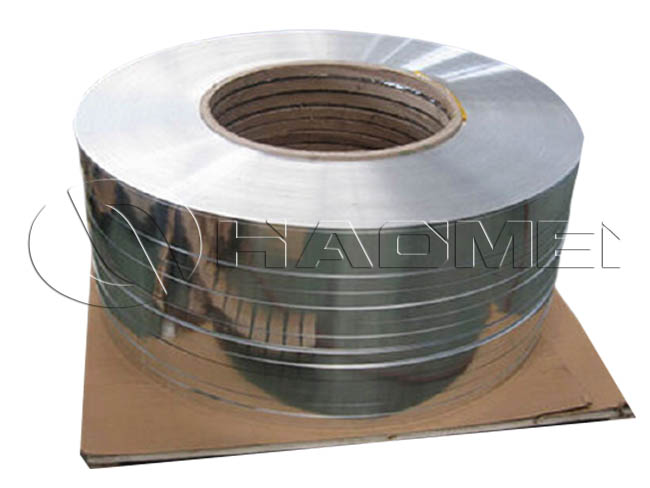
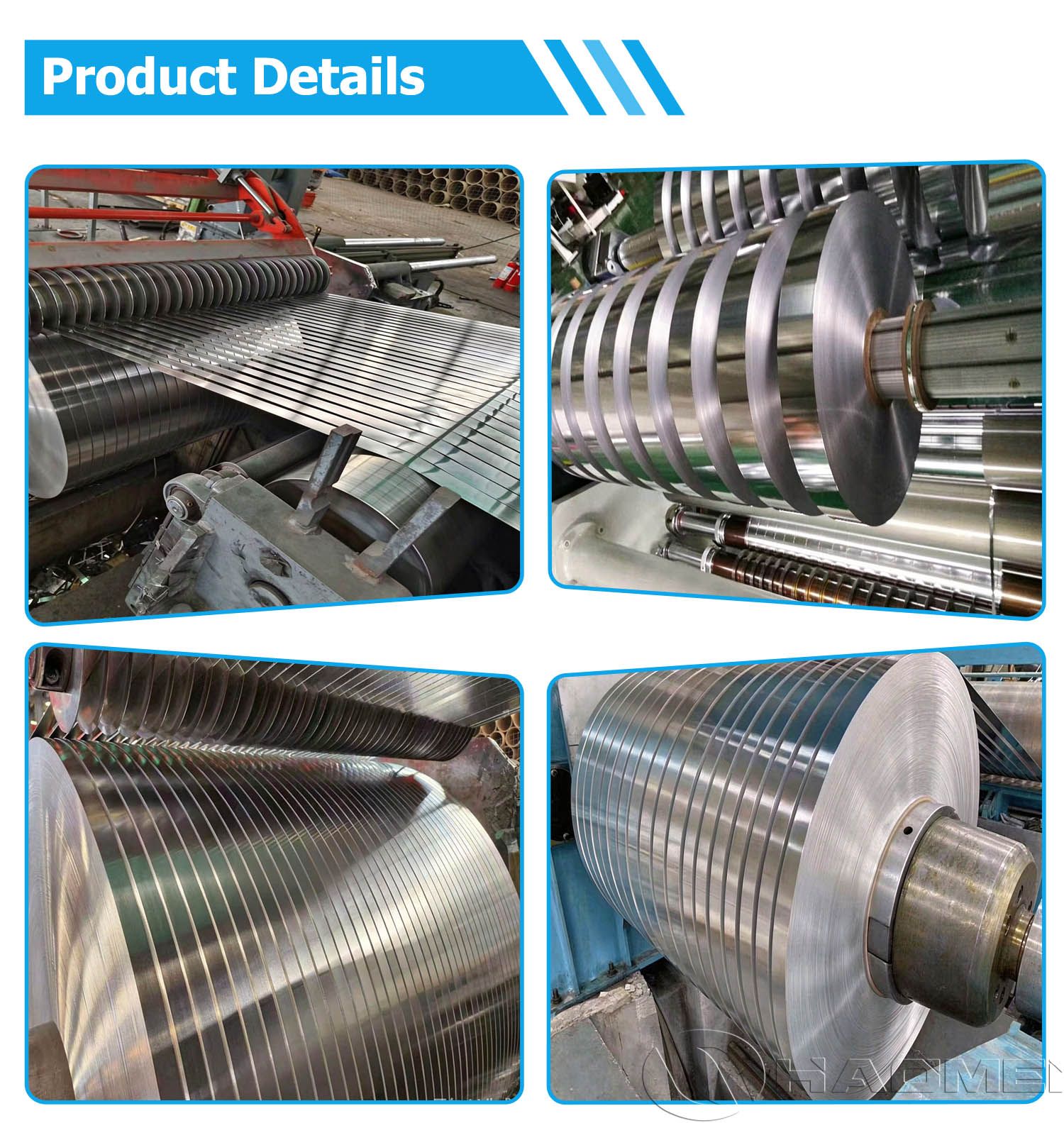
Aluminum strip, by contrast, is typically a wide and thin rectangular conductor, similar in form to a continuous metal strip. Aluminum strip windings can be manufactured in different widths, thicknesses, and insulation configurations according to transformer design requirements.
Simply put:
Round-wire winding: Natural curved gaps exist between adjacent conductors.
Rectangular-wire winding: Space utilization is improved, but gaps may still remain between layers and turns.
Aluminum strip winding: With a greater width and smaller thickness, the strip can form more orderly and tightly arranged layers.
It is precisely this "wide and thin" geometric characteristic that gives aluminum strip a clear advantage in compact winding designs.
Why Is Aluminum Strip Suitable for Transformer Windings?
Transformer windings are typically made of copper or aluminum conductors. These conductors carry electric current and enable energy conversion through electromagnetic induction. Material conductivity, density, mechanical properties, and processing performance all affect winding design.
Aluminum strip is generally supplied in continuous coils and offers uniform thickness, customizable width, low weight, and suitability for continuous winding. Compared with traditional round-wire windings, aluminum strip can form relatively flat and compact conductor layers in specific foil-winding structures, thereby reducing unnecessary space occupation.
The main characteristics of aluminum strip include:
Low density: Aluminum has a density of approximately 2.70 g/cm³, significantly lower than copper at approximately 8.96 g/cm³. This helps reduce the weight of both the winding and the overall equipment.
Good electrical conductivity: With appropriate selection of aluminum alloy grade and conductor cross-sectional area, aluminum strip can meet the electrical requirements of many distribution transformers and dry-type transformers.
Suitable for continuous winding: Aluminum strip coils are compatible with automated winding equipment, helping improve production efficiency and the consistency of conductor arrangement.
Flexible dimensions: Strip thickness and width can be adjusted according to design requirements to suit different winding structures.
Competitive material cost: In many applications, aluminum conductors can help reduce winding material costs, although the actual economic benefit depends on market prices, material usage, and processing costs.
These characteristics make aluminum strip an attractive conductor material for transformer winding design.
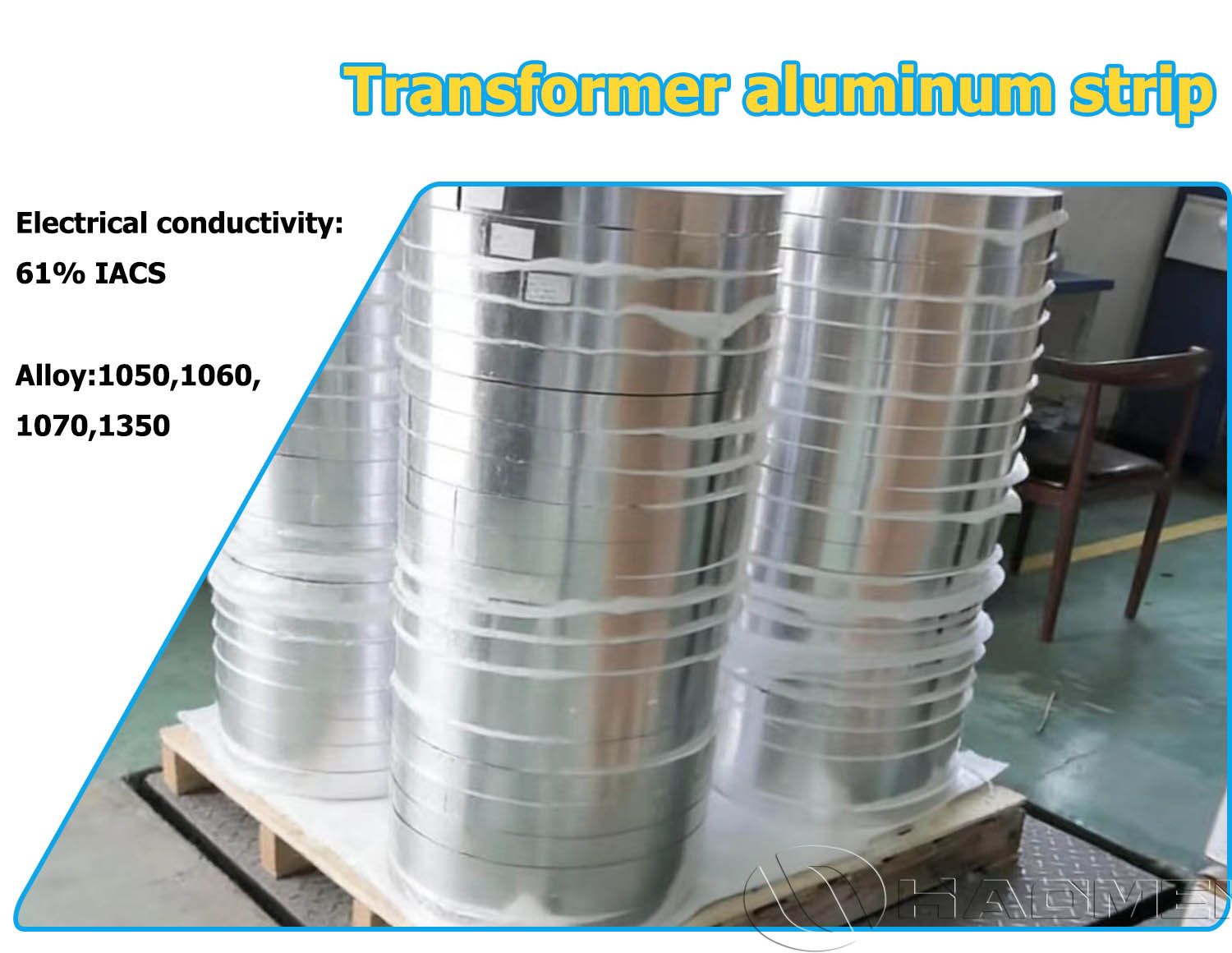
HAOMEI provides customers with 1050 transformer aluminum strip, 1060 transformer aluminum strip, 1070 transformer aluminum strip, and 1350 transformer aluminum strip. These products offer electrical conductivity of approximately 61% IACS.
How Aluminum Strip Can Reduce Transformer Winding Size
Aluminum strip can help reduce transformer winding size through the following mechanisms:
1. Improving Electrical Efficiency
By using aluminum strip, the resistance of the winding can be reduced, thereby lowering power losses. This means that, for the same output power, a smaller winding conductor size can be used, helping reduce the overall winding volume.
2. Optimizing the Magnetic Flux Path
Aluminum strip can help concentrate magnetic flux and reduce flux leakage. This means that a smaller magnetic core may be used under the same magnetic flux conditions, thereby reducing the overall transformer size.
3. Improving Thermal Management
The use of aluminum strip can improve winding temperature management, allowing for smaller heat sinks or reduced heat-dissipation areas. This contributes to a more compact transformer design.
4. Reducing Gaps
Aluminum strip can be used as a gap-filling material and can work with thinner insulating or gap-filling layers, reducing the spacing between windings. This helps reduce winding volume.
5. Enhancing Structural Strength
Aluminum strip can provide additional structural support, allowing for thinner winding conductors and smaller spacing. This can help reduce the overall size of the winding.
Which Transformers Are More Suitable for Aluminum Strip Windings?
Aluminum strip windings are not suitable for every type of transformer, but they offer strong application potential in the following areas.
1. High-Current, Low-Voltage Windings
The low-voltage side of a transformer typically carries high current and requires a large conductor cross-sectional area. Aluminum strip can reduce the complexity associated with using multiple round conductors in parallel and improve space utilization.
2. Dry-Type Transformers
Dry-type transformers have high requirements for heat dissipation, flame resistance, mechanical stability, and winding structure. The flat structure and large heat-dissipation area of aluminum strip windings are beneficial for achieving compact and stable winding designs.
3. Distribution Transformers
Provided that relevant standards, energy-efficiency requirements, and cost-control targets are met, aluminum strip windings can help optimize material costs and equipment weight while improving manufacturing consistency.
4. Rectifier Transformers and Furnace Transformers
These transformers often operate under high-current conditions and require large conductor cross-sectional areas and strong mechanical performance in their low-voltage windings. Aluminum strip can simplify winding structures and facilitate the design of large-cross-section conductors.
5. New Energy and Industrial Power Equipment
In photovoltaic systems, energy storage, EV charging stations, power electronic transformers, and similar applications, equipment is often expected to provide high efficiency, low weight, and modular design. Aluminum strip windings can serve as a solution that balances performance, weight, and cost.