 Contact Us
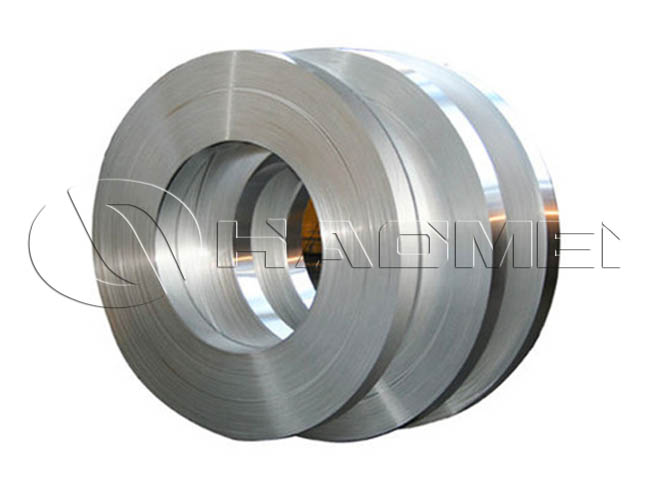
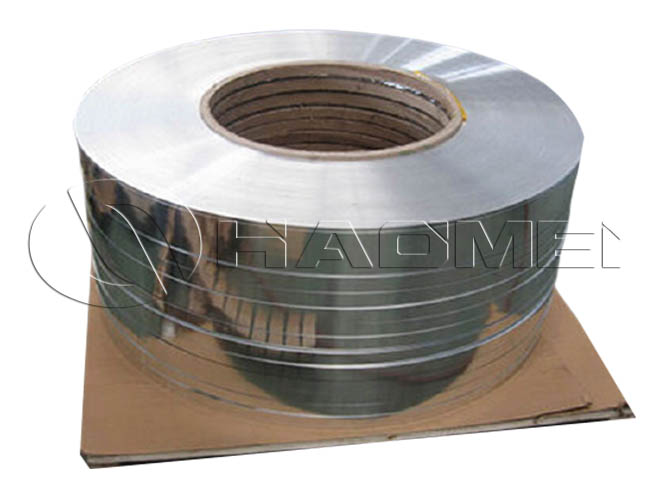
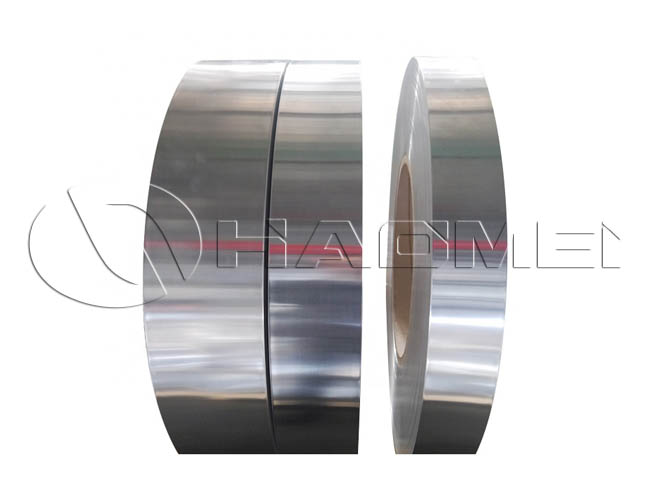
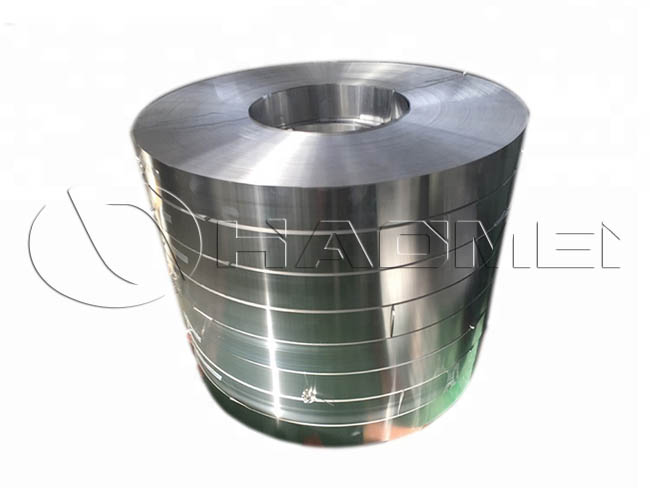
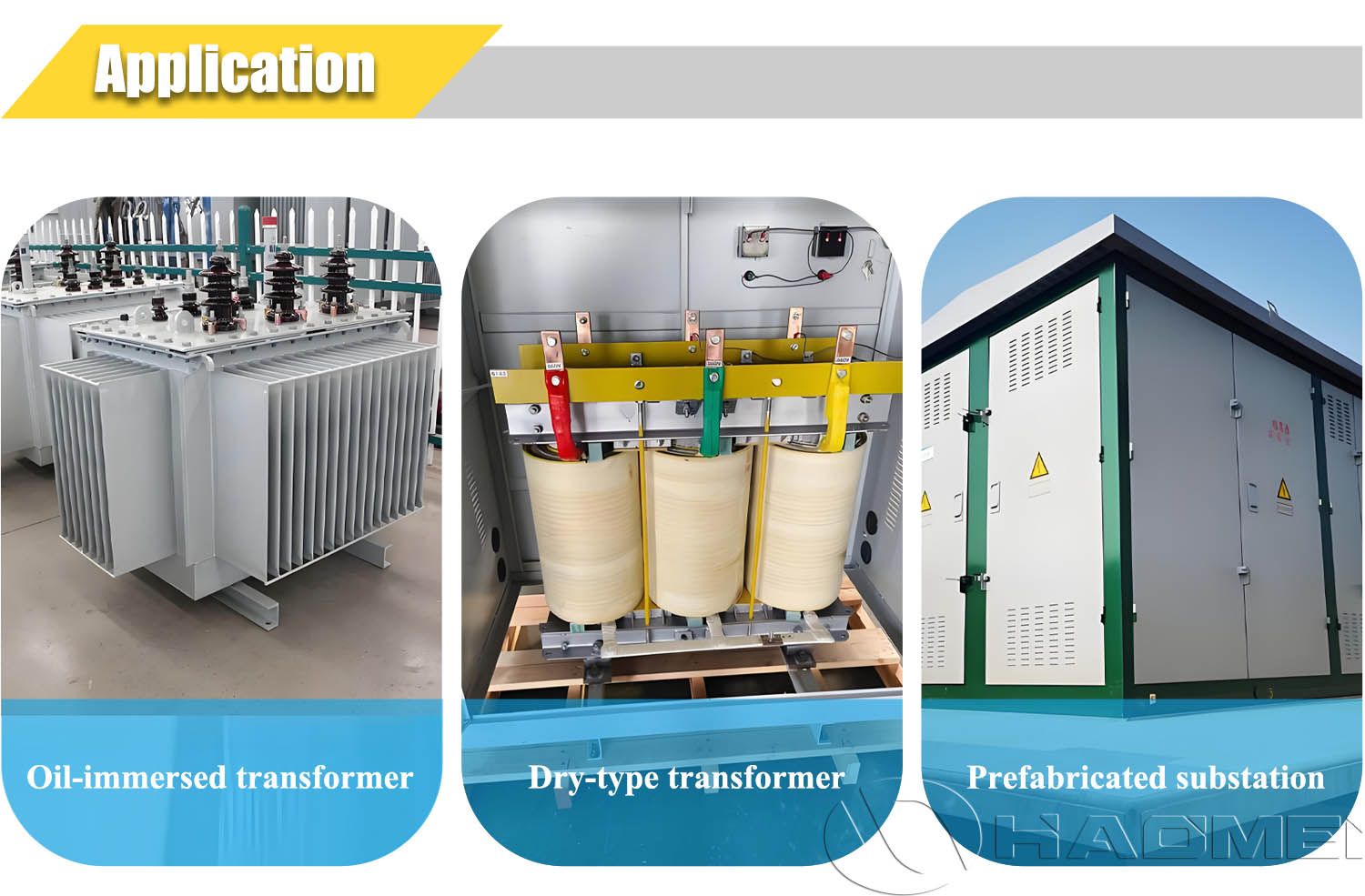
In the manufacturing of dry-type transformers, oil-immersed transformers, and various special inductive equipment, aluminum strip, also known as transformer aluminum strip has gradually become a preferred winding material for small-to-medium-sized and industrial transformers, replacing traditional copper wire and copper strip in many applications.
Aluminum strip can significantly reduce transformer weight and manufacturing costs. In addition, its flat geometry can help reduce skin effect, improve heat dissipation, and enhance the short-circuit resistance of transformer windings.
However, engineers and purchasing managers often face an important selection question during product design and material procurement: Should transformer windings use 1050 aluminum strip or 1060 aluminum strip?
Although both materials belong to the 1000 series of commercially pure aluminum and appear very similar, their slight difference in purity results in different electrical performance, processing behavior, and cost-effectiveness.
Overview of 1060 and 1050 Aluminum Strip
What Is 1060 Aluminum Strip?
1060 aluminum strip is a commercially pure aluminum strip with an aluminum content of no less than 99.6%. Compared with 1050 aluminum strip, 1060 has slightly higher aluminum purity and lower impurity content. As a result, it generally offers certain advantages in electrical conductivity, thermal conductivity, and material uniformity.
1060 transformer aluminum strip is commonly used in transformer windings that require higher electrical conductivity, better surface quality, tighter thickness tolerances, and more stable winding performance. When used in foil-wound transformers, 1060 aluminum strip can help improve heat dissipation, reduce winding losses, and save installation space.
It is also suitable for high-efficiency electrical equipment, low-loss transformer designs, and applications with stricter temperature-rise control requirements.
What Is 1050 Aluminum Strip?
1050 aluminum strip is a commercially pure aluminum strip with an aluminum content of no less than 99.5%. It provides good electrical conductivity, thermal conductivity, formability, and corrosion resistance.
It is widely used in electrical, chemical, construction, electronics, and general industrial applications.
In the transformer industry, 1050 transformer aluminum strip is commonly used for low-voltage windings, foil windings, standard power transformer coils, and projects where cost control is an important consideration.
Typical Specifications for Transformer Winding Aluminum Strip
Transformer winding aluminum strip is generally customized according to transformer capacity, winding structure, electrical design, and production process requirements.
Common supply specifications may include:
| Item | Typical Range |
| Alloy | 1050 / 1060 / 1070 |
| Temper | O / H12 / H14 / H24 / H112 |
| Thickness | 0.2–10 mm |
| Width | 20–600 mm |
| Length | 1,000–16,000 mm |
| Form | Coil / Strip |
| Edge | Slit Edge / Customized Edge |
| Surface | Smooth Mill Finish |
| Application | Transformer Winding / Electrical Conductor |
| MOQ | 3 Tons |
1050 vs. 1060 Aluminum Strip for Transformer Windings
1. Chemical Composition
| Element | 1050 O Aluminum Strip (%) | 1060 O Aluminum Strip (%) |
| Al | ≥99.5 | ≥99.6 |
| Si | 0.0431 | 0.0431 |
| Fe | 0.203 | 0.203 |
| Mg | 0.0013 | 0.0013 |
| Zn | 0.0093 | 0.0093 |
| Mn | 0.0104 | 0.0104 |
| Ti | 0.02 | 0.02 |
| Cu | 0.0022 | 0.0022 |
| V | 0.0039 | 0.0039 |
Both 1050 and 1060 aluminum strips are high-purity aluminum materials. Their main component is aluminum, with small amounts of silicon, iron, magnesium, zinc, manganese, titanium, copper, vanadium, and other trace elements.
The contents of these elements are generally very similar in both alloys. The key difference lies in aluminum purity: 1060 aluminum strip contains at least 99.6% aluminum, while 1050 aluminum strip contains at least 99.5% aluminum.
Although the difference is only 0.1%, purity is important for transformer winding conductors. The slightly higher aluminum content of 1060 generally provides better electrical conductivity and improved resistance to oxidation and corrosion.
2. Electrical Conductivity
The main function of transformer windings is to conduct electrical energy and enable electromagnetic conversion. Therefore, the electrical conductivity of the conductor material is critical.
| Alloy | Typical IACS Conductivity |
| 1050 | >60% |
| 1060 | >61.5% |
IACS stands for the International Annealed Copper Standard. It indicates the conductivity of a material relative to annealed copper.
In general, 1060 transformer aluminum strip has higher electrical conductivity than 1050 transformer aluminum strip. This means that 1060 can offer lower electrical resistance, which may help reduce conductor losses and improve transformer operating efficiency.
Even a small difference in conductivity can be meaningful in transformers operating under high current, continuous-load, low-loss, or low-temperature-rise conditions.
3. Mechanical Performance Comparison
3.1 Strength and Ductility
Transformer windings require an appropriate balance between strength and flexibility. Both 1050 and 1060 aluminum strips offer moderate strength and good ductility, especially in the annealed O temper.
| Parameter | 1050 Aluminum Strip | 1060 Aluminum Strip | Selection Impact |
| Minimum Aluminum Content | ≥99.50% | ≥99.60% | 1060 has 0.1% higher purity and generally lower Fe/Si impurity content |
| Typical Conductivity, O Temper | 60.5–62.0% IACS | 61.5–62.5% IACS | 1060 generally offers higher conductivity, lower theoretical temperature rise, and lower loss |
| Tensile Strength, O Temper | 75–100 MPa | 70–95 MPa | 1050 may offer slightly higher mechanical strength and hardness due to its marginally higher impurity content |
| Elongation After Fracture, A50 mm | ≥30% | ≥35% | 1060 typically provides good plasticity and may reduce the risk of microcracks during bending |
| Typical Application Positioning | Cost-sensitive general-purpose windings | Preferred choice for standard and higher-performance transformers | - |
3.2 Processing Performance
Transformer windings often require multiple layers of tight winding, repeated bending, and close contact with the transformer core. Therefore, the ductility and edge quality of aluminum strip directly affect production yield and winding reliability.
1050 Aluminum Strip
1050 aluminum strip contains slightly more impurities and generally provides stable processing performance. In the soft annealed condition, it offers good formability and bending performance.
It is suitable for manual winding operations and standard production equipment. During processing, it is less likely to experience cracking, peeling, strip breakage, or other defects when production conditions are properly controlled.
Because of its good processing tolerance, 1050 aluminum strip is often suitable for manufacturers with conventional winding equipment or cost-sensitive transformer production.
1060 Aluminum Strip
1060 aluminum strip has higher purity and good material uniformity. It can fully meet the processing requirements of standard transformer winding applications.
For special production conditions—such as ultra-narrow strips, very small bending radii, high-density bends, or highly automated winding lines—more precise control of tension, edge quality, thickness tolerance, and annealing condition may be required.
For high-quality foil-wound transformers, 1060 aluminum strip is often preferred because of its high conductivity, surface consistency, and stable electrical performance.
3.3 Structural Stability and Service Life
Transformers often operate continuously for long periods and are exposed to electrical heating, repeated thermal cycling, electromagnetic vibration, and mechanical stress. Over time, winding materials may be subject to fatigue deformation, loosening, and aging.
High-quality 1060 aluminum strip features good material uniformity and can provide reliable winding contact after forming. When properly designed and manufactured, it can help maintain winding compactness and reduce the risk of local overheating caused by loose connections or poor contact.
1050 aluminum strip can also provide reliable long-term performance when it is supplied with suitable mechanical properties, dimensional tolerances, and surface quality. However, for high-temperature, high-vibration, or long-duration continuous-duty applications, 1060 aluminum strip may be preferred when higher conductivity and tighter material consistency are required.
It should be noted that transformer service life depends not only on the aluminum grade, but also on winding design, insulation system, clamping force, welding quality, cooling conditions, and operating load.
3.4 Cost Difference
1050 aluminum strip is produced using mature manufacturing processes and generally has a lower raw material cost. It can offer a clear price advantage for volume purchasing.
1060 aluminum strip has a higher purity requirement and may require stricter production and quality-control processes. Therefore, its price is typically slightly higher than that of 1050 aluminum strip.
For cost-sensitive, general-purpose transformers, 1050 aluminum strip can provide better cost-effectiveness. For transformers with higher requirements for efficiency, conductivity, temperature rise, and long-term operating stability, the additional cost of 1060 may be justified.
Typical Applications of 1050 and 1060 Aluminum Strip in Transformer Windings
Suitable Applications for 1050 Aluminum Strip
1050 aluminum strip offers good cost performance and is suitable for transformers and electrical products with standard conductivity requirements and relatively strict cost targets, including:
Standard distribution transformer windings
Medium- and low-voltage dry-type transformers
Low-voltage coils for oil-immersed transformers
Conventional foil windings
General rectifier transformers
Standard reactor windings
Transformers for household and commercial electrical appliances
General industrial control transformers
Suitable Applications for 1060 Aluminum Strip
Due to its slightly higher purity and generally better conductivity, 1060 aluminum strip is more suitable for applications requiring improved electrical performance and operational stability, including:
High-efficiency distribution transformers
Large-capacity dry-type transformer foil windings
High-current, low-voltage windings
Transformers with strict temperature-rise requirements
Transformers for renewable energy inverters
Transformers used in photovoltaic, energy storage, and EV charging equipment
Industrial power equipment operating continuously for long periods
Export projects or electrical projects with high customer standards
Customized products with defined requirements for conductivity, surface finish, and dimensional tolerance
How do you choose between 1050 and 1060 aluminum strip for transformer windings?
When selecting aluminum strip for transformer windings, the decision should not be based solely on the choice between "1050 or 1060"; instead, it requires a comprehensive assessment of electrical design, manufacturing process requirements, cost targets, and customer standards.
1.Consider loss requirements
If low resistance, low load loss, and low temperature rise are required, prioritize 1060. For standard loss requirements—where design specifications can be met by increasing the cross-sectional area—1050 is the more economical choice.
2.Consider winding structure
For foil windings, high-current applications, tight winding configurations, or high-speed automated production lines, prioritize high-quality aluminum strip characterized by uniform thickness, stable strip shape, and smooth edges. In these cases, quality control is more critical than the difference in alloy grade.
3.Consider supply temper
Most foil windings are suitable for O-temper (soft) aluminum strip. If structural rigidity or specific support is required, H-temper may be considered, provided that bending and winding performance are verified.
4.Consider cost budget
1060 is generally slightly more expensive, whereas 1050 offers a price advantage. However, do not focus solely on unit price; if issues such as poor strip shape, thickness tolerance, or winding instability lead to reduced efficiency or higher scrap rates, the hidden costs may ultimately be higher.
5.Consider customer and project specifications
If a customer, industry standard, or export project specifies a particular grade (such as 1060 or 1070), select materials in strict accordance with drawings, technical agreements, and bills of materials; do not make arbitrary substitutions.