 Contact Us
In the manufacturing process of dry-type transformers, the winding quality of transformer coils directly determines the insulation performance, temperature-rise control, and service life of the entire unit. As dry-type transformers continue to develop toward higher reliability, larger capacity, and higher efficiency, increasingly strict requirements are being placed on the surface quality and edge finishing of electrical aluminum strip.
During conventional slitting, standard aluminum strip can develop tiny edge burrs. Under high-voltage operation or frequent overload conditions, these small metal burrs may puncture insulation layers, cause partial discharge, and even lead to coil breakdown.
Burr-free or zero-burr edge-finished aluminum strip combines precision rounded-edge or chamfering technology with high-purity electrical conductivity. It has become a preferred conductor material for modern dry-type transformer manufacturing.
Product Overview
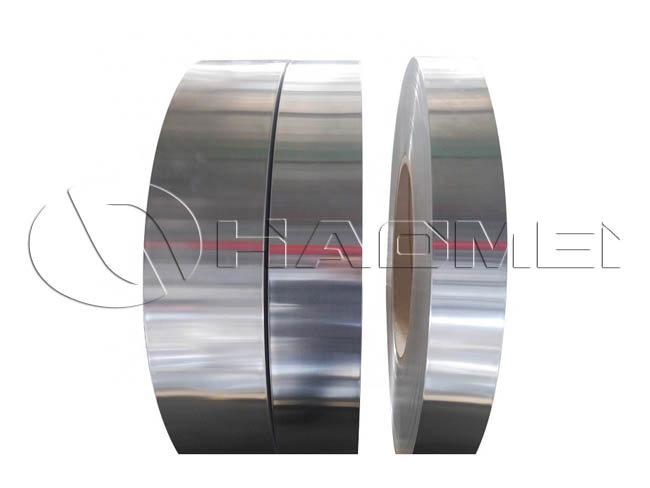
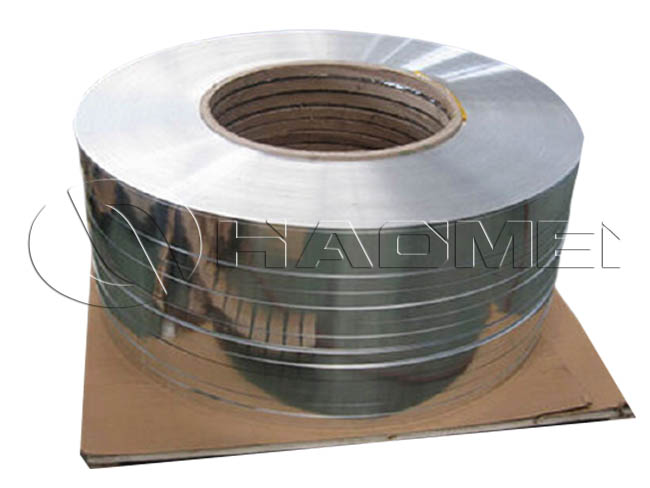
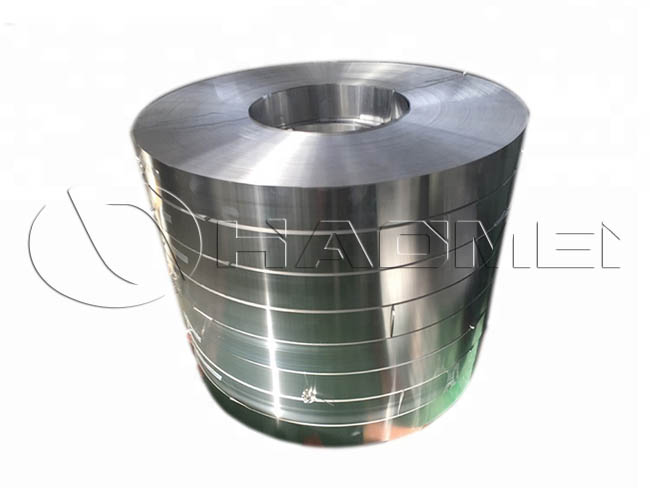
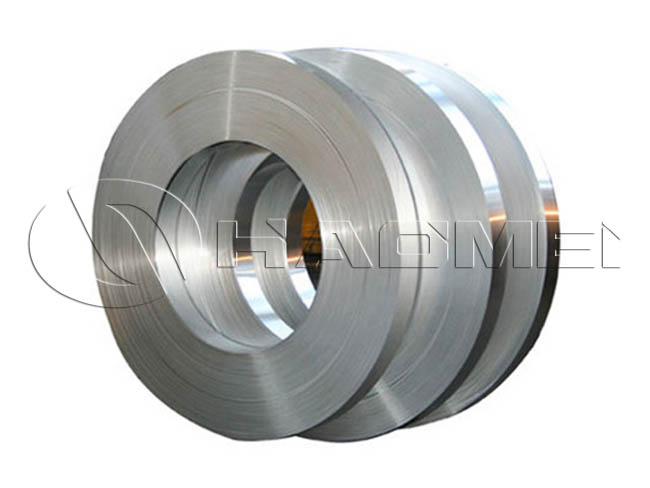
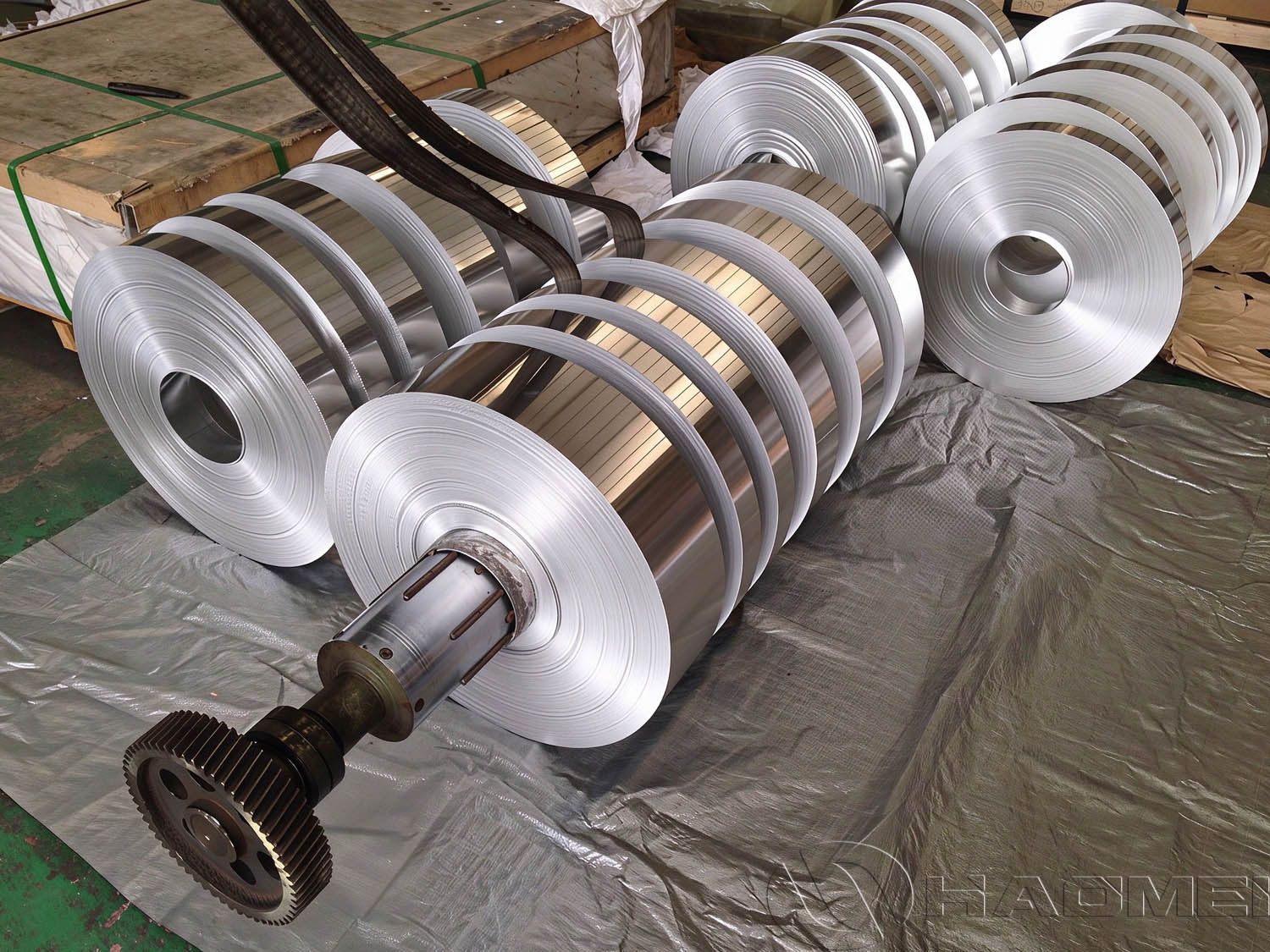
Transformer aluminum strip is typically manufactured from high-purity aluminum through continuous casting and rolling, cold rolling, annealing, and precision slitting processes. It is produced in narrow or wide strip forms that meet transformer winding requirements.
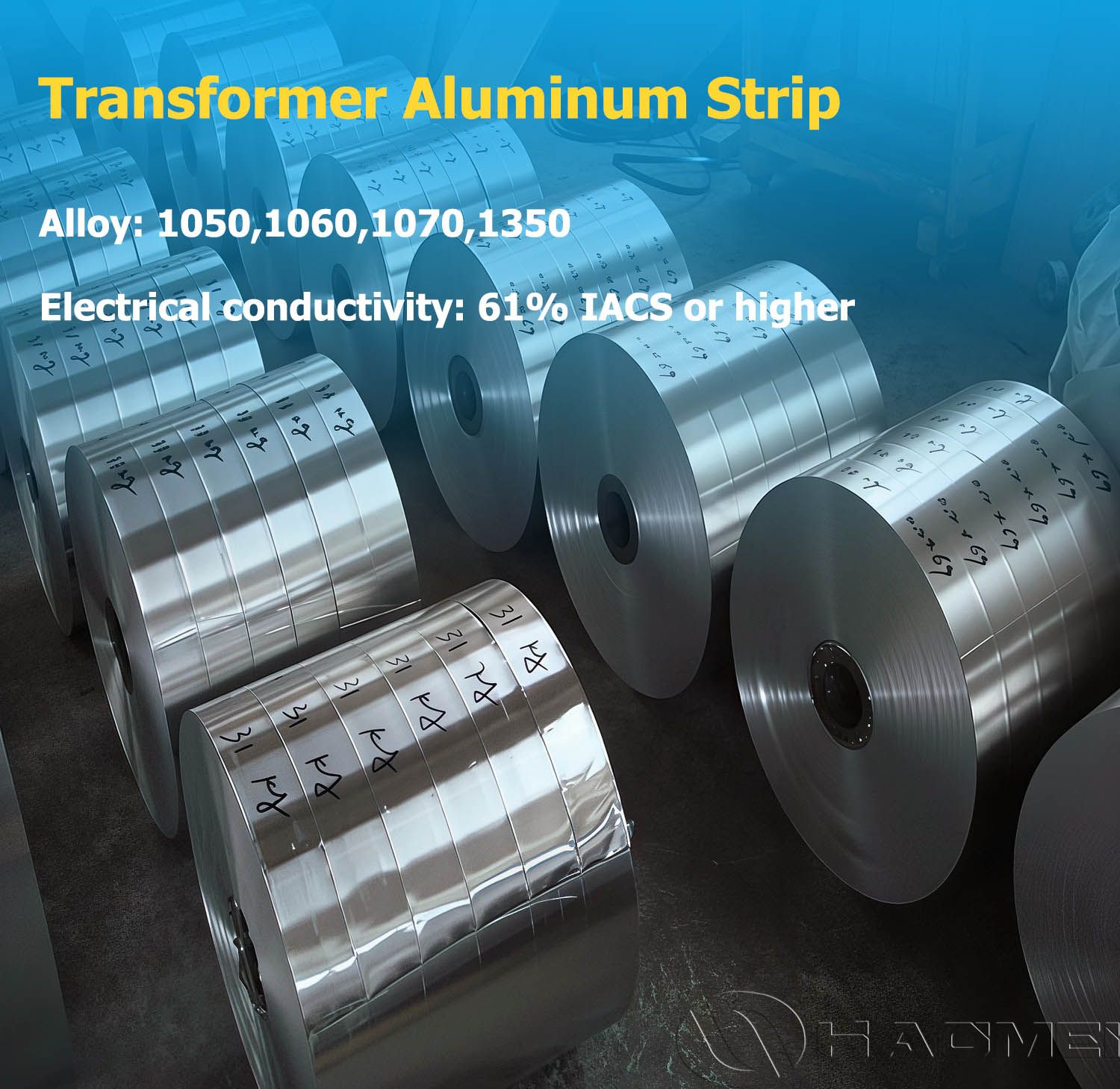
Common aluminum grades include 1050, 1060, 1070, and 1350. Typical thicknesses range from 0.2 mm to 3.0 mm, while widths range from 20 mm to 1600 mm. Electrical conductivity can reach 61% IACS or above.
This product is particularly suitable for transformer manufacturers using foil winding, strip winding, or continuous winding processes.
Conventional slit aluminum strip may have small burrs, curled edges, edge cracks, or irregular cut edges. If these defects are not properly controlled, they can damage insulation materials during winding tensioning, compression, or insulation wrapping, reducing the insulation reliability of the coil.
High-quality zero-burr aluminum strip is manufactured through optimized slitting blade clearance, cutting angle control, strip tension control, precise recoiling, and rounded-edge finishing. These processes produce smoother and more uniform strip edges, providing better protection for insulation materials and improving automatic winding efficiency.
Why Must Dry-Type Transformers Use Zero-Burr Aluminum Strip?
1. Eliminating Partial Discharge Risks and Protecting Insulation Safety
In foil-wound dry-type transformer coils, aluminum strip is wound together with interlayer insulation paper, such as Nomex paper or DMD composite insulation paper.
If burrs are present on the aluminum strip edges, they may concentrate the electric field and create sharp-point discharge. During long-term operation, these burrs may also pierce the interlayer insulation and cause turn-to-turn short circuits.
Zero-burr aluminum strip uses edge trimming and chamfering processes to control burr height to ≤ 0.01 mm, or to achieve no visually detectable burrs. This helps eliminate potential insulation risks at the source.
2. Lower Temperature Rise and Improved Electrical Conductivity
Compared with conventional wire-wound coils, aluminum foil or strip windings can provide a more uniform current distribution. This can reduce additional losses caused by skin effect and proximity effect.
High-purity 1060 and 1070 aluminum strip can offer electrical conductivity of up to 61.5% IACS, together with good thermal conductivity. These properties help reduce transformer operating temperature rise and improve overall energy efficiency.
3. Improved Coil Compactness and Short-Circuit Force Resistance
Zero-burr aluminum strip has smooth and flat edges. During high-speed winding on automatic foil winding machines, it is less likely to scratch interlayer insulation materials, allowing the coil to be wound more tightly and evenly.
A compact coil structure offers improved mechanical stability and better resistance to electromagnetic forces generated during sudden short-circuit events.
Core Technical Specifications and Parameters
To meet the strict requirements of IEC, ASTM, GB/T, and other electrical aluminum strip standards, dry-type transformer aluminum strip is carefully controlled in alloy grade, temper, dimensions, and machining tolerances.
| Key Parameter | Standard / Typical Range |
| Common Alloy Grades | 1050 (Al ≥ 99.50%), 1060 (Al ≥ 99.60%), 1070 (Al ≥ 99.70%), 1350 |
| Supply Temper | O temper, fully annealed soft condition with high elongation and low residual stress after bending |
| Thickness Range | 0.20 mm–3.50 mm; thickness tolerance typically ±0.01 mm to ±0.03 mm |
| Width Range | 10 mm–1600 mm; slit to customer coil dimensions |
| Edge Treatment | Rounded edge, radius edge, chamfered edge, smooth edge conditioning |
| Burr Height | ≤ 0.005 mm–0.01 mm, zero-burr grade |
| Electrical Conductivity | ≥ 61.5% IACS |
| Surface Quality | Free from oil stains, scratches, oxide scale, folds, and edge-layer misalignment; neatly finished coil ends |
| MOQ | 3 tons |
Key Advantages of Zero-Burr Aluminum Strip for Dry-Type Transformers
1. Zero-Burr Edge Design
The main advantage of zero-burr aluminum strip is its carefully finished edge quality. The strip is manufactured to minimize burrs, sharp edges, scratches, and surface defects that could affect insulation during coil winding.
Smooth and consistent edges help prevent insulation damage, reduce the risk of contact problems, and support stable, efficient winding operation. Proper edge finishing may also help reduce localized electrical stress and electromagnetic interference.
2. High Electrical Conductivity
High electrical conductivity is one of the key reasons aluminum strip is widely used in dry-type transformer coils.
Although aluminum has lower conductivity than copper, its light weight and cost efficiency make it an attractive conductor material for properly designed dry-type transformer windings. High-conductivity aluminum strip helps maintain low winding resistance, reduce energy losses, and improve transformer efficiency.
3. Good Mechanical Strength and Rigidity
Transformer aluminum strip offers suitable mechanical strength and rigidity to withstand stresses and deformation during coil winding.
This helps maintain coil structural stability during manufacturing and service, reducing the risk of coil deformation, conductor damage, or winding failure.
4. Excellent Thermal Conductivity
Aluminum has good thermal conductivity and can efficiently transfer heat generated by transformer windings to the surrounding environment.
This helps keep the transformer operating temperature within a safe range and supports longer service life. Clean surfaces and stable strip quality further improve thermal performance in transformer coil applications.
5. Oxidation and Corrosion Resistance
Transformer winding aluminum strip may be supplied with suitable surface treatment or light protective oiling, depending on the application requirement. These measures help resist oxidation and corrosion during storage, processing, and long-term operation.
A stable protective surface condition helps maintain the reliability and performance of the aluminum strip over time.
6. Cost Efficiency
Compared with copper, aluminum has a lower material cost, making rounded-edge aluminum strip an economical choice for dry-type transformer coils.
In addition, aluminum has lower density than copper. Its lightweight characteristics can reduce the overall weight of transformers, helping lower transportation, handling, and installation costs.
Common Tempers of Transformer Aluminum Strip
Transformer aluminum strip can be supplied in different tempers according to production processes and winding equipment requirements.
Common tempers include:
O Temper
H12
H14
H24
H112
For transformer aluminum strip used in continuous winding processes, a proper balance is required among electrical conductivity, tensile strength, elongation, and forming performance.
O Temper Aluminum Strip
O temper aluminum strip offers excellent ductility and elongation. It is suitable for winding applications requiring high formability and flexibility.
Strain-Hardened Aluminum Strip
Aluminum strip with appropriate cold-work hardening can provide increased strength and improved dimensional stability.
The final temper selection should be determined according to coil design, winding radius, tension control, insulation system, and winding machine requirements.
Special Edge Processing: Rounded Edges and Deburring Technology
Conventional slitting alone cannot meet the high insulation requirements of transformer winding applications. Burr-free aluminum strip requires multiple precision edge-finishing processes after slitting.
Precision Slitting
High-precision carbide circular slitting knives are used to reduce initial burr formation caused by tearing during the cutting process.
Mechanical Deburring and Edge Conditioning
Special diamond rollers or compression chamfering dies are used to finish both strip edges into semi-rounded profiles or smooth chamfered edges. This removes sharp corners and minimizes harmful burrs.
Surface Cleaning and Annealing
The strip can be annealed in a controlled atmosphere or vacuum annealing furnace to achieve O temper. This process helps remove residual rolling oil and ensures a clean surface.
A clean aluminum strip surface is beneficial for subsequent insulation processing and resin casting operations, such as epoxy vacuum casting.
Typical Applications
Dry-Type Power Transformers
Used in high-voltage and low-voltage foil winding coils for dry-type distribution transformers, including 10 kV and 35 kV transformer systems.
Wind Power and Photovoltaic Transformers
Suitable for renewable energy step-up transformers that must withstand frequent load fluctuations and demanding operating environments.
Railway Traction Transformers
Used in transformers for high-speed rail systems, metro stations, and railway traction power supply systems.
Explosion-Proof and Industrial Special Transformers
Suitable for mining explosion-proof transformers, furnace transformers, rectifier transformers, and other industrial transformer applications.