 Contact Us
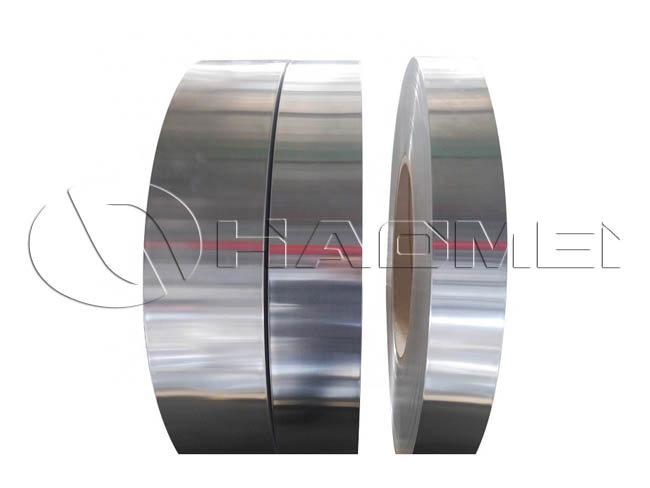
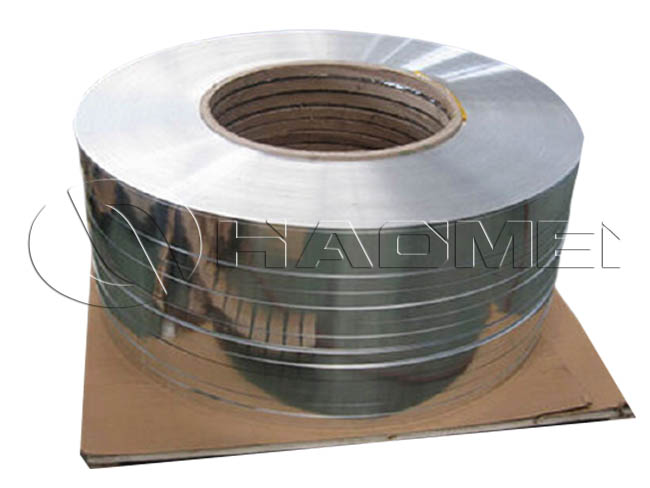
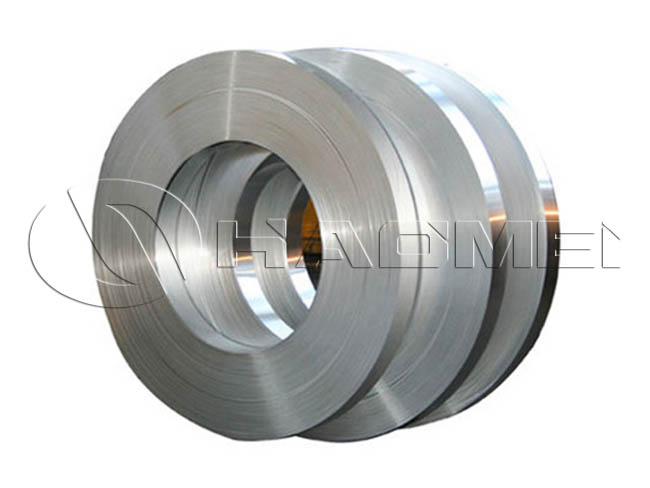
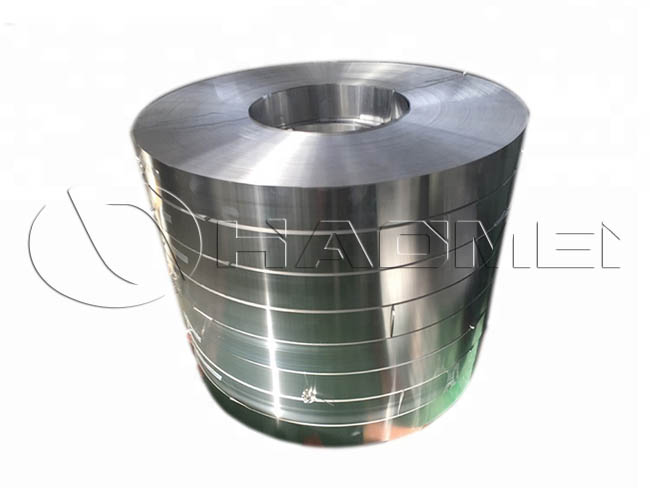
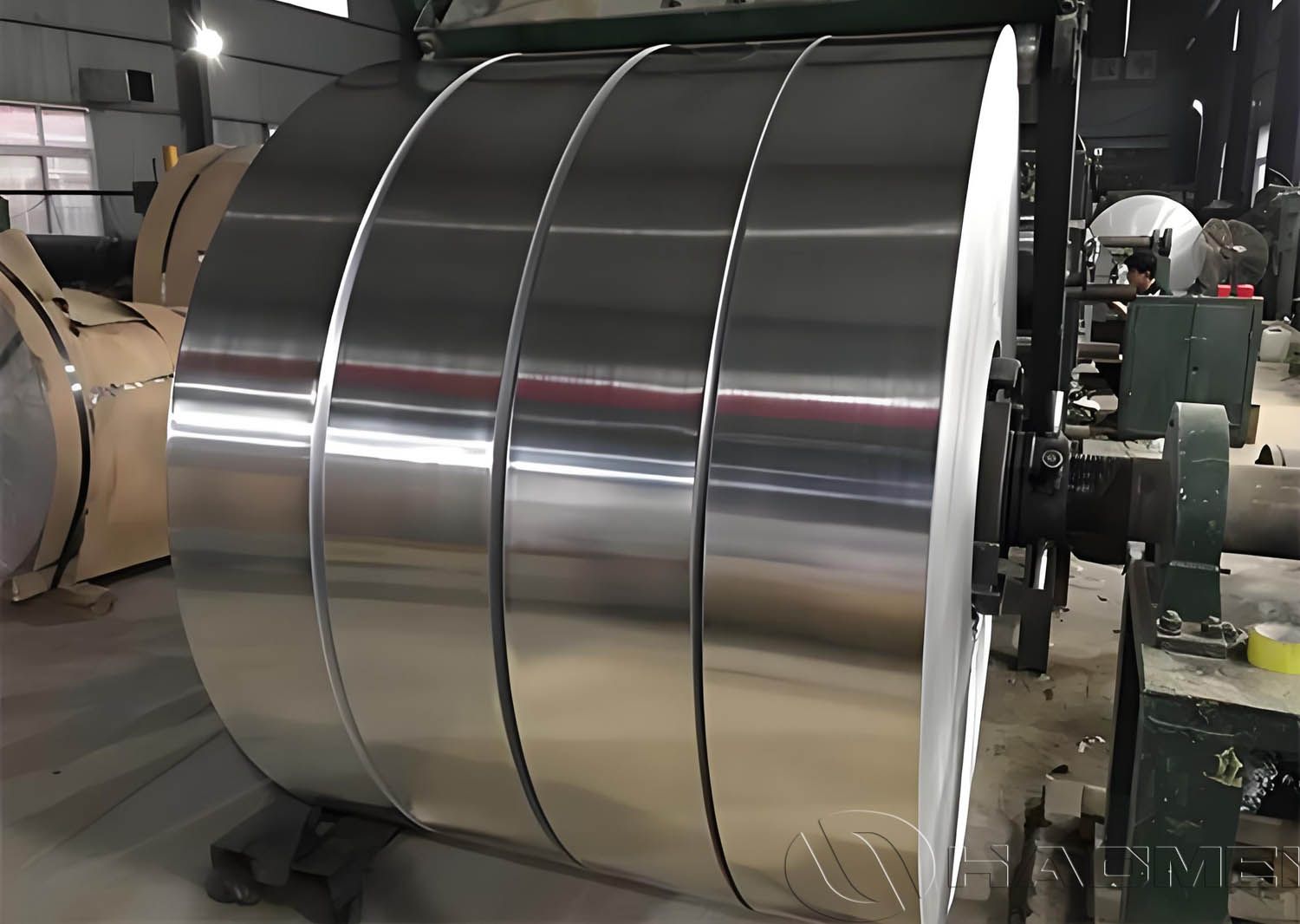
In the power equipment manufacturing industry, the performance and service life of dry-type transformers, oil-immersed transformers, and high- and low-voltage reactors largely depend on the quality of the winding conductor material. Traditional copper wire and copper strip windings offer excellent electrical conductivity. However, as transformers increasingly require reduced weight, compact designs, and stricter cost control, 1050 pure aluminum strip (Transformer Aluminum Strip/Foil) has become a mainstream choice in the global power equipment manufacturing industry.
With high electrical conductivity, excellent workability and ductility, flat burr-free edges, and outstanding cost efficiency, 1050 aluminum strip is widely used for transformer windings and electrical conductor applications.
Product Introduction
1050 pure aluminum strip is a high-purity aluminum material widely used in the electrical industry. Its aluminum content is generally not less than 99.5%, and its electrical conductivity can reach approximately 61% IACS (International Annealed Copper Standard). Its conductivity is second only to copper and is approximately 20%–30% higher than that of conventional aluminum alloys such as 6012 or 6016.
This means that, when properly designed, transformers using 1050 pure aluminum strip can achieve reliable electrical performance while offering material cost and weight advantages.
1050 transformer aluminum strip provides excellent electrical conductivity, thermal conductivity, plasticity, and processing performance. Through different rolling and annealing processes, 1050 aluminum strip can be supplied in O temper, H14 temper, and H18 temper to meet diverse transformer winding manufacturing requirements.
1050 O temper aluminum strip offers excellent softness and elongation, making it suitable for applications requiring bending, forming, and winding performance.
1050 H14 aluminum strip balances mechanical strength and formability.
1050 H18 aluminum strip features a higher degree of strain hardening and greater strength, making it suitable for specific winding designs requiring increased material rigidity.
Chemical Composition (%)
| Element | Al | Si | Fe | Cu | Mn | Mg | Zn | Ti | Other Impurities, Each | Other Impurities, Total |
| Content | ≥99.50 | ≤0.25 | ≤0.40 | ≤0.05 | ≤0.05 | ≤0.05 | ≤0.05 | ≤0.03 | ≤0.03 | ≤0.05 |
Mechanical Properties
| Property | 1050-O (Annealed Soft Temper) | 1050-H14 (Half-Hard Temper) | 1050-H18 (Full-Hard Temper) |
| Tensile Strength (Rm / MPa) | 60-95 | 110-145 | ≥160 |
| Yield Strength (R0.2 / MPa) | ≥30 | ≥85 | ≥140 |
| Elongation (A / %) | ≥25%–35% | ≥3%–6% | ≥1%–2% |
| Electrical Conductivity (% IACS) | ≥62.5% | ≥62.0% | ≥61.5% |
| Material Characteristics | Extremely soft, high conformability, high elongation | Balanced strength and flexibility; resistant to deformation | High strength, high tensile resistance, and high hardness |
Applications of Different Tempers
1. 1050-O Temper: The Preferred Choice for Low-Voltage Foil Windings
Features:
Fully annealed for exceptional softness, high elongation, and peak electrical conductivity.
Typical Applications:
Dry-type transformer low-voltage foil windings.
Soft-temper aluminum strip runs smoothly on automatic foil winding machines and can closely conform to interlayer insulation materials, such as Nomex paper or DMD composite insulation paper. It is less likely to damage insulation media during winding and forming.
2. 1050-H14 Temper: A Balanced Option for High-Tension Winding and Special Coils
Features:
Moderately strain-hardened to provide a certain level of tensile strength while maintaining the flexibility needed for bending and winding.
Typical Applications:
Large transformer high-voltage windings, special reactors, and winding processes requiring high tension.
During high-speed winding, H14 aluminum strip is less likely to undergo tensile deformation or develop edge wrinkles due to tension fluctuations.
3. 1050-H18 Temper: For High Mechanical Stress and Short-Circuit Resistance Requirements
Features:
With the highest degree of strain hardening, H18 aluminum strip offers high tensile strength, high yield strength, and strong resistance to deformation.
Typical Applications:
Electromagnetic coil substrates, structural conductor components, and specific winding designs requiring resistance to high electrodynamic forces or tensile stress.
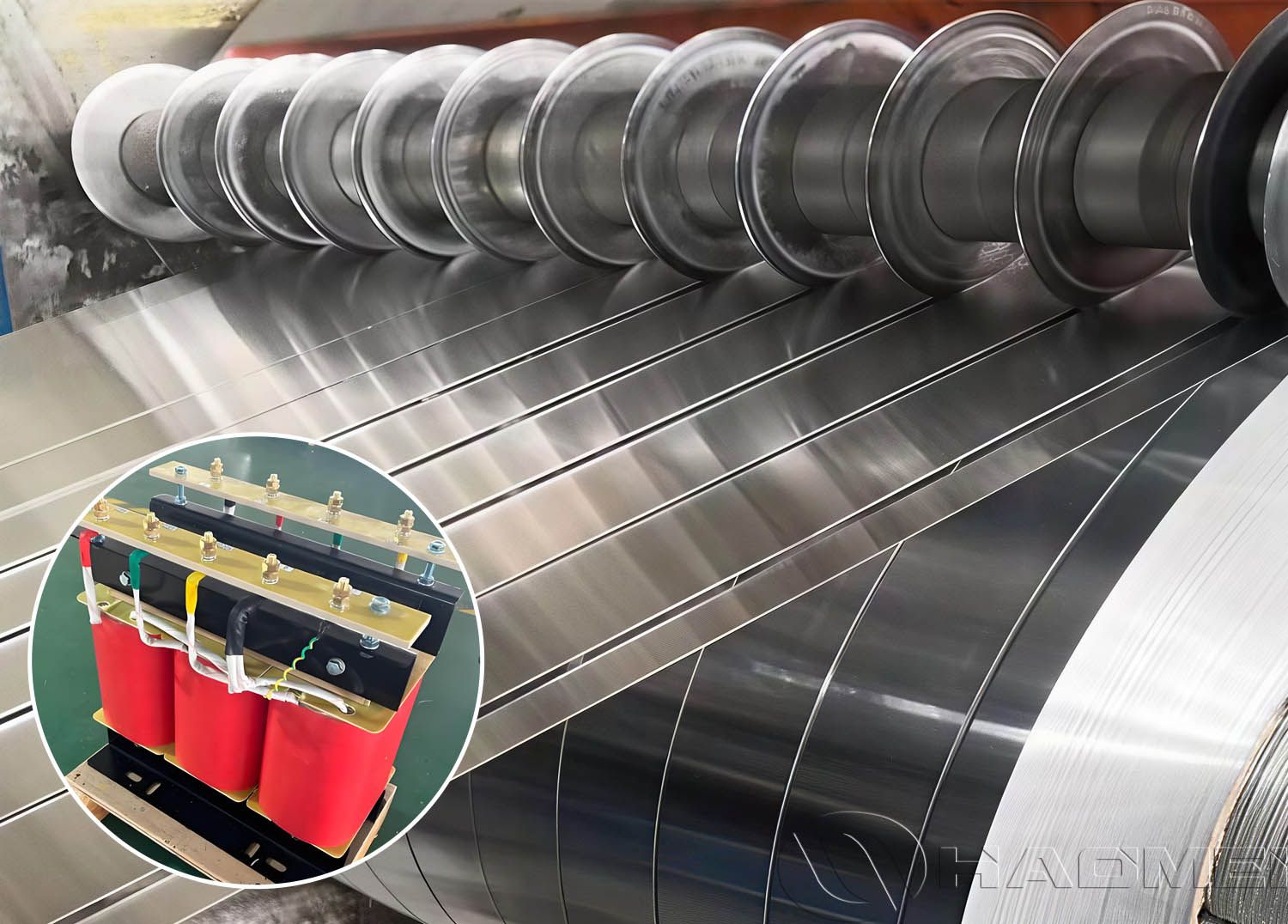
Why Choose 1050 Aluminum Strip for Transformer Windings?
1. Significant Lightweight Advantage
Aluminum has a density of approximately 2.71 g/cm³, compared with 8.96 g/cm³ for copper. Although aluminum requires a larger cross-sectional area to achieve equivalent conductivity, the overall conductor weight remains substantially lower.
For large-capacity transformers, compact substations, dry-type transformers, and projects sensitive to equipment weight, aluminum strip windings can help reduce total transformer weight and facilitate transportation, lifting, and installation.
2. Electrical Conductivity Meets Most Winding Requirements
1050 aluminum strip provides good electrical conductivity. Although lower than copper, it can meet the requirements of many power and distribution transformers through optimized conductor cross-section, number of turns, coil structure, and cooling design.
High-quality aluminum strip should have stable composition, uniform microstructure, and consistent conductivity to minimize resistance variation.
3. Excellent Winding and Forming Performance
1050 aluminum strip has excellent ductility. O-temper soft aluminum strip, in particular, offers better flexibility and can reduce the risks of edge cracking, breakage, and deformation during winding.
Automated winding processes place high demands on strip flatness, thickness uniformity, edge quality, and tension stability.
4. Good Thermal Conductivity Supports Temperature Rise Control
Aluminum strip has good thermal conductivity. Combined with proper coil design, insulation structure, and oil duct or air duct design, it can facilitate heat dissipation and support transformer temperature rise control.
5. Outstanding Cost Efficiency
Aluminum is generally more economical than copper. For distribution transformers, conventional power transformers, industrial transformers, and volume production projects, 1050 aluminum strip can help optimize raw material costs while meeting applicable design requirements.
1050 Transformer Aluminum Strip Specifications
| Item | Specification |
| Alloy Grade | 1050, Al ≥99.50% |
| Available Tempers | O, H14, H18 |
| Thickness Range | 0.2 mm–4.0 mm |
| Thickness Tolerance | ±0.02 mm standard; ±0.01 mm available by agreement for precision rolling |
| Width Range | 20 mm–1300 mm |
| Width Slitting Tolerance | ±0.1 mm for precision slitting |
| Length | 1000 mm–16000 mm |
| Coil Inner Diameter | Φ76 mm, Φ150 mm, Φ300 mm, or customized |
| Electrical Conductivity | ≥61% IACS |
| Coil Weight | 50 kg–2500 kg per coil; custom coil weights available |
| Edge Treatment | Rounded and deburred edges, R0.2–R0.5; square edges or flat-cut edges available |
| Surface Condition | One-side bright or two-side bright; free from oil stains, roller marks, and scratches |
| Packaging | Kraft paper plus moisture-proof plastic film, paper sleeves for scratch protection, and wooden pallet packing |
| MOQ | 1-3 tons |
Comparison with Other Materials
Comparison Item | 1050 Pure Aluminum Strip | Copper | Conventional Aluminum Alloy, such as 6012 |
| Electrical Conductivity | Approx. 61% IACS | 100% IACS | 35%–45% IACS |
| Cost | Lower, approximately half the cost of copper | Highest | Medium |
| Weight | Lightweight | Heavy | Lightweight |
Mechanical Strength | O: 70–85 MPa; H18: 150–180 MPa | High, 210–250 MPa | Medium, 150–200 MPa |
| Typical Applications | High-power dry-type transformers and oil-immersed transformers | Small, high-precision transformers | Small and medium-sized transformers |
Conclusion:
With its balanced advantages in electrical conductivity, cost, and weight, 1050 pure aluminum strip is an ideal conductor material for high-power transformers, particularly for applications requiring energy efficiency, reliable long-term operation, and cost optimization.
Transformer Winding Aluminum Strip Supply Capacity
HAOMEI Aluminum specializes in the production, processing, and supply of industrial pure aluminum strip, electrical aluminum strip, and conductor materials for transformer windings. We supply 1050, 1060, 1070, and other aluminum strip series to meet the needs of transformer manufacturers and electrical equipment customers.
Available Product Range
1050 O-temper soft aluminum strip
1050 H14 half-hard aluminum strip
1050 H18 full-hard aluminum strip
1060 high-purity aluminum strip
1070 electrical aluminum strip
Aluminum strip for transformer foil windings
Paper-covered aluminum strip, film-laminated aluminum strip, and insulation composite aluminum strip substrates
Slit small coils, master coils, and cut-to-length aluminum strips
FAQ
Q1: What is the difference between 1050-O and 1060-O transformer aluminum strip?
A: 1060 aluminum contains at least 99.6% aluminum, giving it slightly higher purity and electrical conductivity than 1050 aluminum. 1050 offers better cost efficiency and is widely used in conventional distribution dry-type transformer and oil-immersed transformer projects. For high-performance or long-service-life applications, 1060 aluminum strip may be selected.
Q2: How can coil springback be addressed when using H14 aluminum strip?
A: First, optimize the pressing mechanism of the foil winding machine and appropriately increase winding tension. Hot-press forming may also be used. If springback still does not meet the design requirement, switching to O-temper soft aluminum strip is recommended.
Q3: Can H18 aluminum strip be used for reactor windings?
A: It is generally not recommended for continuous multilayer winding. H18 may be used for simple conductive rings with single turns, large bending radii, and no need for compression. For multilayer winding, inter-turn gaps may occur, potentially resulting in excessive partial discharge levels.