 Contact Us
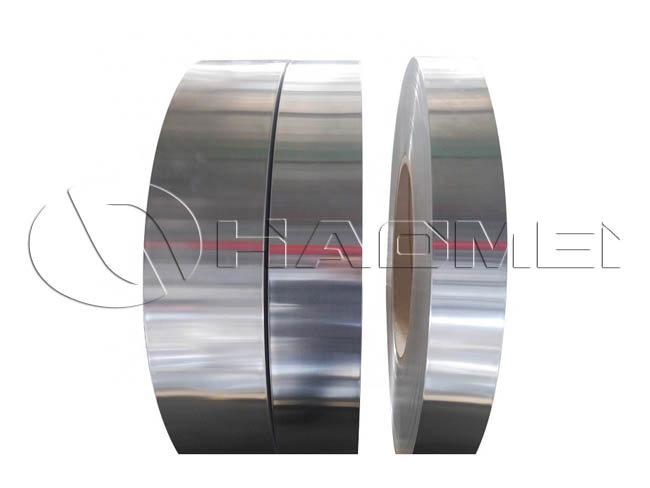
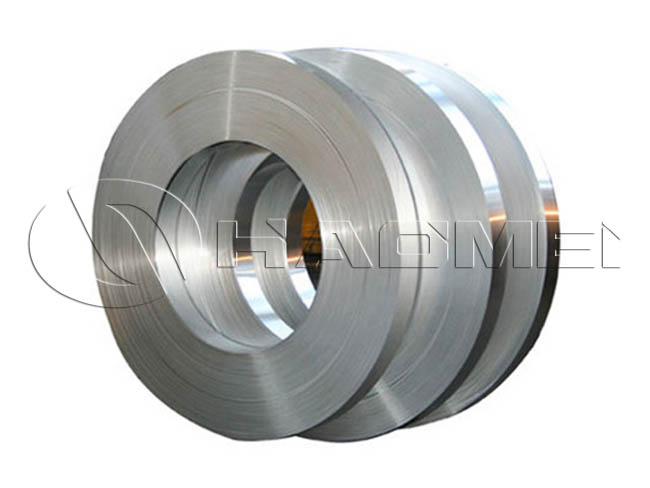
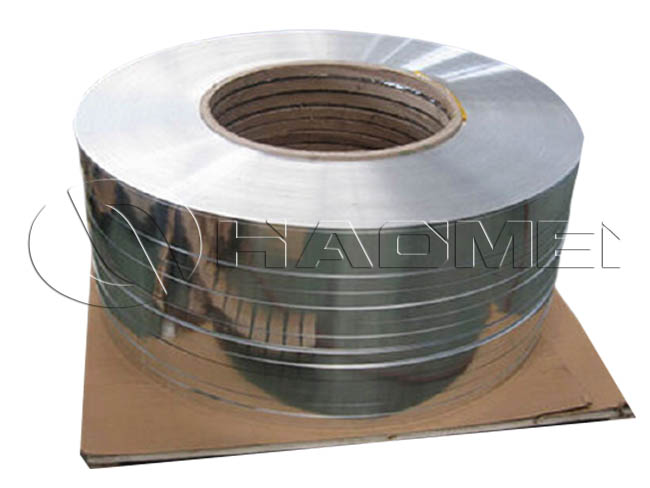
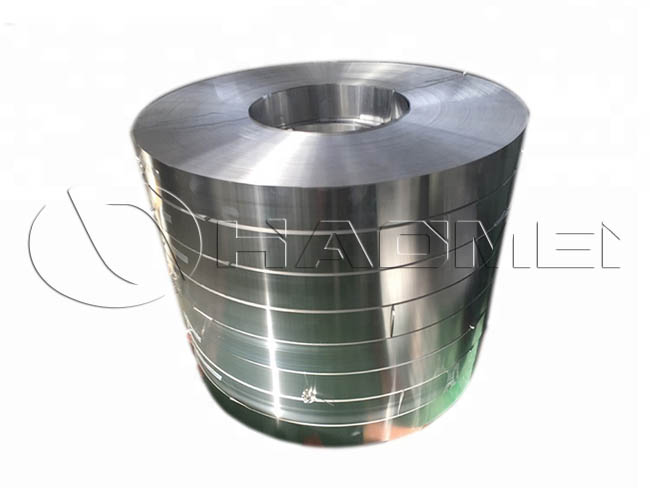
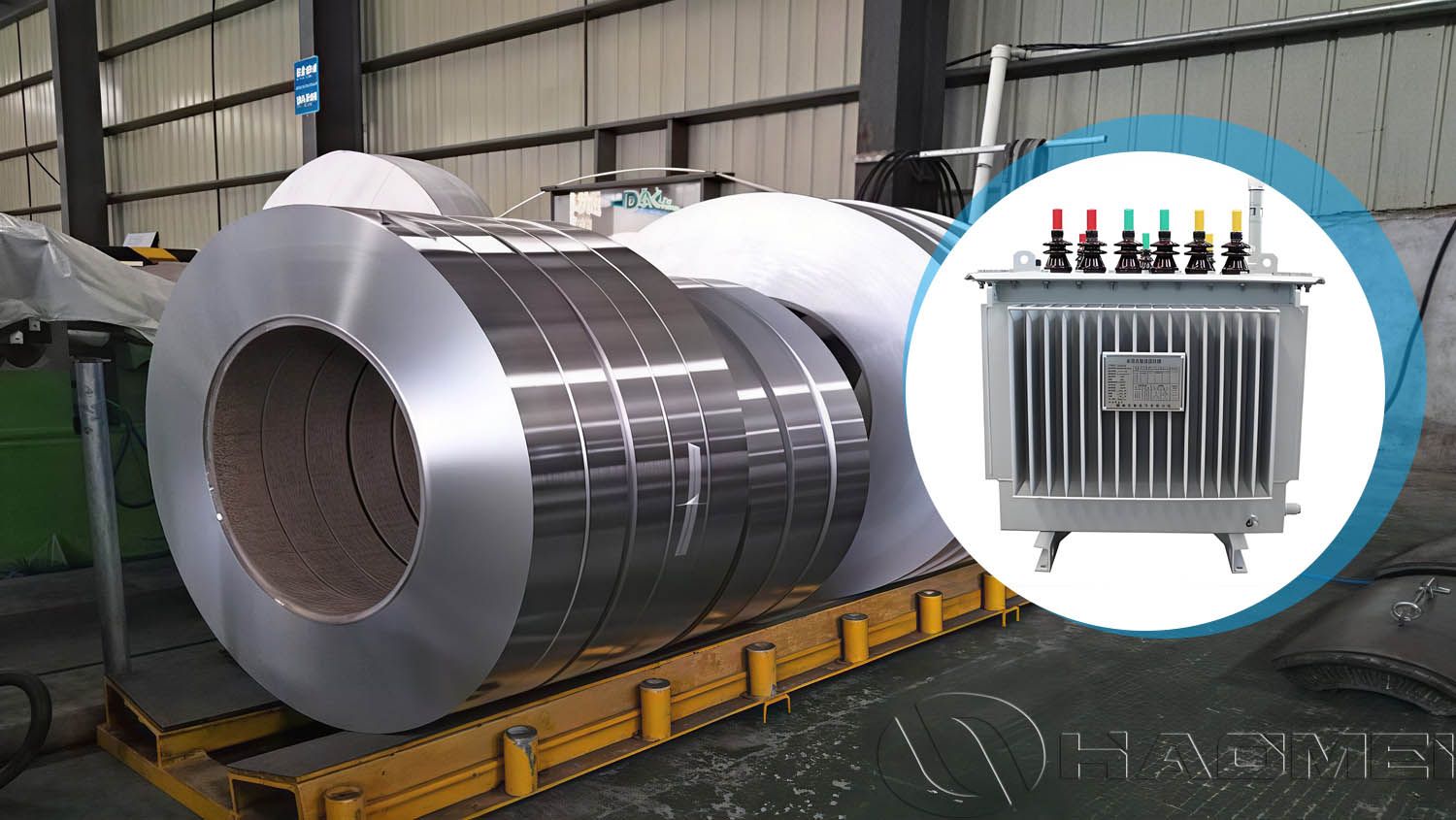
1060 polished aluminum strip is a core conductive material for manufacturing low-voltage foil windings in distribution transformers. With an aluminum content exceeding 99.6%, it belongs to the industrial pure aluminum series and provides excellent electrical conductivity of ≥61.5% IACS. Compared with conventional copper windings, it can reduce material costs by approximately 30%–50%, making it widely used in dry-type distribution transformers and renewable-energy transformers.
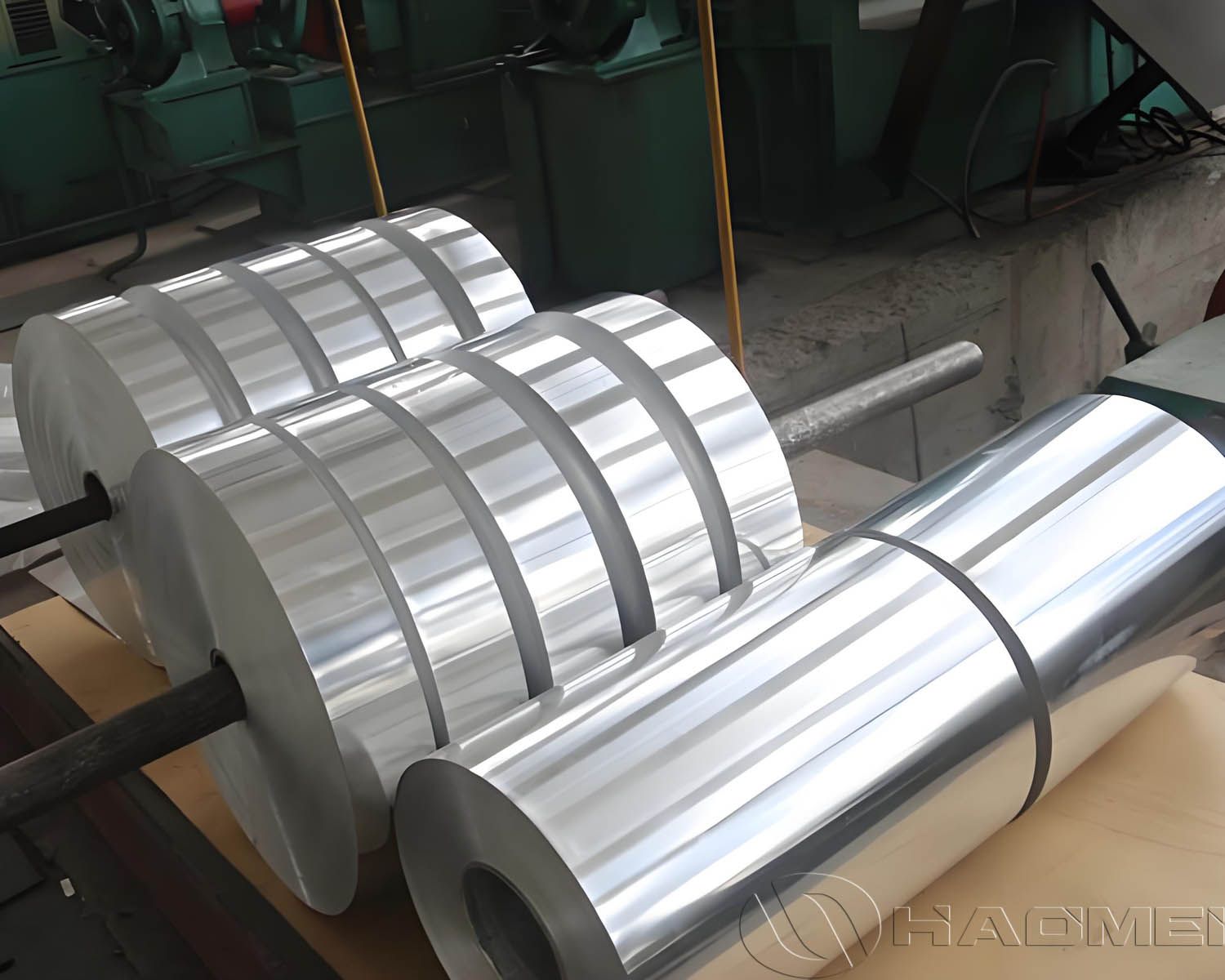
The surface of the 1060 aluminum strip is polished and thoroughly cleaned to ensure a smooth finish free from bright spots, oil stains, scratches, and other visible defects. High-precision polishing helps prevent minor surface protrusions from puncturing insulation layers, such as interlayer insulating paper or film, thereby reducing the risk of partial discharge.
1060 transformer aluminum strip is generally supplied in O temper (annealed condition). In the O temper, elongation after fracture can reach more than 25%, enabling the strip to withstand repeated bending and interlayer compression during winding without cracking or breaking easily. For conventional power-frequency distribution transformers, 1060-O aluminum strip can meet standard design requirements.
Specifications
| Item | Typical Range / Requirement |
| Alloy | 1060, 1060A |
| Temper | O |
| Thickness | 0.08–3.00 mm |
| Width | 10–1500 mm |
| Electrical Conductivity | ≥61.5% IACS |
| Tensile Strength | ≥130 MPa |
| Elongation | ≥12% |
| Electrical Resistivity | ≤0.02825 Ω·mm²/m |
| Coil Inner Diameter | 150 mm / 300 mm / 400 mm / 500 mm |
| Edge Treatment | Deburred slit edge, rounded edge / round edge |
| Surface Finish | Double-sided polished, mirror-bright finish; single-sided polishing available |
| MOQ | 3 Tons |
Physical and Chemical Properties
| Property | Value |
| Density | 2.7 g/cm³ |
| Thermal Expansion Coefficient | 23 × 10⁻⁶ /°C |
| Melting Point | 660°C |
| Corrosion Resistance | Better corrosion resistance than copper, with good oxidation resistance |
| Temperature Coefficient of Resistance | 0.0039/°C at 20°C |
Product Advantages of 1060 High-Conductivity Polished Aluminum Strip
1. Excellent Electrical Conductivity
1060 aluminum strip typically contains no less than 99.6% aluminum and offers reliable electrical conductivity. It helps reduce winding resistance losses and is suitable for the production of distribution transformer windings.
2. Smooth and Uniform Surface
After polishing, the aluminum strip has a smoother and more uniform surface. This helps reduce the impact of surface imperfections during winding and improves overall winding quality.
3. Good Ductility and Easy Winding Performance
1060 aluminum strip offers excellent plasticity and formability. It is suitable for bending, continuous winding, and multilayer forming, meeting the processing requirements of different transformer winding structures.
4. Precision Slitting and Controlled Burrs
Customized widths and thicknesses are available. Precision slitting helps control edge burrs and dimensional tolerances, reducing the risk of damaging insulation materials during the winding process.
5. Lightweight and Efficient
Aluminum has a lower density than copper. When the conductor cross-sectional area is properly designed, aluminum strip can help reduce transformer winding weight and optimize the overall equipment structure.
6. Good Corrosion Resistance
A natural oxide film forms on the surface of aluminum, providing a certain level of corrosion resistance. Combined with moisture-proof, dust-proof, and scratch-resistant packaging, this helps maintain good surface quality during storage and transportation.
Main Applications
1060 high-conductivity polished aluminum strip is widely used in:
Low-voltage foil windings for oil-immersed distribution transformers, especially 10 kV/0.4 kV distribution transformers;
Dry-type distribution transformer windings;
Amorphous alloy transformer aluminum windings;
Conductive windings for reactors, voltage stabilizers, and small power transformers;
Aluminum coil conductors for renewable-energy package transformers, pole-mounted transformers, photovoltaic step-up transformers, and distribution-area transformers.
Why Choose 1060 Aluminum Strip for Transformer Windings?
In distribution transformer manufacturing, aluminum strip windings have become an important material choice for many transformer producers due to their light weight, controllable cost, stable supply, and convenient processing performance.
Compared with copper, aluminum has a lower density and can significantly reduce coil weight under the same volume conditions. At the same time, 1060 aluminum strip offers good plasticity and elongation, making it easy to process into winding conductors of different widths and thicknesses.
For properly designed transformer products, high-conductivity 1060 aluminum strip can help optimize overall manufacturing costs while meeting electrical and mechanical performance requirements.
It should be noted that aluminum and copper windings differ in conductor cross-sectional area design, jointing methods, temperature-rise control, and terminal connection methods. Customers are advised to determine the appropriate aluminum strip dimensions and technical specifications according to transformer design standards, rated capacity, loss requirements, and operating conditions.
Quality Control Process
To ensure that the product meets transformer winding requirements, we implement multi-stage quality control throughout raw material inspection, production, and final delivery.
1. Raw Material Composition Inspection
Aluminum ingots and aluminum coils are tested and controlled to ensure compliance with 1060 alloy composition requirements.
2. Rolling Thickness Monitoring
Thickness uniformity is monitored during cold rolling and finishing processes to ensure stable and accurate dimensions.
3. Annealing Performance Control
Annealing parameters are controlled according to the customer’s required temper, balancing ductility, strength, and winding performance.
4. Surface Quality Inspection
Surface brightness, scratches, dents, oil stains, oxidation defects, and other appearance issues that may affect use are carefully inspected.
5. Edge Quality Inspection
Slitting quality is strictly controlled to minimize burrs, edge cracks, curled edges, and serrated edges.
6. Dimensional and Coil Inspection
Thickness, width, coil diameter, coil weight, inner diameter, and packaging condition are inspected by sampling or full inspection as required.
7. Final Inspection Before Shipment
After passing final quality inspection, the finished aluminum strips are packed with moisture-proof, anti-oxidation, and anti-impact protection to ensure safe transportation.