 Contact Us
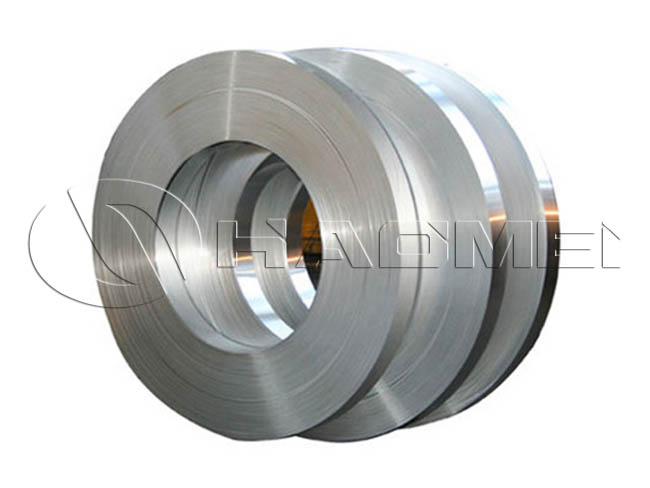
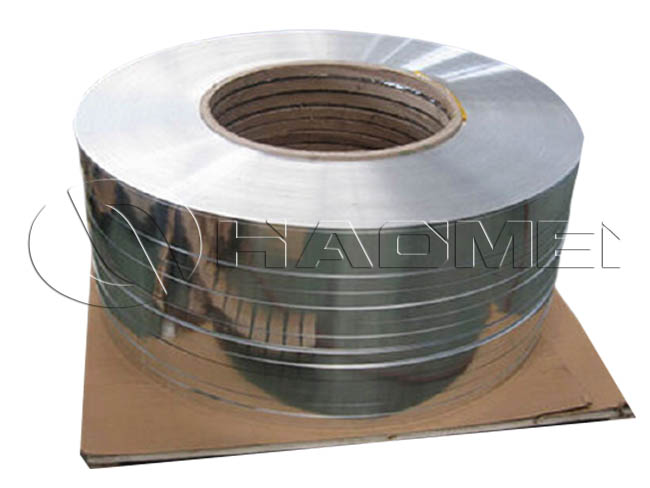
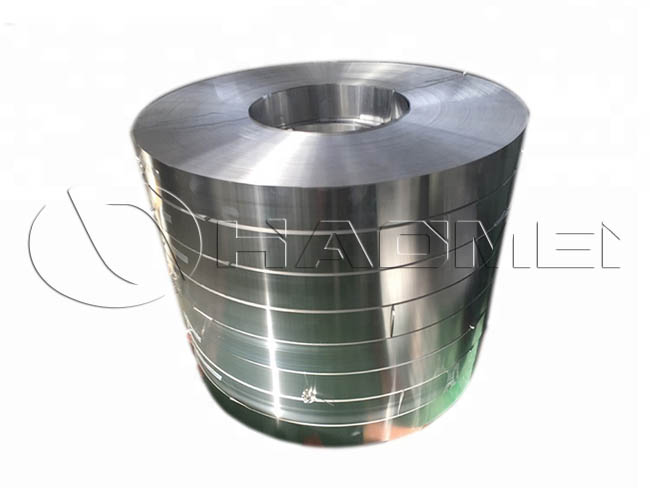
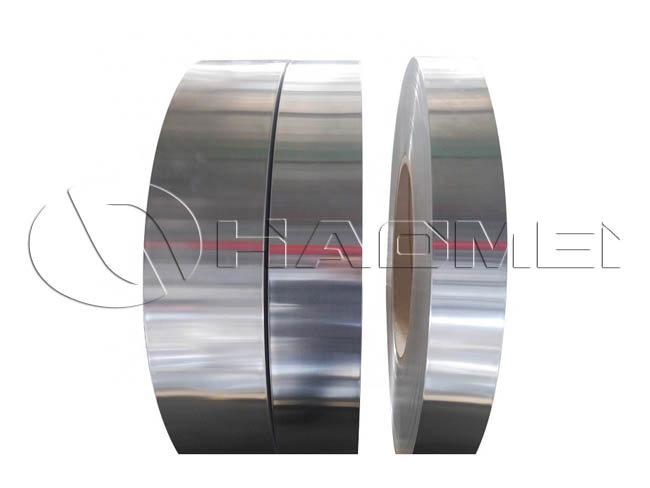
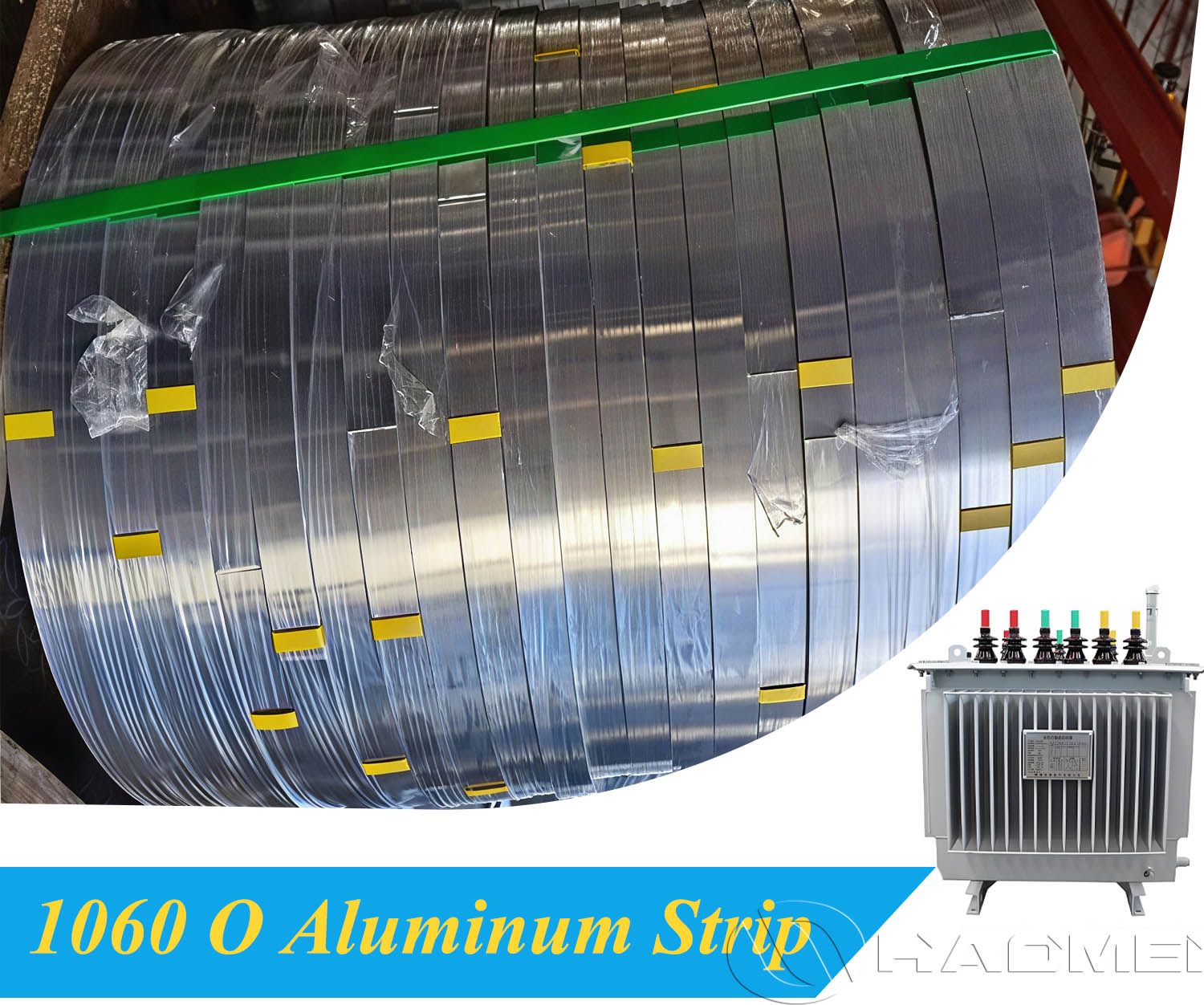
1060 narrow aluminum strip is an industrial aluminum strip made primarily from high-purity aluminum, with an aluminum content generally not less than 99.60%. With excellent electrical conductivity, thermal conductivity, ductility, and processing performance, 1060 aluminum strip is widely used in transformer windings, low-voltage coils, dry-type transformers, power transformers, and various electrical equipment manufacturing applications.
In the transformer industry, 1060 narrow aluminum strip generally refers to slit aluminum strip with a relatively narrow width and strict control over thickness and edge quality. It can replace copper conductors in certain applications, helping manufacturers reduce raw material costs while meeting the conductivity and forming requirements of conventional transformer windings.
Compared with ordinary industrial aluminum strip, 1060 narrow aluminum strip for transformer windings places greater emphasis on the following properties:
Electrical conductivity: This affects conductor resistance, load losses, and temperature-rise design.
Dimensional accuracy: Thickness and width must comply with winding drawings and technical specifications.
Edge quality: Burrs, edge waves, and edge defects may damage insulation materials.
Surface quality: The surface should be clean and flat to ensure insulation compatibility and smooth subsequent processing.
Coil stability: Coil diameter, coil weight, tension, and flatness should be suitable for continuous operation on winding equipment.
Therefore, 1060 narrow aluminum strip is not simply a slit product made from ordinary aluminum coil. It is a specialized aluminum material that must be controlled according to both electrical performance requirements and winding processing requirements.
Common Specifications of 1060 Narrow Aluminum Strip
1060 narrow aluminum strip for transformer windings can be customized according to customer equipment, winding design, and processing requirements. Common specifications include:
| Item | Common Range / Requirement |
| Alloy Grade | 1060, 1060A |
| Aluminum Content | Not less than 99.60% |
| Thickness | 0.10 mm–3.00 mm |
| Width | 10 mm–300 mm |
| Length | 1,000 mm–16,000 mm |
| Inner Diameter | 150 mm, 200 mm, 300 mm, 400 mm, or customized |
| Coil Weight | Customized according to customer requirements |
| Temper | O, H14, H16, H18, etc. |
| Electrical Conductivity | 61%–61.5% IACS |
| Surface Finish | Bright finish, degreased, clean surface, or customized treatment |
| Edge Treatment | Slit edge, deburred edge, or rounded edge, as required |
| MOQ | 3 tons |
| Packaging | Moisture-proof packaging, pallet packaging, or wooden case packaging, depending on transportation requirements |
Among these options, aluminum strip for transformer windings is generally supplied in O temper soft aluminum or semi-hard temper. The specific temper should be selected based on the winding machine, coil structure, subsequent insulation processing, and customer technical requirements.
Why Is 1060 Narrow Aluminum Strip Suitable for Transformer Windings?
1. Good Electrical Conductivity
With an aluminum content of no less than 99.60%, 1060 aluminum strip provides relatively high electrical conductivity when supplied in a suitable annealed condition. Its conductivity is generally around 61%–61.5% IACS, making it suitable for many distribution transformers designed with aluminum windings.
2. Excellent Ductility for Continuous Winding
In O temper, or annealed soft condition, 1060 aluminum strip has good flexibility and ductility. It can withstand bending and forming during the winding process, helping reduce the risk of edge cracking or localized deformation.
3. Lower Manufacturing Cost
The market price of aluminum is generally lower than that of copper. For transformer products that require a significant amount of conductor material, using 1060 aluminum strip can substantially reduce raw material procurement costs while meeting design requirements.
4. Reduced Overall Transformer Weight
The density of aluminum is approximately 2.7 g/cm³, while the density of copper is approximately 8.9 g/cm³. At the same volume, aluminum strip weighs much less than copper strip. Therefore, aluminum windings can help reduce the overall weight of transformers, making transportation, installation, and maintenance easier.
5. Flat Surface for Better Insulation Compatibility
For transformer windings, the surface and slit-edge quality of aluminum strip are highly important. Proper rolling, slitting, and deburring processes can reduce the risk of sharp edges mechanically damaging insulation paper, insulation film, and other insulating components.
6. Narrow Width Slitting for Flexible Dimension Matching
1060 aluminum coil can be slit into narrow aluminum strips of various widths according to transformer design requirements. This allows the conductor dimensions to match the winding window, turn arrangement, and winding equipment. Accurate width and thickness control helps improve winding alignment and coil dimensional consistency.
7. Good Thermal Performance
1060 narrow aluminum strip has good thermal conductivity, which helps dissipate heat effectively and improves the cooling performance and operational reliability of transformers.
8. Good Corrosion Resistance
The surface of 1060 transformer aluminum strip naturally forms a dense oxide film. This film provides good oxidation resistance and corrosion resistance in general industrial atmospheric environments.
Production Process of 1060 Transformer Aluminum Strip
The typical production process for 1060 narrow aluminum strip for transformers is as follows:
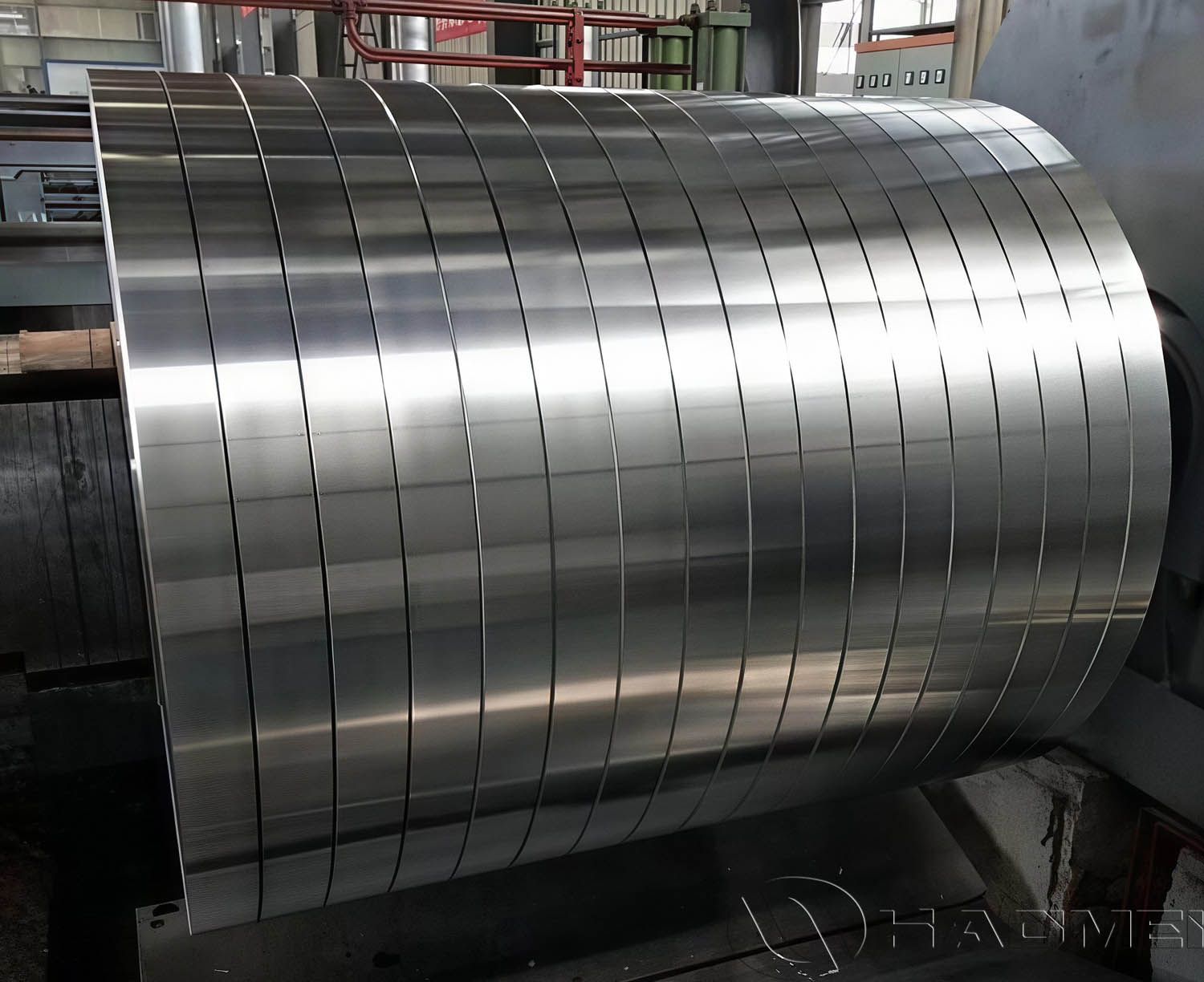
Aluminum ingot → Hot rolling → Cold rolling into wide master coil → Annealing for O temper softening → Precision slitting into the required narrow widths → Edge deburring → Surface cleaning → Appearance and performance inspection → Recoiling into smaller coils → Packaging and delivery
Edge deburring is a critical process. If burrs remain on the slit edges, they may cut or damage inter-turn insulation during winding, creating potential safety risks for transformers. High-quality 1060 narrow aluminum strip for transformer windings is usually supplied with rounded or deburred edges, which is a detail that may be overlooked by ordinary aluminum slitting processors.
Quality Requirements for 1060 Narrow Aluminum Strip Used in Transformers
Transformer windings require high-quality aluminum strip. In particular, thickness precision, edge quality, and surface cleanliness directly affect winding efficiency and electrical safety.
1. Uniform Thickness
The thickness of the aluminum strip should remain stable without significant local thickening, thinning, or fluctuation. Uneven thickness may cause irregular winding layers and affect coil dimensions and insulation structure.
2. Accurate Width
The width of the narrow aluminum strip must meet winding design requirements. The edges should be straight and neat. Excessive width deviation may affect winding alignment and increase setup and adjustment time.
3. Strict Burr Control
Excessive burrs on the aluminum strip edges can easily scratch insulation paper, insulation films, or coatings. In severe cases, this may lead to inter-turn short circuits or interlayer electrical breakdown. Therefore, transformer aluminum strip is generally produced using high-precision slitting equipment to ensure smooth edges without obvious burrs, edge curling, or other defects.
4. Clean Surface Without Defects
High-quality 1060 narrow aluminum strip should have a flat and clean surface. It should be free from defects that may affect use, including scratches, dents, oil stains, oxidation marks, cracks, peeling, inclusions, and similar imperfections.
5. Stable Electrical Conductivity
As a conductor material for windings, aluminum strip must maintain stable electrical conductivity. Buyers may request a mill test certificate, chemical composition report, and electrical conductivity test data from the supplier.
Main Applications
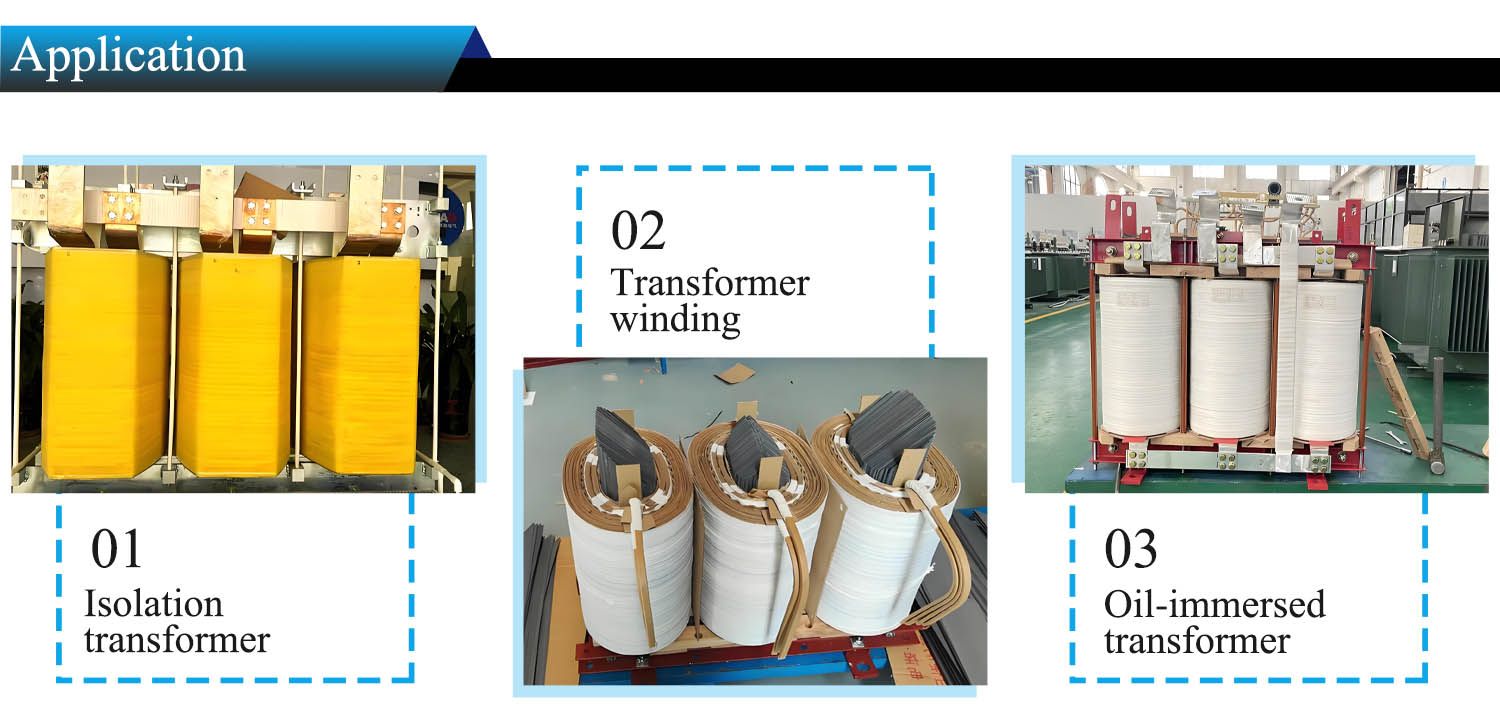
The core applications of 1060 transformer aluminum strip include low-voltage windings for oil-immersed distribution transformers and dry-type transformers.
Typical applications include:
Low-voltage windings for distribution transformers, including continuously wound aluminum coils, aluminum foil windings, and aluminum strip windings. These can replace conventional copper windings to reduce material costs.
Aluminum conductor windings for small dry-type transformers, isolation transformers, and reactors.
Conductive strip materials for instrument transformers, small power inductors, and electrical coils.
Narrow conductive strips for certain energy storage cabinets and dry-type reactors.
FAQ
Q1: What material is 1060 narrow aluminum strip for transformer windings?
It is a precision-slit aluminum strip made from 1060 industrial pure aluminum. It is usually supplied in coil form and is mainly used as a winding conductor material for transformers designed with aluminum conductors.
Q2: What is the electrical conductivity of 1060 aluminum strip?
A typical reference value is approximately 61%–61.5% IACS. The actual conductivity should be determined according to product temper, test conditions, and the acceptance standards specified in the contract.
Q3: What temper is generally used for 1060 aluminum strip in transformer windings?
1060 aluminum strip for transformer windings is commonly supplied in O temper, also known as annealed soft temper, to meet continuous winding and forming requirements. Other tempers may be used for special designs, depending on winding specifications.
Q4: Can the width and thickness of 1060 narrow aluminum strip be customized?
Yes. Width and thickness can be customized according to the supplier’s production capacity and order requirements. When purchasing, customers should specify the thickness, width, tolerances, coil inner diameter, coil weight, and edge treatment requirements.
Q5: What is the difference between 1060 aluminum strip and copper windings?
1060 aluminum strip has advantages in material weight and cost because of its lower density. However, its electrical conductivity is lower than that of copper. To achieve the same resistance target, an aluminum conductor generally requires a larger cross-sectional area. Therefore, conductor size, losses, temperature rise, connection methods, and total transformer cost should all be considered when comparing aluminum and copper windings.