 Contact Us
During the design and manufacturing of power transformers, the electrical conductivity, mechanical properties, processing consistency, and long-term reliability of winding conductor materials directly affect transformer efficiency, operational safety, and service life.
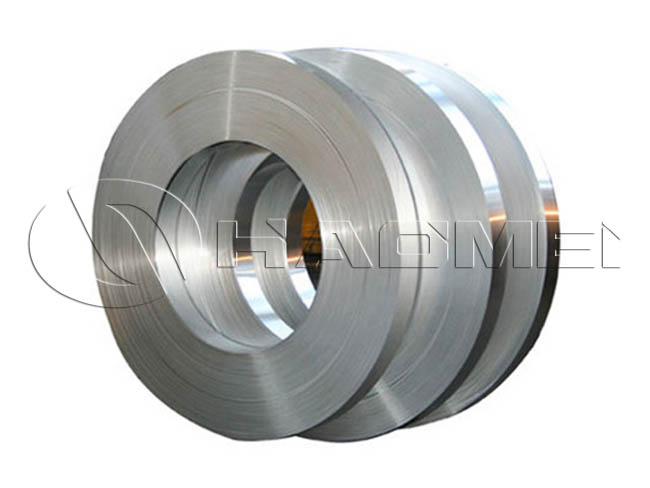
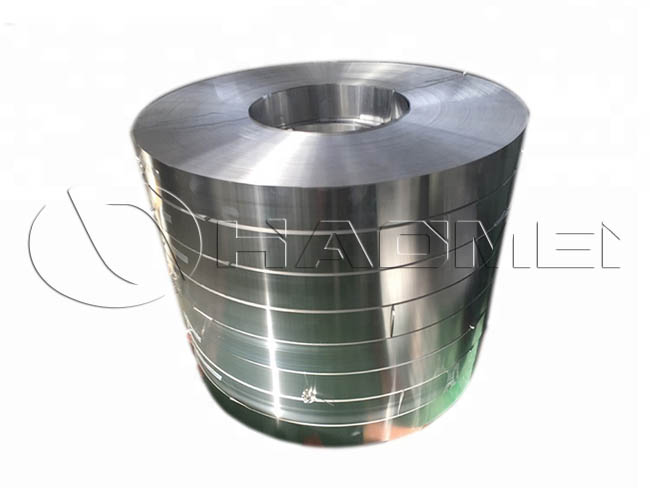
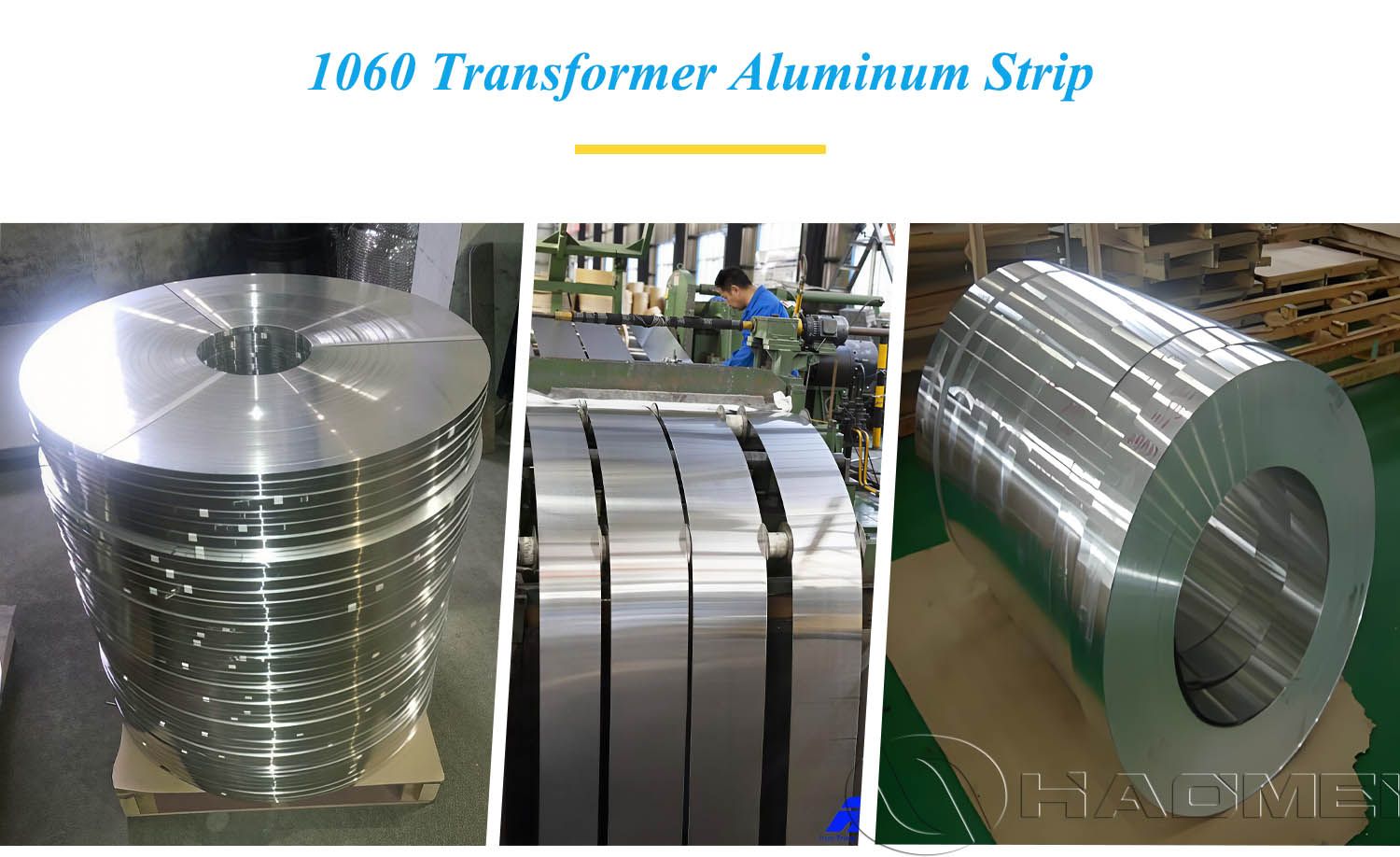
ASTM standard 1060 H0/O aluminum strip, also known as 1060 O temper soft aluminum strip, is made from high-purity aluminum with an aluminum content of no less than 99.6%. Produced in accordance with ASTM B209 requirements and processed through a complete annealing procedure, it is one of the most commonly used aluminum strip materials for low-voltage transformer windings.
With electrical conductivity of no less than 61.5% IACS, 1060 H0/O aluminum strip is suitable for oil-immersed transformers, dry-type transformers, distribution transformers, reactors, and other electrical equipment.
The O temper, or fully annealed soft temper, eliminates internal stress within the material and provides excellent flexibility and elongation. During winding on fully automatic foil winding machines, the aluminum strip can closely conform to the winding mandrel. It resists cracking and wrinkling during small-radius bending, making it ideally suited for continuous transformer foil winding processes.
Core Technical Parameters — ASTM Standard 1060 H0/O Aluminum Strip
| Item | Specification |
| Alloy Grade | 1060 |
| Temper | HO/O, fully annealed soft temper |
| Aluminum Purity | ≥ 99.6% |
| Thickness | 0.08–3.0 mm |
| Width | 10–1500 mm, available in customized slit widths |
| Length | 1000–16000 mm |
| Electrical Conductivity | ≥ 61.5% IACS at 20°C |
| Electrical Resistivity | ≤ 0.02825 Ω·mm²/m |
| Tensile Strength | 60–95 N/mm² |
| Elongation After Fracture | ≥20% for thicknesses of 0.08–0.20 mm; ≥25% for thicknesses of 0.20–3.0 mm |
| Density | 2.703 g/cm³, approximately one-third that of copper |
| Coil Inner Diameter | 150 / 300 / 400 / 500 mm, customizable |
| Surface Quality | Smooth and clean, free from oil stains, scratches, waviness, and black spots |
| Edge Treatment | Round-edge or pressed-edge treatment available; burr height controlled to 0.01–0.03 mm |
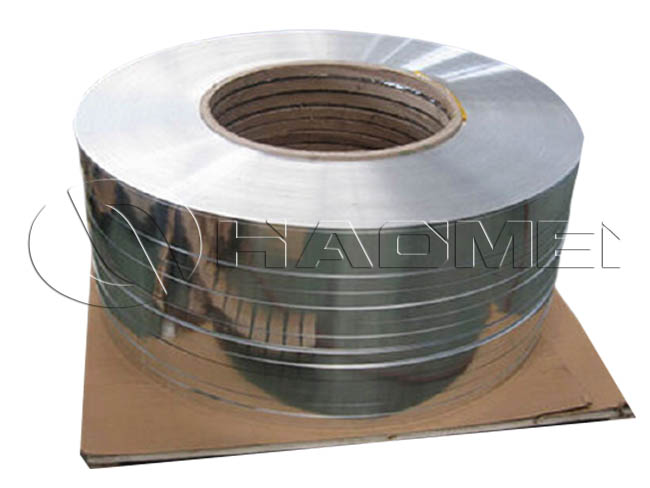
| Packaging | Interleaved paper separation packaging available upon request |
| MOQ | 3 tons |
The low-burr edge treatment helps prevent sharp edges from puncturing insulation paper, thereby improving the reliability of the transformer insulation system.
Key Advantages of ASTM 1060 O Aluminum Strip in Power Transformers
Compared with conventional copper windings or other aluminum alloy conductors, ASTM 1060 H0/O aluminum strip provides significant technical and economic advantages in transformer coil manufacturing.
1. Excellent Electrical and Thermal Conductivity
With an aluminum purity of up to 99.6%, 1060 aluminum strip offers electrical conductivity above 61% IACS. It can meet transformer current-carrying requirements while helping reduce DC resistance losses through appropriate conductor cross-section design.
Its good thermal conductivity also supports heat dissipation from transformer windings, contributing to stable operation and temperature-rise control.
2. Outstanding Ductility and Formability
In the H0/O soft temper condition, 1060 aluminum strip offers high elongation and excellent flexibility. It can achieve tight, uniform, and gap-free layer winding during high-speed operation of foil winding machines.
When used together with insulation materials such as DDP cable paper or epoxy resin coated insulation paper, it can improve the transformer winding fill factor and help create a more compact, stable winding structure.
Its soft annealed condition also allows the material to withstand small-radius bending without cracking, wrinkling, or excessive springback.
3. Significant Cost Efficiency and Lightweight Benefits
In periods of high and fluctuating copper prices, aluminum offers a clear cost advantage. Using 1060 aluminum strip to replace copper conductors in suitable transformer designs can substantially reduce raw material costs for transformer manufacturers.
In addition, aluminum has a density of only about one-third that of copper. The use of aluminum windings can significantly reduce the overall weight of large power transformers, helping lower transportation, handling, and installation costs.
4. Excellent Non-Magnetic and Corrosion Resistance Properties
Pure aluminum naturally forms a dense aluminum oxide film when exposed to air. This protective oxide layer provides good resistance to atmospheric corrosion and contributes to the long-term reliability of transformer windings.
As a non-magnetic material, 1060 aluminum strip is also well suited for electrical equipment requiring stable electromagnetic performance.
5. Precision Slitting with Low Burr Edges
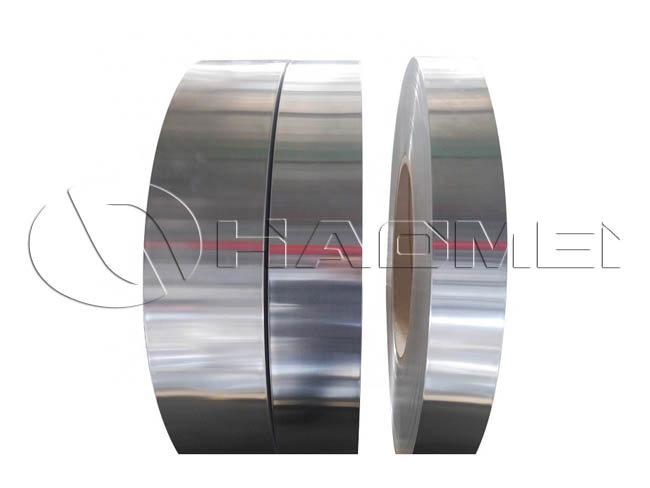
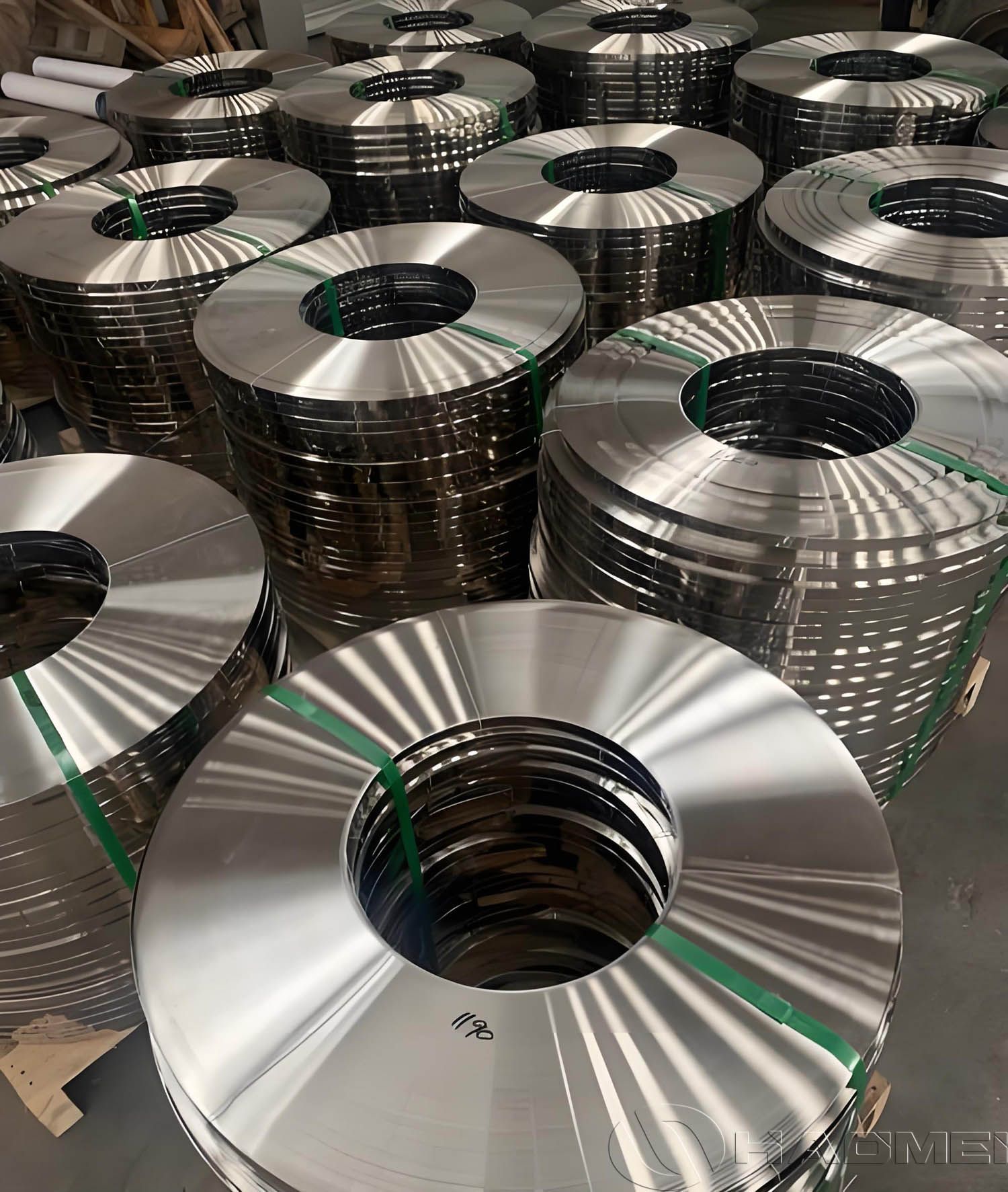
1060 transformer aluminum strip is precision-slit in accordance with ASTM-related quality requirements. Edge rounding or edge pressing treatments can be applied to control burr height strictly.
Low-burr edges are particularly important for transformer winding applications because sharp burrs may damage insulation paper under high-voltage conditions. Proper edge treatment helps protect the insulation system, improve dielectric strength, and extend transformer service life.
Main Applications of 1060 H0/O Aluminum Strip in Power Transformers
1. Low-Voltage Foil Windings for Dry-Type Transformers
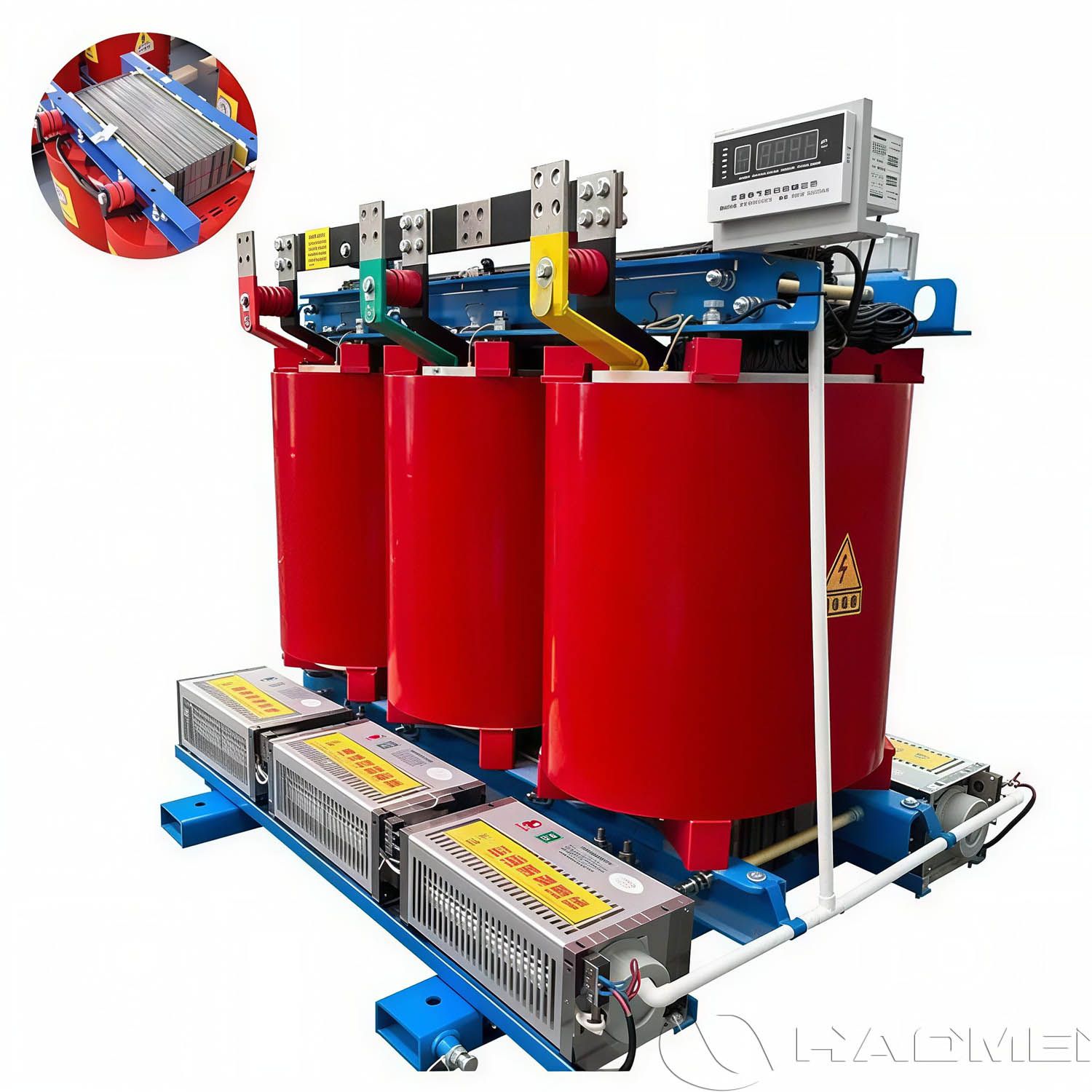
Dry-type transformers represent one of the largest application areas for 1060 H0/O aluminum strip. Foil windings are produced by continuously winding full-width aluminum strip, with insulation paper placed between layers.
This winding structure offers high production efficiency, uniform electric field distribution, and strong short-circuit resistance. Soft annealed 1060 aluminum strip is a standard material for low-voltage windings in dry-type transformers and is widely used in:
Building power distribution systems
Data center transformers
Rail transit power supply systems
Commercial and industrial dry-type transformers
Renewable energy distribution equipment
2. Low-Voltage Windings for Oil-Immersed Distribution Transformers
1060 O temper aluminum strip is widely used in the low-voltage windings of oil-immersed distribution transformers for urban and rural power grids.
The material has good compatibility with transformer mineral oil when properly processed and maintained in a clean surface condition. It is suitable for 10 kV class distribution transformers and related power distribution applications.
3. Renewable Energy Box Transformers and Wind / Solar Step-Up Transformers
Box-type transformers used in wind power and photovoltaic power stations often operate in outdoor environments with significant temperature fluctuations and demanding service conditions.
ASTM 1060 H0/O aluminum strip provides stable performance and lightweight benefits, making installation and transportation more convenient. It is therefore a mainstream conductor material for low-voltage windings in renewable energy transformers.
4. Reactors, Smoothing Reactors, and Inductor Coils
1060 H0/O aluminum strip can also be used in foil-wound coils for power reactors, smoothing reactors, filter inductors, and other high-power inductive equipment.
Its good conductivity, flexibility, and winding performance enable it to meet the current-carrying requirements of large-capacity electrical coils.
Quality Control of 1060 Transformer Aluminum Strip
As a critical industrial material directly related to grid safety and transformer reliability, high-quality 1060 transformer aluminum strip must be strictly controlled throughout production.
1. Edge Quality — Burr-Free or Low-Burr Edges
Transformer aluminum strip must be free from excessive burrs, sharp edges, and severe edge waviness after slitting. Even small burrs can puncture interlayer insulation paper under high-voltage stress, potentially causing turn-to-turn short circuits.
High-standard products are typically manufactured using precision rotary slitting and edge dulling or rounding processes to ensure smooth, reliable edges.
2. Surface Cleanliness
Rolling oil, dust, and other contaminants must be effectively controlled. Residual surface oil may affect the curing strength of epoxy resin or influence the electrical performance of transformer insulating oil.
The aluminum strip surface should be clean, smooth, and free from visible oil stains, black spots, oxidation marks, scratches, and other defects that may affect insulation performance.
3. Thickness Tolerance Control
Thickness consistency along the full length of the strip is essential for maintaining uniform coil resistance and stable winding dimensions. Excessive thickness variation may cause uneven resistance distribution, localized overheating, or winding size deviation.
Therefore, transformer aluminum strip should be produced with strict thickness tolerance control.
4. Flatness and Shape Control
Good strip shape ensures stable operation during high-speed and continuous winding. Severe edge waves, center buckles, curl, camber, or uneven coil tension may lead to loose winding, local wrinkling, insulation displacement, and inconsistent winding pressure.
Flatness control is therefore a key quality requirement for transformer foil winding materials.
5. Coil Quality and Protective Packaging
Aluminum strip coils should be wound neatly with appropriate tension. Coil defects such as collapse, telescoping, edge damage, pressure marks, and interlayer slipping should be avoided.
Packaging must provide protection against moisture, dust, impact, and deformation. For long-distance transportation, export shipments, and storage in humid environments, reliable moisture-proof sealing, protective wrapping, and wooden pallet or wooden case reinforcement are recommended.
1060 H0/O Aluminum Strip vs. 1070 and 1350 Aluminum Strip
1060 HO/O: Offers a balanced price-to-performance ratio with an electrical conductivity of ≥61.5% IACS. It is the most versatile option and the preferred choice for low-voltage windings in the vast majority of distribution transformers and dry-type transformers.
1070 O: Features higher purity and slightly better electrical conductivity, but comes at a higher cost. It is used for high-end transformers that require strict adherence to loss specifications.
1350 O: A grade specifically designed for electrical applications, offering superior electrical conductivity. It is primarily used for high-performance electrical conductors and carries a higher price point.