 Contact Us
With the increasing requirements for safety, lightweight design, and installation efficiency in power transmission systems, traditional steel tape or steel wire armored cables have gradually exposed several limitations, such as heavy weight, complicated installation, and insufficient corrosion resistance.
Against this background, aluminum strip for interlocked armored cables has become an important direction for industry upgrading.
What Is Aluminum Strip Interlocked Armored Cable?
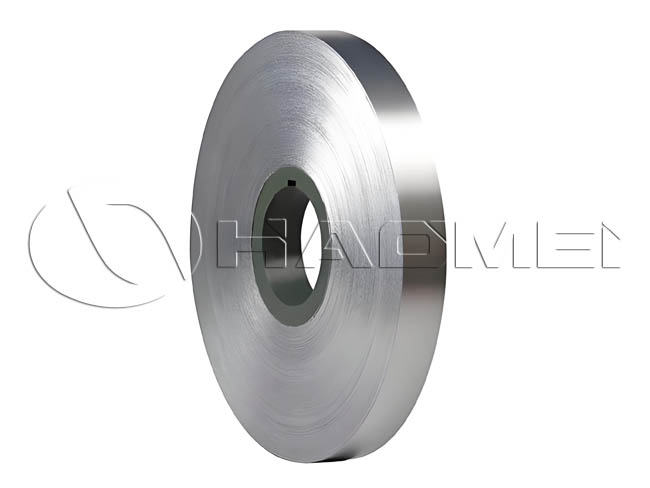
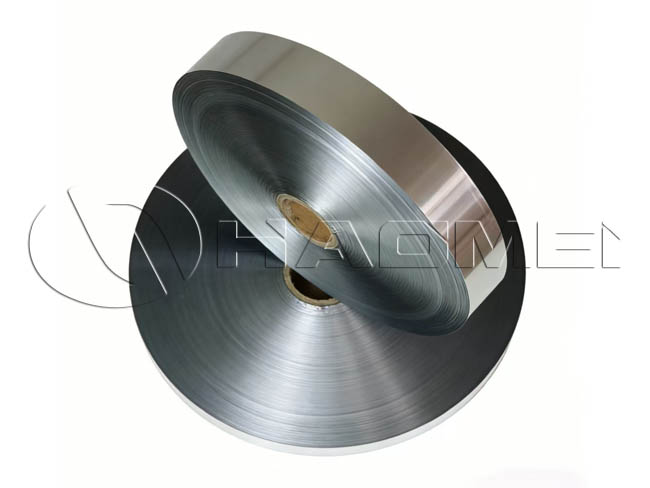
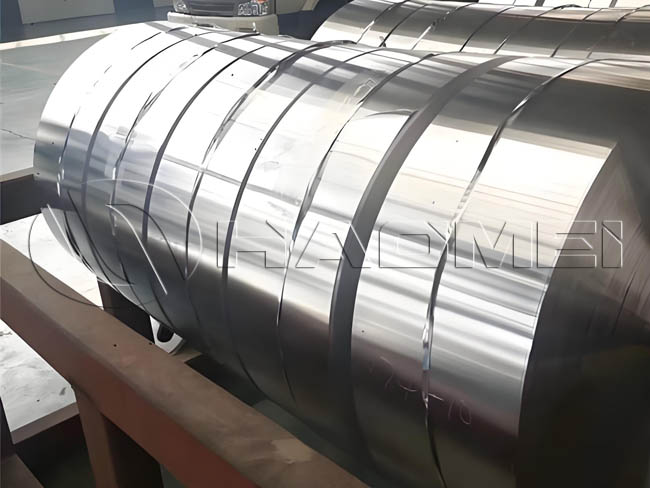
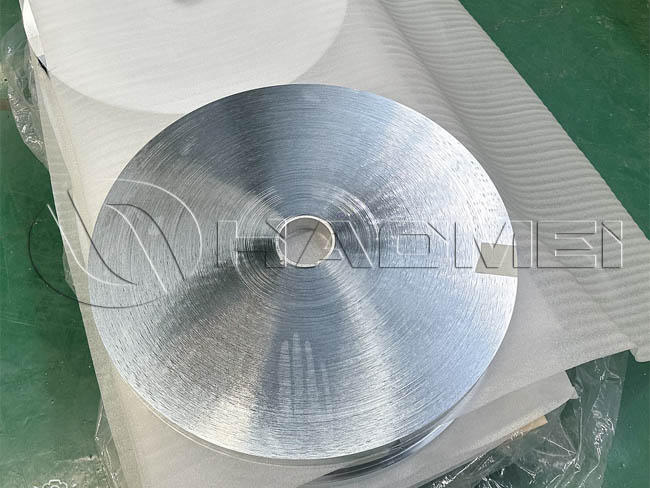
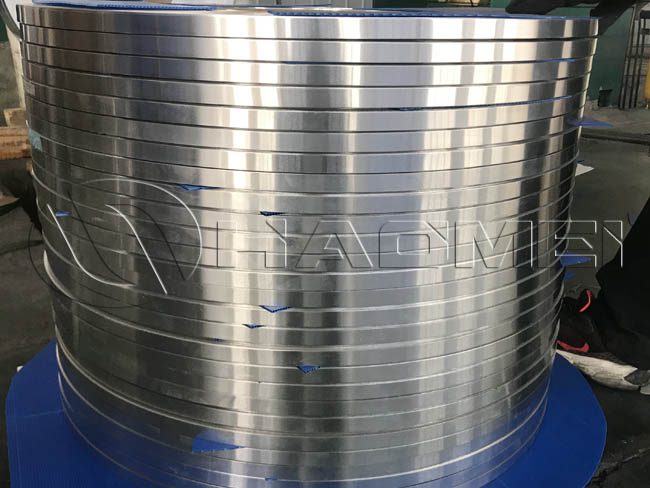
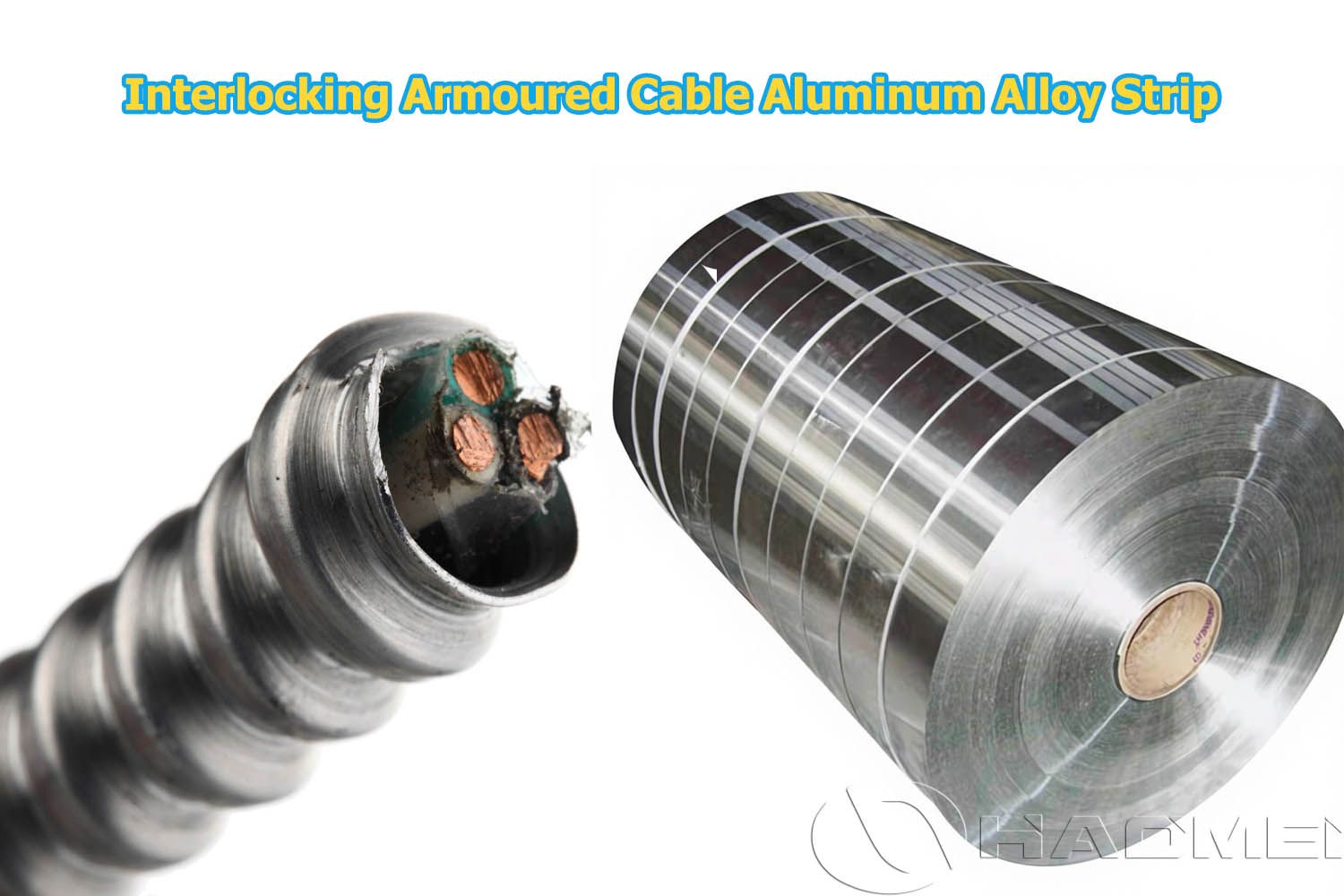
Aluminum strip interlocked armored cable uses aluminum alloy strip, such as 5052 and 5154 aluminum strip, to form a continuous spiral interlocked protective layer on the outer layer of the cable through a mechanical interlocking forming process.
Compared with traditional steel tape wrapping or steel wire braided structures, aluminum interlocked armor provides higher structural integrity and better flexibility.
Structural Comparison with Traditional Armored Cable
| Item | Aluminum Strip Interlocked Armored Cable | Traditional Steel Tape / Steel Wire Armored Cable |
| Material | Aluminum alloy strip, such as 5052/5154 | Galvanized steel tape or steel wire |
| Structure | Continuous interlocked structure | Wrapped or braided structure |
| Flexibility | High | Relatively low |
| Weight | Lightweight | Heavy |
| Magnetism | Non-magnetic, no eddy current loss | Magnetic, higher eddy current loss |
| Corrosion Resistance | Excellent | General, requires protection |
| Fire Resistance | Excellent | General |
| Heat Dissipation | Excellent | Relatively low |
| Overall Cost | Lower, about 40%–50% reduction | Higher |
| Installation | No cable tray required, easy stripping | Requires cable tray, difficult stripping |
| Service Life | 40+ years, maintenance-free | 15-20 years, requires maintenance |
Core Advantages of Aluminum Strip Interlocked Armored Cable
1. Lightweight and Easy to Install
The density of aluminum alloy is much lower than that of steel, which significantly reduces the overall weight of the cable.
This makes installation easier, especially in high-rise buildings, narrow spaces, complex wiring routes, and projects where labor efficiency is important.
2. Excellent Corrosion Resistance
Aluminum alloy naturally forms a dense oxide film in the air, giving it strong corrosion resistance.
It is suitable for humid environments, underground applications, marine engineering, ports, tunnels, and other corrosive conditions. Compared with steel, aluminum alloy usually does not require additional anti-corrosion coating, which helps extend the service life of the cable.
3. Better Flexibility and Bending Performance
Compared with traditional steel tape armoring, interlocked aluminum armor strip has better bending performance.
It can adapt to complex installation paths, reduce the risk of cable damage during bending, and improve construction flexibility. This is especially beneficial in projects with many turns, limited installation space, or frequent routing changes.
4. Lower Maintenance Cost
Aluminum strip interlocked armored aluminum alloy cables have excellent corrosion resistance and wear resistance, reducing the frequency and cost of maintenance.
For long-term engineering projects, this can significantly lower lifecycle costs.
5. Non-Magnetic Performance
Aluminum alloy is non-magnetic. It can help reduce eddy current losses and provide good electromagnetic shielding performance.
This helps reduce electromagnetic interference, or EMI, and improves signal stability. Therefore, aluminum strip interlocked armored cables are suitable for industrial automation, data transmission systems, intelligent buildings, and other environments requiring stable electrical performance.
6. Better Heat Dissipation
Aluminum alloy has good thermal conductivity. In addition, the interlocked armor structure contains small gaps, which can improve heat dissipation efficiency.
Compared with traditional armored cable structures, heat dissipation efficiency can be increased by approximately 15%–25%, helping reduce long-term operating temperature and extend insulation service life.
7. Environmentally Friendly
Aluminum alloy is 100% recyclable and contains no heavy metals. It can be used in low-smoke, halogen-free cable systems and meets the requirements of green buildings and carbon reduction policies.
This makes aluminum strip interlocked armored cable a more sustainable choice for modern electrical engineering.
Typical Application Fields
Aluminum strip interlocked armored cables are widely used in:
Building power distribution systems
Petrochemical engineering
Metro and tunnel projects
Data centers and industrial automation
Offshore platforms and port facilities
Marine engineering projects
Commercial buildings and public infrastructure
Power transmission and distribution systems
Conclusion
Compared with traditional steel tape or steel wire armored cables, aluminum alloy strip for interlocked armored cables offers obvious advantages in weight reduction, corrosion resistance, installation efficiency, heat dissipation, and overall performance.
It is an important choice for modern power engineering projects moving toward lightweight, efficient, and sustainable development.
For engineering projects that focus on long-term reliability and cost optimization, choosing interlocked armored cable aluminum alloy strip is not only a technical upgrade, but also a dual improvement in economic value and sustainability.