 Contact Us
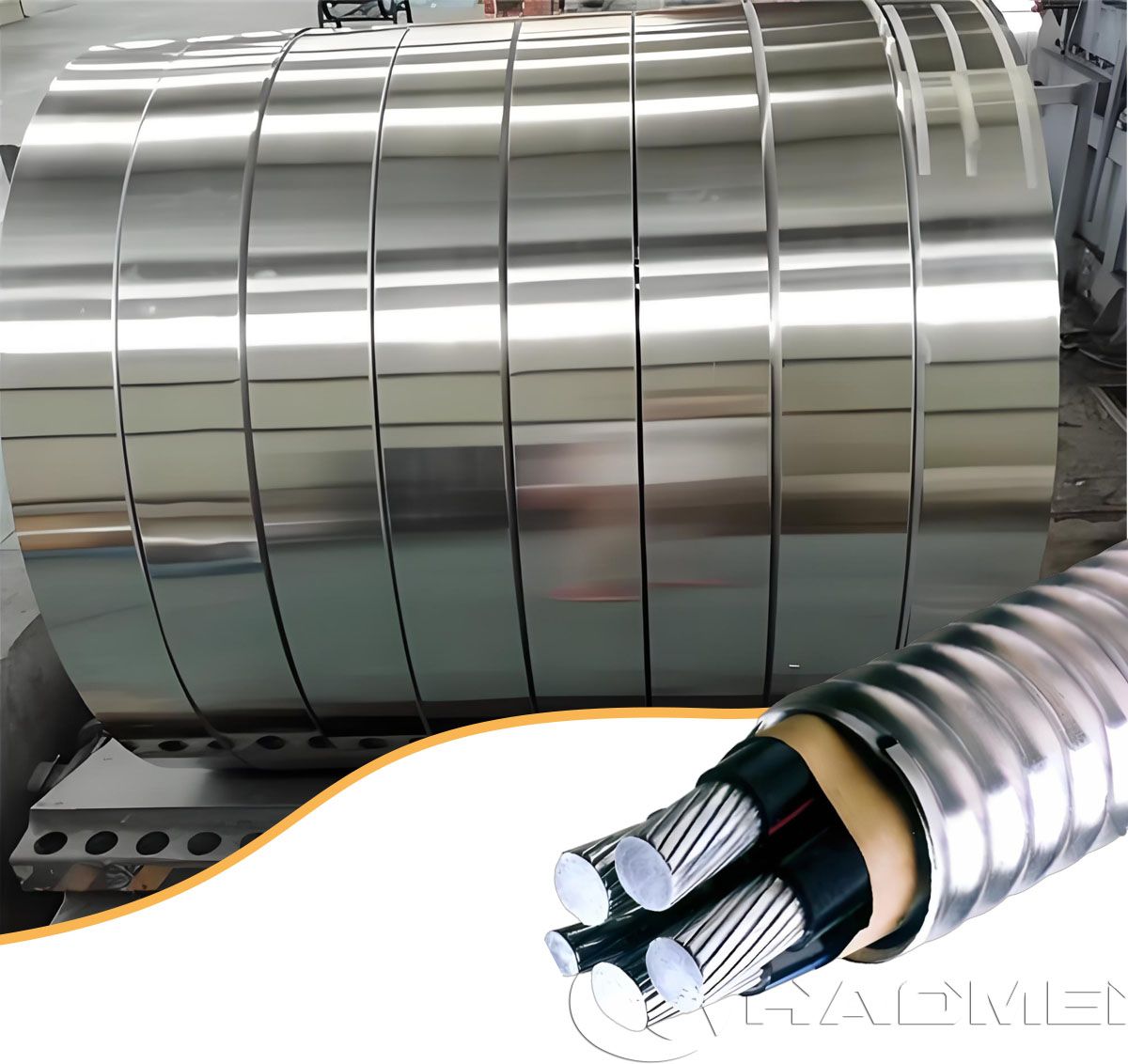
The core feature of an armored cable is the addition of a protective metal armor layer within the cable structure. This armor layer is designed to improve the cable’s mechanical strength, compression resistance, tensile resistance, and environmental adaptability. Traditional armoring materials mainly include steel tape and steel wire. However, with increasing demand for lightweight design, corrosion resistance, and improved installation efficiency, aluminum alloy armored cables have gradually attracted more attention in the market.
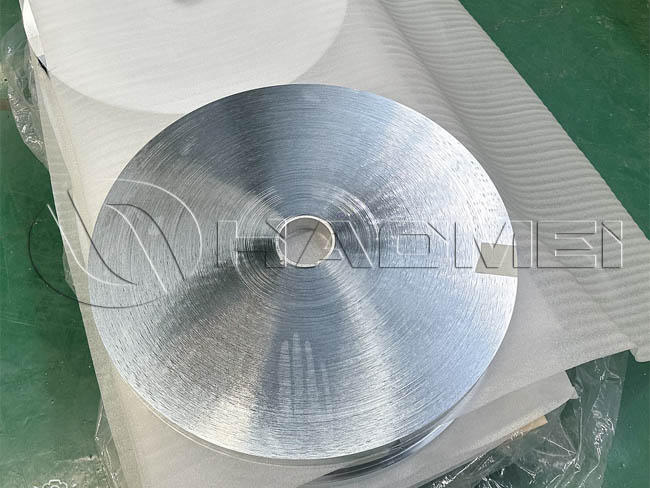
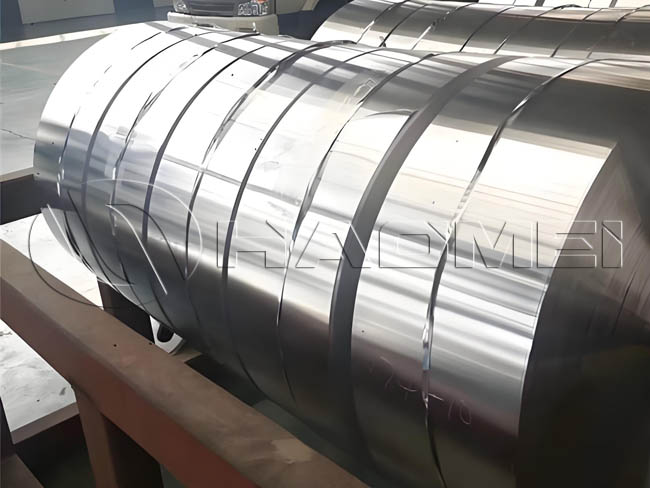
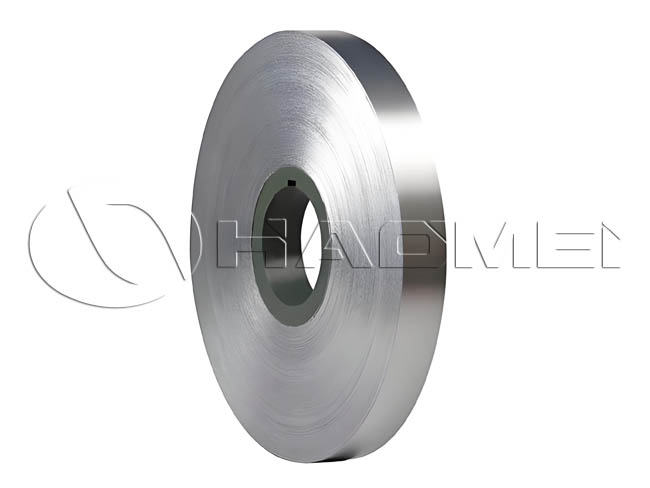
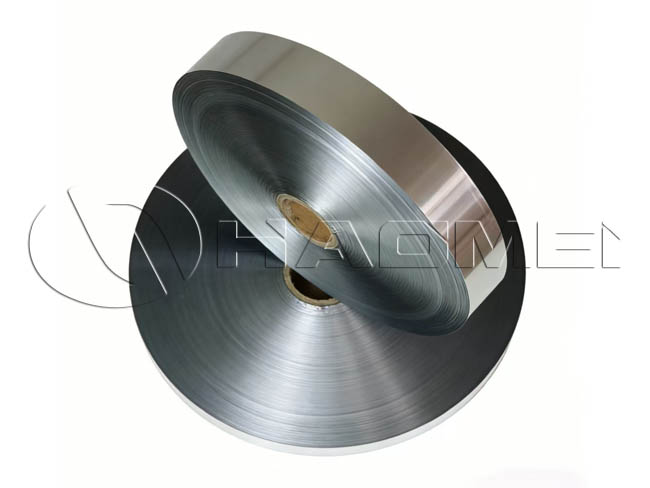
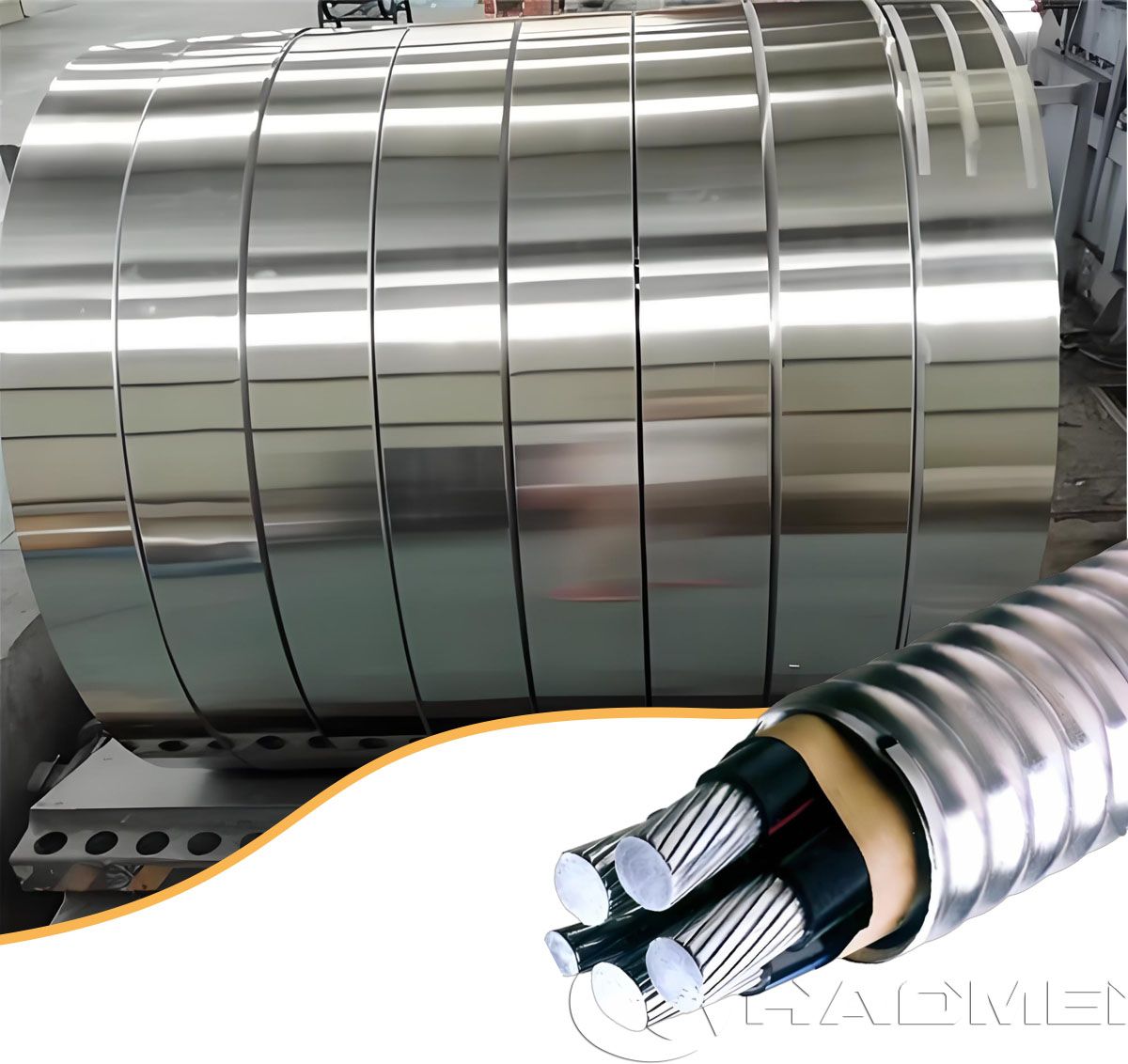
Among aluminum alloy armoring materials, 5052 aluminum strip is widely used in the armored cable industry due to its good strength, excellent corrosion resistance, forming performance, and lightweight advantages.
Materials for Aluminum Alloy Armored Cables
As an aluminum-magnesium alloy, 5052 aluminum strip naturally offers good corrosion resistance. It can effectively protect the internal cable structure from moisture, chemicals, and other environmental factors, making it especially suitable for outdoor, humid, and corrosive environments.
For aluminum alloy armored cables, 5052 aluminum alloy materials are commonly required. The mechanical performance generally needs to reach a tensile strength of 280±10 MPa, with elongation controlled at 5%–8%. If the tensile strength is too low, the appearance of the rolled spiral interlocked armor strip may be poor, and the compression resistance of the aluminum alloy may not meet requirements. If the tensile strength is too high, the aluminum alloy becomes difficult to bend, has excessive elasticity, and is harder to process.
According to the national standard plan, alloys such as 5052, 5754, 5154, and 5154A have been listed as mainstream grades in Aluminum Alloy Strip for Armored Cables. Among them, 5052 alloy has already had decades of successful application history in submarine cable armoring, with minimal loss of mechanical properties.
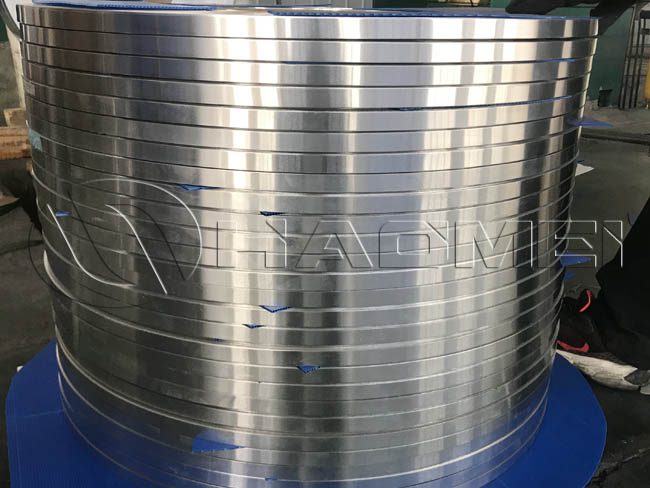
As a professional aluminum strip manufacturer, HAOMEI Aluminum can supply 5052 aluminum strips with thicknesses from 0.4mm to 2.0mm, and widths slit according to customer requirements. Common tempers include H24, H32, and others, fully meeting the armoring requirements of different cable models.
Main Advantages of Aluminum Alloy Armored Cables
1. Strong Mechanical Protection
The armor layer effectively resists external compression, impact, and tensile forces, reducing the risk of cable damage during installation and operation. It is especially suitable for underground direct burial, cable ducts, pipe galleries, cable trays, and other environments, improving operational safety.
2. Lightweight and Easy to Install
The density of aluminum alloy is only about one-third that of steel, significantly reducing the overall cable weight. This makes transportation, loading, unloading, and installation easier, reduces labor intensity, and improves construction efficiency. It is particularly suitable for high-rise buildings, long-distance cable tray installation, and tunnel projects.
3. Excellent Corrosion Resistance
A dense oxide film naturally forms on the surface of aluminum alloy. 5052 aluminum-magnesium alloy provides even better corrosion resistance, making it highly adaptable to humid environments, coastal areas, underground pipe galleries, and chemical environments. It effectively extends cable service life.
4. Good Flexibility for Easy Bending and Installation
5052 aluminum strip combines strength and plasticity, allowing cables to be easily bent and adjusted. It adapts well to turns, conduit pulling, and complex routing paths, reducing installation difficulty.
5. Both Shielding and Protective Functions
In addition to mechanical protection, the metal armor layer can also provide auxiliary shielding against external electromagnetic interference, helping ensure stable cable operation in industrial, rail transit, and other demanding environments.
6. Economical Overall Cost
Considering transportation, installation, corrosion resistance, maintenance, and service life, aluminum alloy armored cables offer higher overall cost performance in long-distance, heavy-duty, and corrosive environments. They also help reduce future maintenance pressure.
Specifications of Aluminum Strip for Cable Armoring
| Alloy | 5052 |
| Temper | H24 / H26 / H32 |
| Thickness | 0.2–1.5 mm |
| Width | 20–1600 mm |
| Length | 1000–16000 mm |
| Tensile Strength | 210–260 MPa |
| Elongation | ≥10% |
| MOQ | 1–3 tons |
Where Are Aluminum Alloy Armored Cables Used?
| Application Category | Typical Application Scenarios | Value of 5052 Aluminum Strip Armoring |
| Coastal and High Salt-Spray Areas | Commercial complexes in coastal cities, seaside resorts, ports, docks, and onshore collection lines for offshore wind power. | The excellent salt-spray and seawater corrosion resistance of 5052 prevents premature oxidation and failure of the armor layer. |
| Industrial and Heavy Chemical Enterprises | Chemical plants, pharmaceutical factories, paper mills, smelters, and workshops with highly corrosive gases or liquids. | Excellent chemical stability prevents external chemicals from penetrating the armor layer and corroding the internal insulation and conductor. |
| Long-Span and High-Rise Buildings | Vertical power distribution shafts in super high-rise buildings, large logistics warehouses, high-speed railway stations, and airport terminals. | Reduces the pulling force of cables on cable trays and building structures during vertical installation; flexible bending enables fast long-span construction. |
| Direct Burial and Areas with Rodents/Termites | Outdoor landscape lighting, underground power distribution in residential communities, and outdoor underground installation. | The high hardness of 5052 aluminum strip helps prevent damage from hard stones and provides full protection against rodents and termites damaging the insulation layer. |
The Role of 5052 Aluminum Strip in Armored Cables
5052 aluminum strip is not simply wrapped around the outer layer of the cable. As an armoring material, it plays multiple roles in the entire cable structure.
1. Enhancing Compression Resistance
When the cable is subjected to external pressure, the aluminum alloy armor layer can distribute part of the load and reduce the risk of pressure being directly transmitted to the insulation layer and conductor, thereby improving the cable’s overall compression resistance.
2. Preventing Scratches and Impact Damage
During transportation, dragging, conduit pulling, and cable tray installation, the outer surface of the cable may be exposed to friction and impact. The protective armor layer formed by 5052 aluminum strip can improve the damage resistance of the cable’s outer structure.
3. Improving Installation Safety
In complex environments, once a cable is damaged by external forces, it may cause short circuits, leakage, power outages, or even safety accidents. The armor layer helps reduce these risks and allows the cable to operate more reliably in harsh environments.
4. Improving Overall Cable Structural Stability
After proper wrapping, 5052 aluminum strip can enhance the tightness between cable layers, allowing the cable to maintain good structural stability during bending, stretching, and vibration.
5. Extending Cable Service Life
Good mechanical protection and corrosion resistance reduce long-term environmental damage to the cable, helping extend service life and lower maintenance and replacement costs.
FAQ
Q1. Why is 5052 aluminum strip widely used for armored cables?
A1. 5052 aluminum strip combines strength, flexibility, and corrosion resistance. Compared with pure aluminum, it has higher mechanical strength and better fatigue resistance, making it an ideal material for cable armoring applications.
Q2. What are the advantages of aluminum armored cables compared with copper cables?
A2.
Lower cost, as aluminum is much cheaper than copper
Lighter weight, about 30%–40% of copper
Easier installation
Good corrosion resistance
Suitable for large-scale power distribution projects
Q3. Which tempers of 5052 aluminum strip are suitable for cable armoring?
A3. Common tempers include:
H24: Good balance of strength and formability
H26 / H32: Higher strength, suitable for heavy-duty applications
The choice depends on the cable structure and required mechanical performance.
Q4. What thickness of 5052 aluminum strip is commonly used for armored cables?
A4. The typical thickness range is 0.2mm–1.5mm.
The specific thickness depends on the cable size, voltage grade, and application environment.
Q5. What types of armored structures use 5052 aluminum strip?
A5.
Aluminum strip armor
Corrugated aluminum sheath
These structures enhance mechanical protection and extend the service life of cables.
Q6. What are your MOQ and delivery time?
A6.
MOQ: Usually 3–5 tons, depending on specifications
Delivery Time: 10–25 days
Stock sizes may be available for faster shipment.