 Contact Us
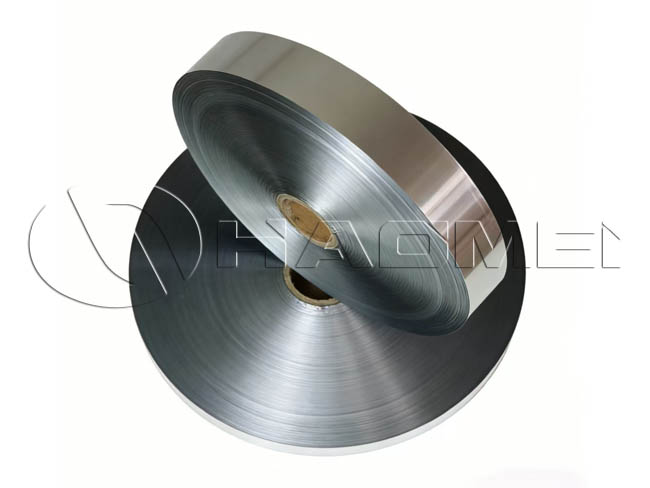
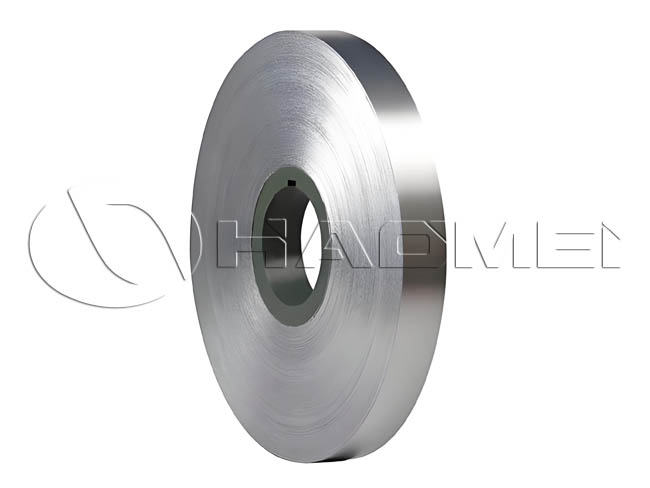
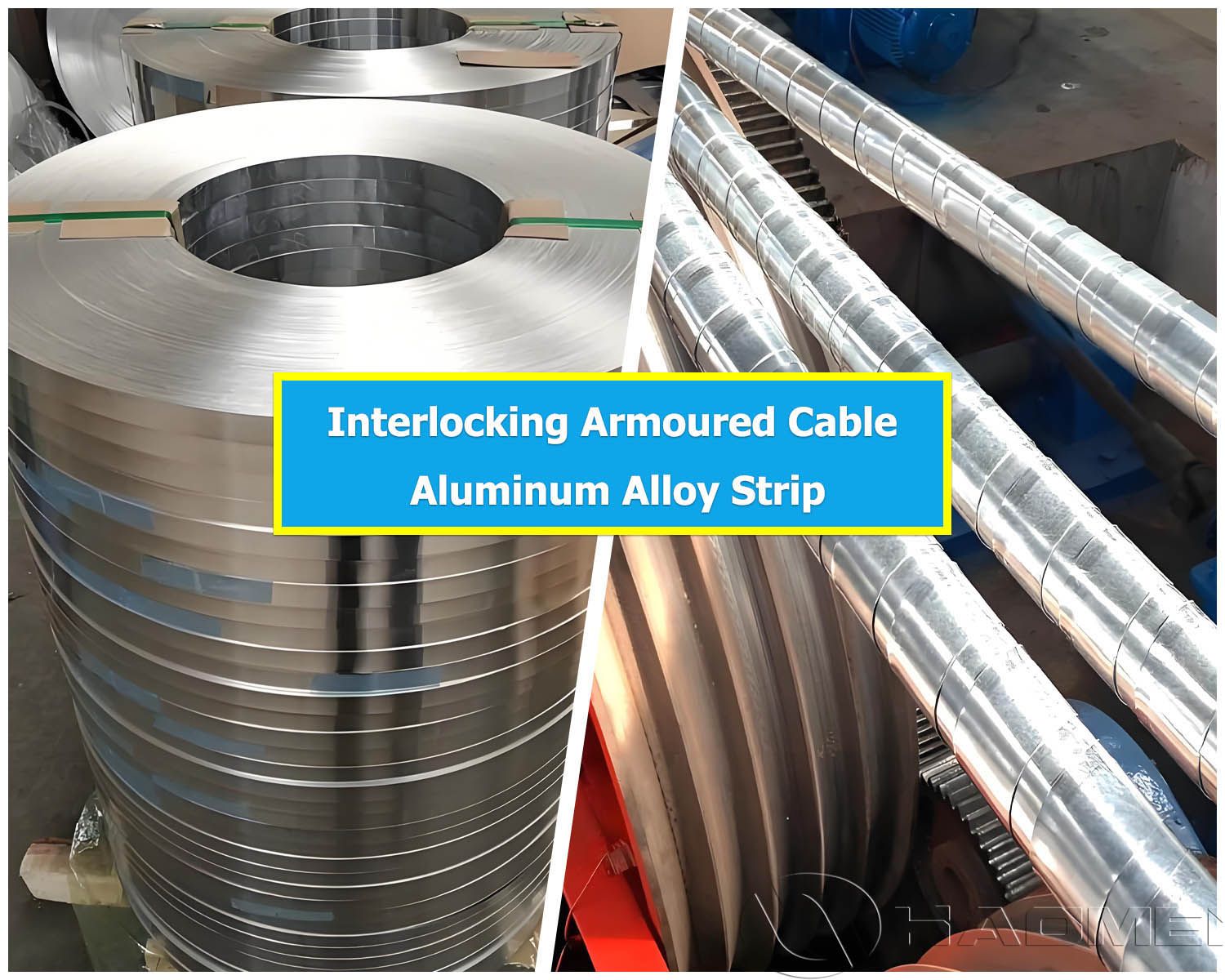
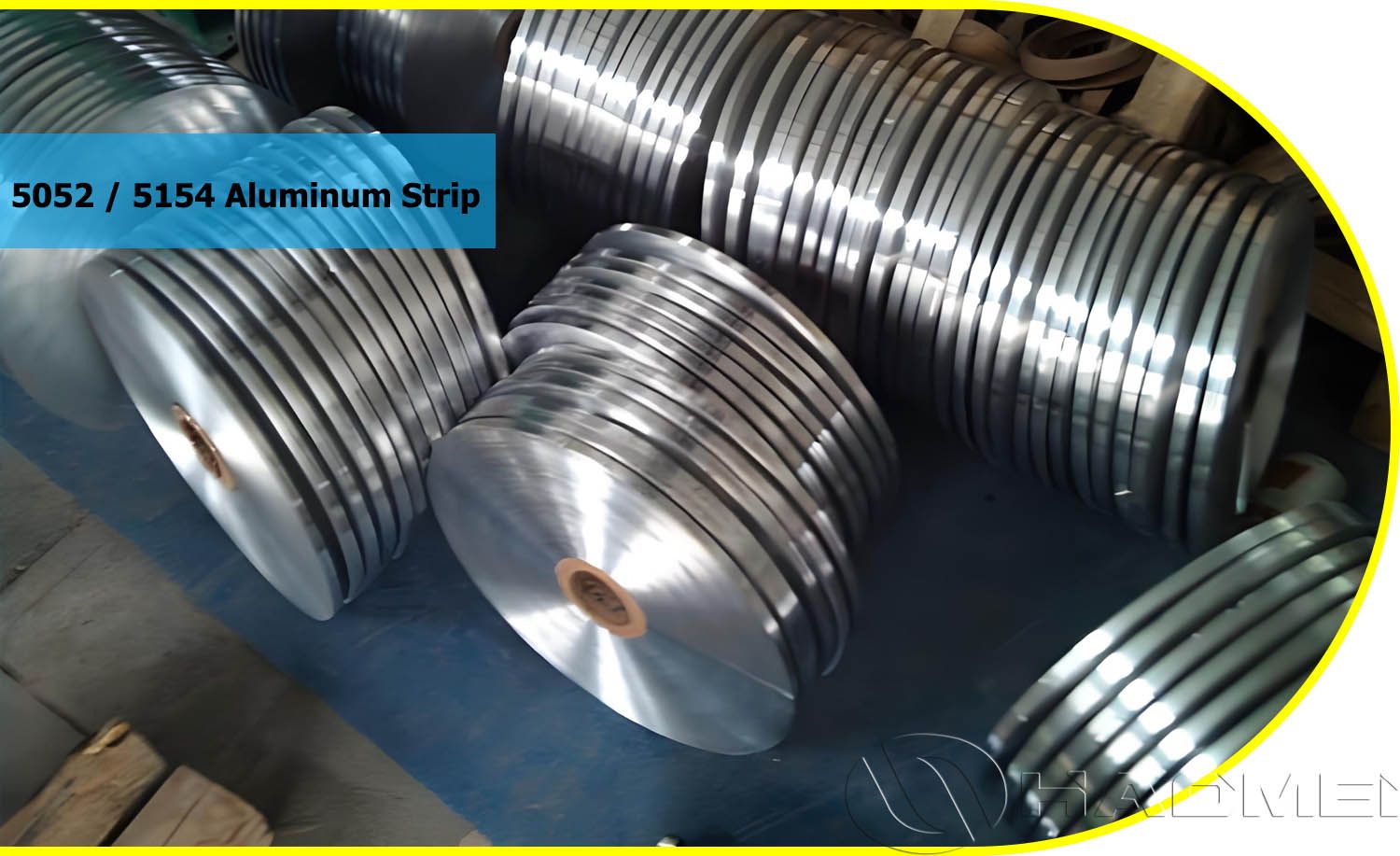
Interlocking Armored Aluminum strip, as a core material for the outer protection layer of cables, is widely used in modern power systems, petrochemical industries, rail transit, high-rise buildings, and other fields due to its unique interlocking structure and lightweight metal properties.
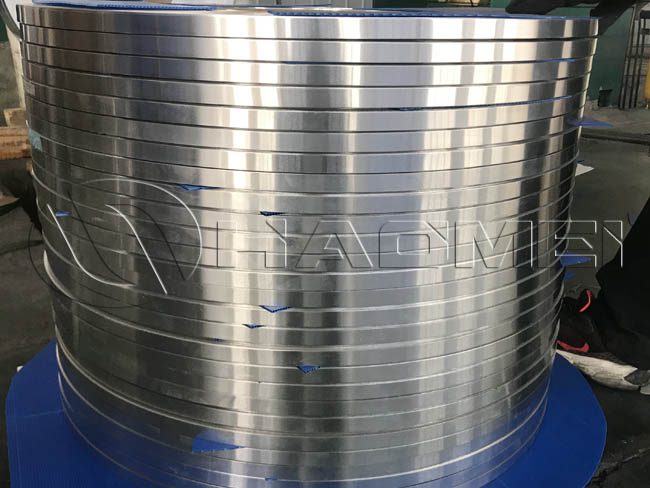
Interlocking armored aluminum strip is usually made from high-quality aluminum alloys, such as 5154 and 5052, through precision rolling and special slitting processes. On the armoring machine of a cable production line, the aluminum strip is continuously formed and locked together turn by turn in an "S"-shaped interlocking structure, wrapping around the insulated cable core.
This unique interlocking structure provides cables with excellent flexibility and mechanical protection strength. It is an indispensable material for manufacturing interlocked armored cables, such as American standard MC cable and TECK90 cable.
It successfully overcomes the disadvantages of traditional steel strip armoring, which offers high rigidity but insufficient flexibility, achieving an ideal balance between protection performance and bending flexibility.
Common Aluminum Alloys
Interlocking armored aluminum strip is usually made from aluminum alloy materials. Common grades include:
5052 Interlocking Armored Aluminum strip
5052 aluminum alloy, Al-Mg2.5-Cr, contains 2.2%–2.8% magnesium and a small amount of chromium. It is one of the most mature and widely used grades for armored cables.
Key Features
Excellent corrosion resistance:The dense oxide film provides good resistance to soil, moisture, acids and alkalis, and coastal salt spray environments.
Good formability:In O temper, the material is soft and easy to wrap. It is not prone to cracking during armoring, ensuring tight locking and a small bending radius.
Moderate strength:It offers a good balance between protection and toughness, making it highly versatile.
Typical Applications
Power cables: YJLHV, YJLHVS2, ACWU90, etc.
Control cables and instrumentation cables
Building cables for direct burial
Tunnel cables
Photovoltaic and wind power cables
5154 Interlocking Armored Aluminum strip
5154 aluminum alloy, Al-Mg3.5, contains 3.1%–3.9% magnesium, which is higher than 5052, providing better strength.
Key Features
Higher strength:Its tensile strength is approximately 20% higher than 5052, offering stronger resistance to extrusion and deformation.
Excellent corrosion resistance:As a high-magnesium alloy, 5154 has strong resistance to industrial atmospheres, seawater, and chemical environments.
Good weldability:The weld seam has high toughness, making it suitable for armored structures that require welding or fixed connections.
Typical Applications
Heavy-duty and large-section power cables
High-voltage cable armoring
Offshore engineering cables
Chemical environment cables
Cable applications involving frequent bending or heavy-load installation
Product Features of Aluminum Strip
1. Excellent Corrosion Resistance
Aluminum naturally has good oxidation resistance, making it especially suitable for humid, underground, and coastal environments. It can effectively extend the service life of cables.
2. Lightweight Advantage
Compared with steel strip armoring, aluminum strip is much lighter, which can significantly reduce the overall weight of cables and make transportation and installation easier.
3. Good Flexibility
The interlocking structure allows the cable to maintain excellent protection performance while providing better bending performance, making it suitable for complex wiring environments.
4. Excellent Mechanical Protection
It can effectively resist external impact, compression, and abrasion, preventing cable damage during installation and operation.
5. Electromagnetic Interference Resistance
To a certain extent, aluminum strip can provide shielding performance and improve the stability of cable systems.
6. Good Thermal Stability
Aluminum strip maintains stable performance within a temperature range of -40°C to +150°C, making it suitable for various ambient temperature conditions.
7. Environmentally Sustainable
Aluminum is recyclable, and the production process meets environmental protection standards, supporting green and sustainable development.
Technical Parameters
| Item | Specification |
| Alloy | 5052, 5154 |
| Temper | H14, H24, H19, O temper, customizable |
| Thickness | 0.50 mm–1.20 mm |
| Width | 9 mm–25 mm |
| Length | 1000 mm–16000 mm |
| Tensile Strength | ≥ 120 MPa |
| Elongation | ≥ 8% |
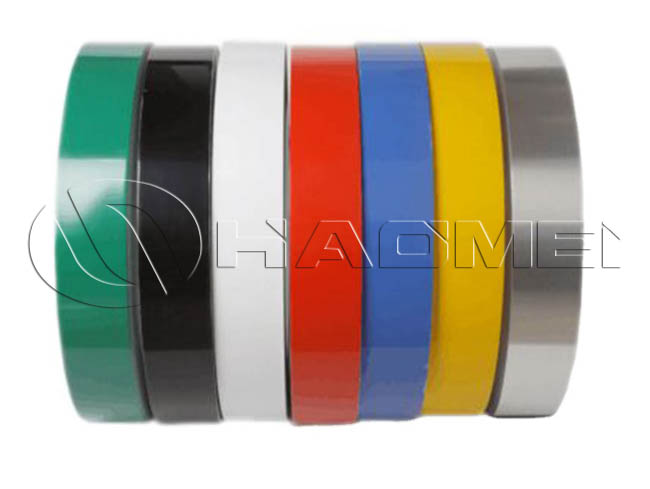
| Surface Condition | Bright surface / coated / anti-corrosion treated |
| Appearance Quality | Smooth edges without burrs, no telescoping, no obvious oil stains, neat coil head, smooth pay-off without jamming |
| Applications | Power cables, communication lines, underground installation, etc. |
| MOQ | 1–3 tons |
Common Specifications
| Specification, mm | Applicable Cable Outer Diameter, mm | Typical Pitch, mm |
| 9.5 × 0.60 | φ8–24 | 6.3 |
| 12.7 × 0.65 | φ15–50 | 8.4 |
| 19.0 × 0.70 | φ35–95 | 12.7 |
| 25.4 × 0.80 | φ60–130 | 16.8 |
Application Scenarios
Interlocking armored cable aluminum alloy strip has been widely used in many industries.
Power Cable Protection:Used as the outer armoring layer for high-voltage and low-voltage power transmission lines.
Communication Cables:Provides mechanical protection for optical cables and telecommunication lines.
Industrial Control Cables:Used for cable protection in chemical plants, steel mills, shipbuilding, and other industrial fields.
Building Cables:Provides fire protection and anti-theft protection for indoor electrical circuits.
Cables for Special Environments:Offers comprehensive protection for underground cables, tunnel cables, and marine cables.
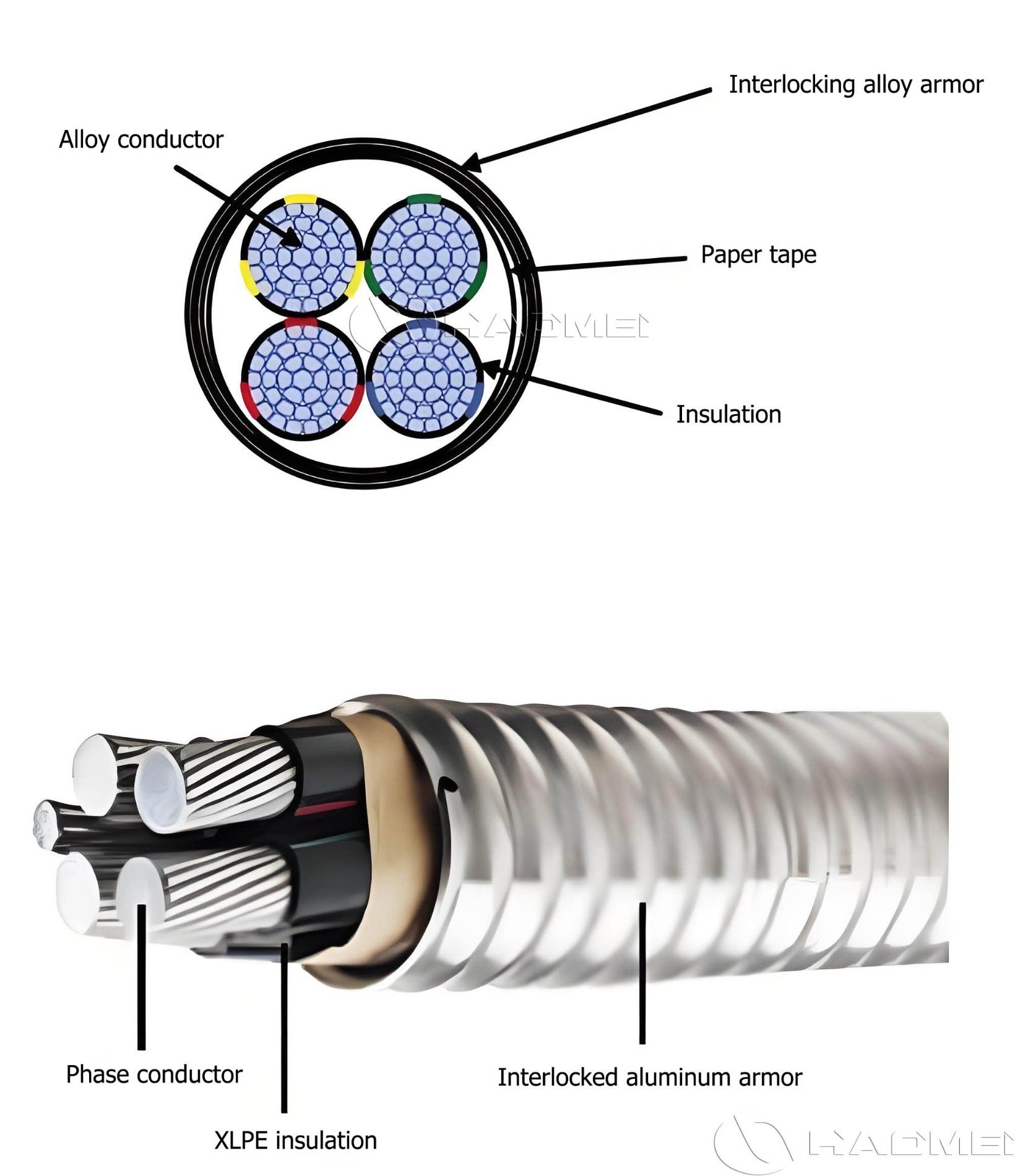
Typical Structure of Interlocking Armored Cable
A complete interlocking armored cable usually consists of the following layers from inside to outside:
Conductor:Copper conductor or aluminum alloy conductor.
Insulation Layer:XLPE, PVC, ceramic silicone rubber, or other insulation materials.
Filling Material:Fiberglass rope, PP filling rope, and other materials to maintain cable roundness.
Wrapping Tape Layer:Non-woven fabric or polyester tape used to secure the cable core.
Inner Sheath, Optional:PVC or LSZH material.
Interlocking Armor Layer:Aluminum alloy strip spirally wrapped and interlocked.
Outer Sheath:PVC, LSZH, CPE, or PE material.
Why Choose Interlocking Aluminum Armor Strip for Cable Protection?
Interlocking Design Simplifies Installation
The interlocking positions are precise and symmetrically arranged. During installation, simple snap-fit locking is sufficient, with no need for additional fasteners. This saves time and labor costs.
Highly Customizable
Thickness, width, length, surface treatment, and other parameters can be customized according to customer requirements to meet the protection needs of different cable types.
Cost-Effective
Compared with copper armor tape, aluminum tape has a lower cost while maintaining excellent performance.
Environmentally Friendly
Aluminum can be recycled, and the production process is low-carbon and environmentally friendly.
Suitable for Multiple Scenarios
It has strong adaptability and can be used in various complex environments, including indoor and outdoor conditions, dry and humid environments, and areas with large temperature differences.
Comparison with Steel Strip Armoring
Interlocking Aluminum Strip
Interlocking aluminum strip is non-magnetic, lightweight, flexible, corrosion-resistant, and low-loss. Its cost is slightly higher, and its lateral pressure resistance is slightly lower than steel tape.
Steel Strip Armoring
Steel strip armoring has low cost and strong lateral pressure resistance. However, it is heavy, has poor bending performance, may generate eddy current losses, and is more prone to corrosion.