 Contact Us
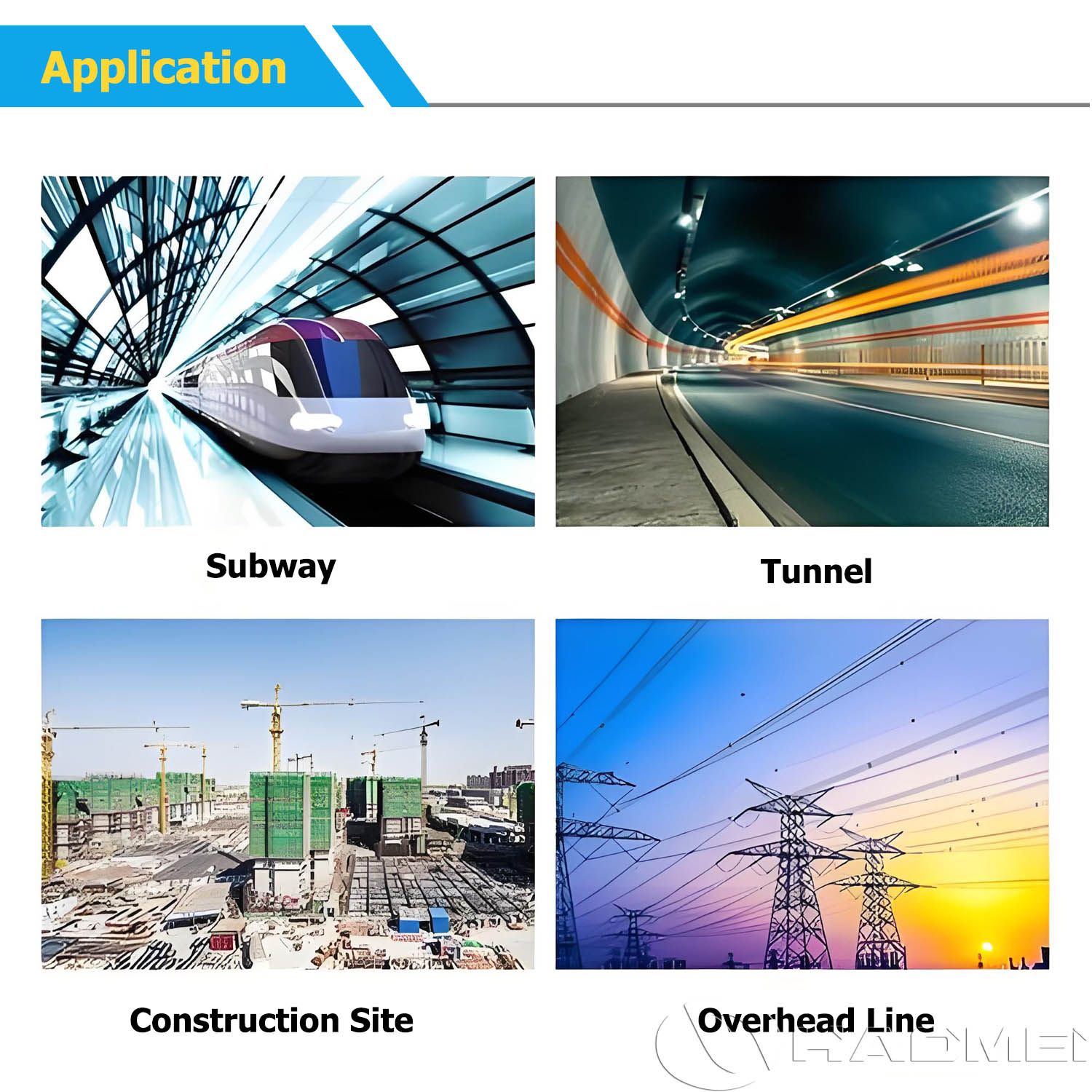
Fire-resistant armored aluminum cables are specialized cables that combine fire resistance with mechanical protection. They are widely used for power transmission in environments exposed to high temperatures and significant mechanical stress. In practical engineering applications, these cables are often selected as main power transmission lines for critical infrastructure such as metro systems, tunnels, and underground facilities.
Their key advantage lies in the effective combination of fire resistance and mechanical strength. Compared with ordinary cables, they can maintain power transmission for a specified period under fire conditions, providing valuable time for emergency equipment operation and personnel evacuation. The armor layer effectively withstands external mechanical stress and helps extend the service life of the cable.
Among various armoring materials, 5052 aluminum strip has become a preferred choice in the fire-resistant cable armor sector due to its distinctive and well-balanced performance advantages.
What Is 5052 Armored Aluminum Strip?
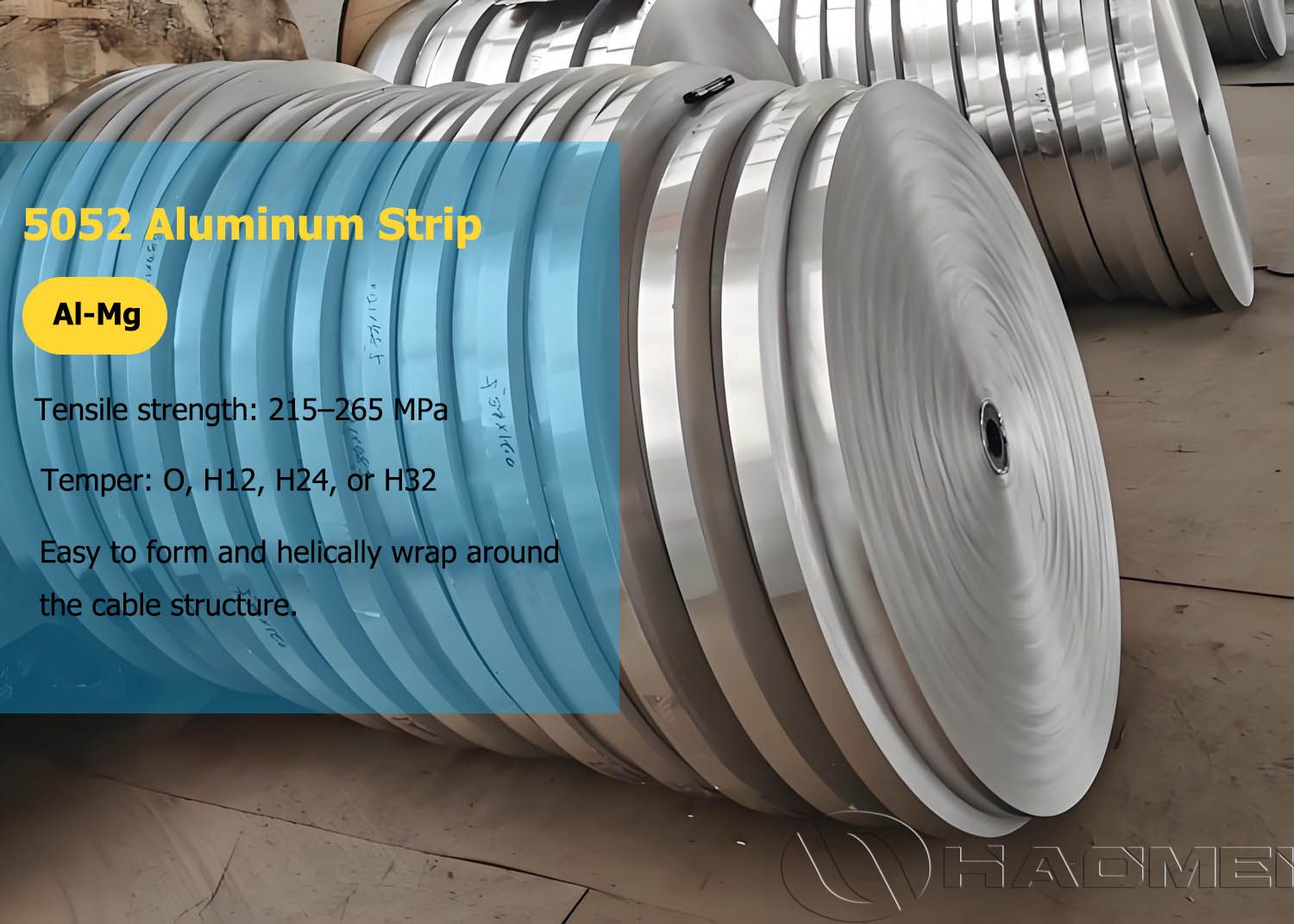
5052 is an aluminum-magnesium, corrosion-resistant aluminum alloy. Its primary alloying element is magnesium, with a magnesium content of approximately 2.5%. It is a non-heat-treatable alloy whose mechanical properties are adjusted through rolling and annealing processes. As a mature 5xxx-series alloy grade, it is widely used in cable armoring applications.
The most notable characteristics of 5052 aluminum alloy include:
Excellent corrosion resistance: As a representative corrosion-resistant aluminum alloy, 5052 performs exceptionally well in humid, salt-spray, underground, and other corrosive environments.
Good forming and processing properties: Suitable for cold-working processes such as stamping, bending, and winding.
Moderate strength and fatigue resistance: Although it cannot be strengthened by heat treatment, its strength can be improved through cold work hardening. Its tensile strength generally ranges from approximately 170 to 305 MPa.
Good weldability: Facilitates joining and processing during cable manufacturing.
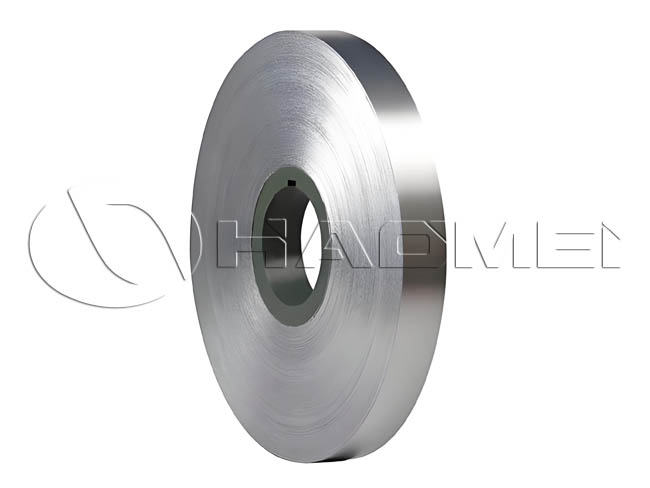
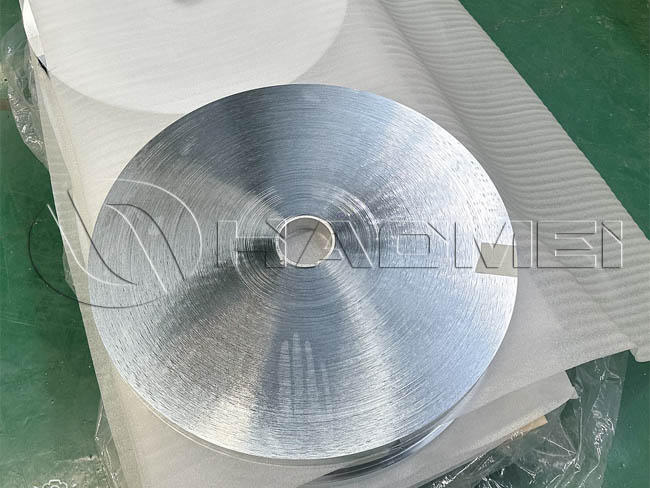
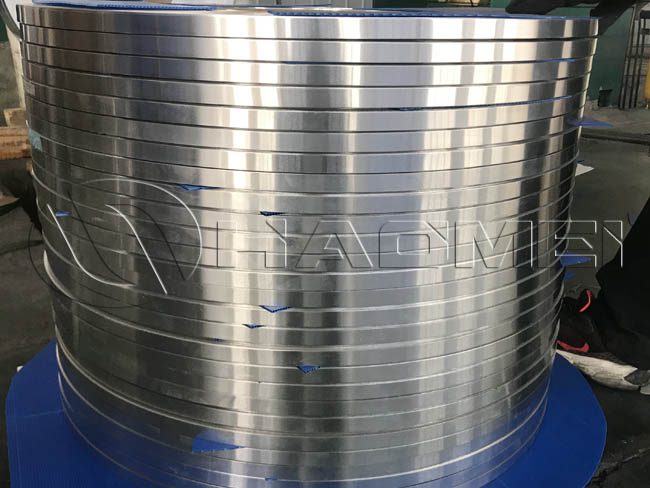
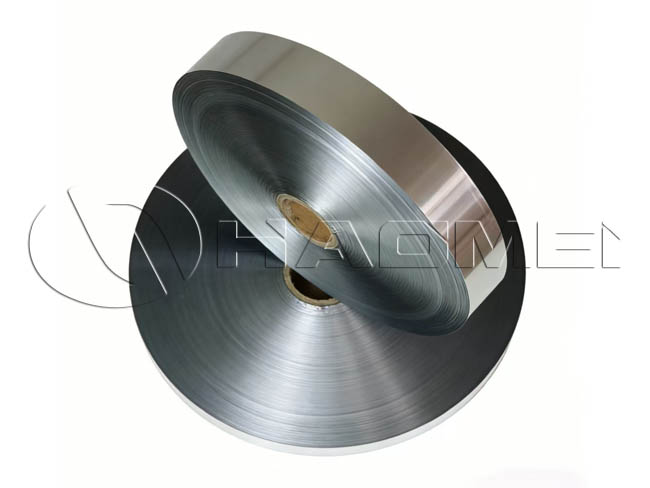
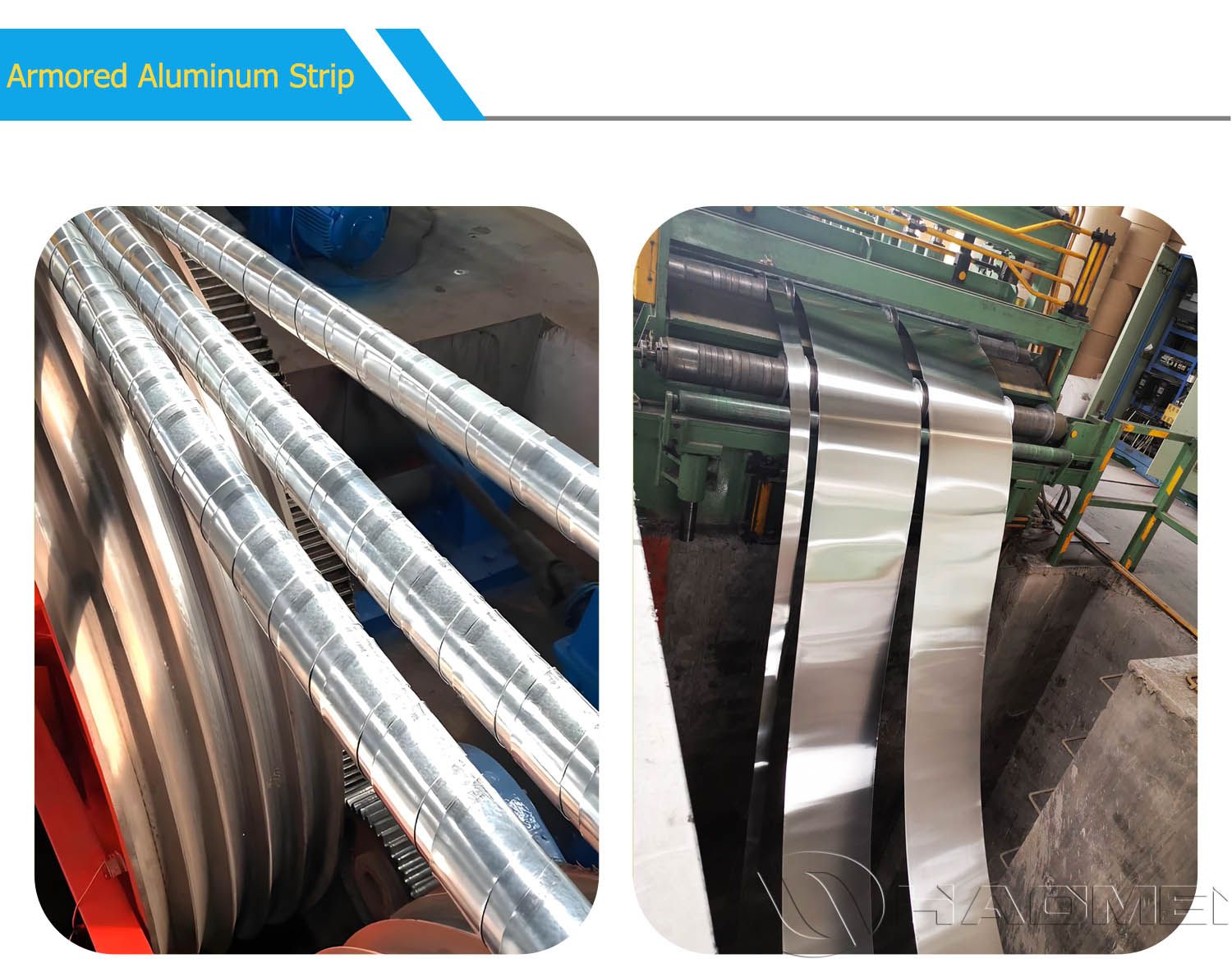
5052 aluminum strip for fire-resistant cable armor is generally supplied in coil form. Typical thicknesses range from 0.45 mm to 1.0 mm, while the width can be customized according to the cable diameter. Through cold rolling, finishing, slitting, and edge-rounding or edge-deburring treatment, burrs, camber, warping, and surface scratches are strictly controlled to meet the requirements of high-speed, continuous forming on interlocked armor machines.
Common tempers include O temper and H24 temper. O temper offers excellent ductility and is less likely to crack during bending, while H24 provides a balance between strength and formability, making it suitable for fire-resistant cable products requiring enhanced deformation resistance in the armor layer.
Structure and Functions of 5052 Aluminum Strip in Fire-Resistant Cable Armor
The armored structure of a fire-resistant cable generally includes the following layers:
Inner sheath: Helps prevent flames and smoke from entering the internal cable structure.
Armor layer: Provides mechanical protection and tensile resistance.
Outer sheath: Protects the cable against environmental corrosion and physical damage.
Within the armor layer, 5052 aluminum strip plays a central role by providing:
Mechanical protection: Resists external force, compression, impact, and abrasion.
Electromagnetic shielding: Helps reduce interference between cables.
Fire-performance support: Works in combination with fire-resistant materials to improve the overall fire-resistance level of the cable.
Key Advantages of 5052 Aluminum Strip for Fire-Resistant Cables
1. Excellent Corrosion Resistance
The surface of 5052 aluminum strip quickly forms a dense aluminum oxide protective film. This film provides excellent resistance to atmospheric exposure, fresh water, seawater, and various acidic and alkaline media.
As a result, 5052 aluminum strip can significantly extend the service life of cables used in harsh environments.
2. Excellent Formability and Flexibility
Cable armoring processes generally use either continuous interlocked armor or longitudinally wrapped and welded armor. In annealed or semi-hard tempers, such as O, H32, and H34, 5052 aluminum strip offers excellent ductility and bending performance.
During wrapping and forming, it is less likely to crack, can fit tightly around the cable core, and helps maintain the overall flexibility of the cable for easier installation and routing.
3. Good Mechanical Strength
Compared with pure aluminum, 5052 aluminum alloy offers higher strength. It can provide reliable mechanical protection for cables while maintaining a relatively low material weight.
4. Lightweight Performance
Aluminum has a much lower density than steel. Therefore, using aluminum strip as an armoring material can reduce the overall weight of the cable.
A lighter cable provides several practical benefits:
Easier transportation and handling;
Reduced labor intensity during installation;
Easier cable pulling and routing;
Lower load requirements for cable trays, supports, and mounting systems.
5. Non-Magnetic Properties and Low Electrical Energy Loss
For AC single-core cables, steel tape armor can easily generate magnetic eddy-current heating, which may cause cable overheating and electrical energy loss.
5052 aluminum strip is a completely non-magnetic material. It can effectively eliminate magnetic eddy-current losses, improve power transmission efficiency, and reduce safety risks associated with excessive heat generation.
6. Fire-Resistance Performance Support
In products such as flexible mineral-insulated fire-resistant cables, interlocked aluminum alloy tape armor is widely used as a protective layer.
These cables can withstand fire-resistance tests at temperatures of approximately 950–1000°C for up to 300 minutes, while also offering resistance to water spray and mechanical impact.
Typical Specifications of 5052 Aluminum Strip
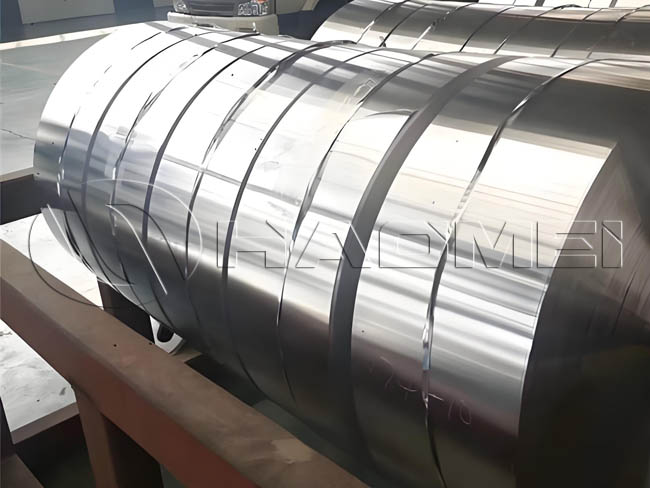
5052 aluminum strip for cable armoring is generally supplied in coils and slit into specified widths according to cable production line requirements.
Typical specifications are listed below:
| Item | Typical Range |
| Alloy | 5052 |
| Temper | O, H24, H32, etc. |
| Thickness | 0.15–3.0 mm |
| Width | 10–500 mm, customizable |
| Length | 1,000–16,000 mm, customizable |
| Form | Aluminum strip coil, slit aluminum strip |
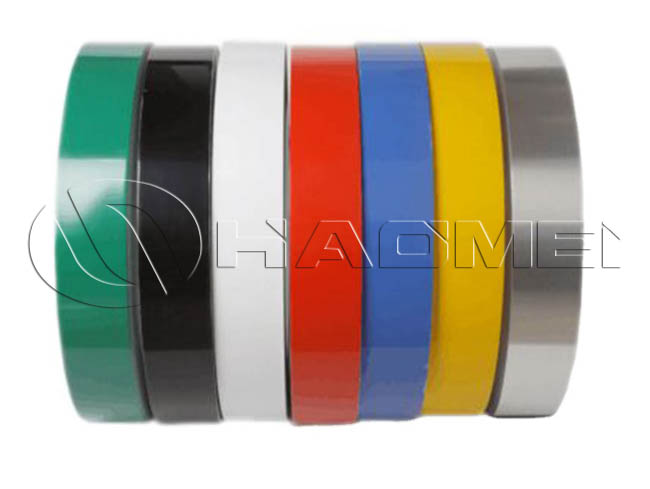
| Surface | Bright finish, mill finish, or customized treatment |
| Edge | Slit edge, rounded edge, or customized processing |
| Packaging | Wooden cases, pallets, or export-standard packaging |
| MOQ | 1–3 tons |
Physical Property Indicators
| Property | Value | Unit |
| Tensile Strength | ≥180 | MPa |
| Yield Strength | ≥90 | MPa |
| Elongation | ≥10 | % |
| Resistivity | ≤0.06 | Ω·mm²/m |
| Conductivity | ≥61 | %IACS |
| Tensile Strength | ≥180 | MPa |
| Hardness | HB ≥60 | - |
How to Choose Different Tempers of 5052 Aluminum Strip
5052 O Temper
O temper, also known as annealed temper, has relatively low strength and high elongation. It offers some of the best forming properties among 5052 aluminum strip tempers.
For cable armor structures requiring substantial deformation, bending, folding, or complex continuous forming, O temper offers clear advantages.
5052-H24 Temper
H24 is a strain-hardened and partially annealed temper. Compared with H14-type tempers, H24 undergoes partial annealing to reduce part of the strain-hardening effect.
As a result, it generally provides better ductility and formability while retaining a good level of strength. H24 is a suitable option for cable armor applications that require both mechanical strength and continuous bending or forming performance.
5052-H32 Temper
H32 indicates that the material has been strain-hardened and then stabilized to achieve relatively stable properties.
H32 typically offers a good balance of strength, elongation, and stability. It is suitable for applications that require dimensional stability, reliable processing performance, and mechanical strength.
Typical Applications of 5052 Armored Cable Aluminum Strip
Thanks to the above advantages, fire-resistant cables using 5052 armored aluminum strip are widely used in the following fields:
High-Rise Buildings and Public Facilities: Used in critical circuits such as fire protection system power supplies, emergency lighting, elevator power supplies, and emergency control systems.
Underground Facilities and Tunnels: Suitable for humid and space-restricted environments, including metro systems, utility tunnels, underground pipe galleries, and power tunnels.
Industrial and Chemical Facilities: Applicable to petroleum, chemical, metallurgical, and industrial sectors where strong corrosion resistance is required.
Marine and Offshore Engineering: Suitable for power and control systems operating in salt-spray and marine corrosion environments.
HAOMEI Product Quality
The production of 5052 aluminum strip strictly adheres to relevant national standards. Its chemical composition complies with the GB/T 3190 standard. In addition to chemical composition, the standard specifies requirements for material temper, dimensions, edge camber, flatness, and mechanical properties. Common supply tempers include the O-temper (fully annealed/soft) and H-temper (strain-hardened, such as H24 half-hard). Thickness typically ranges from 0.45 mm to 1.0 mm, and width can be customized according to cable specifications. The nominal thickness of the armor layer is commonly around 0.5 mm.