 Contact Us
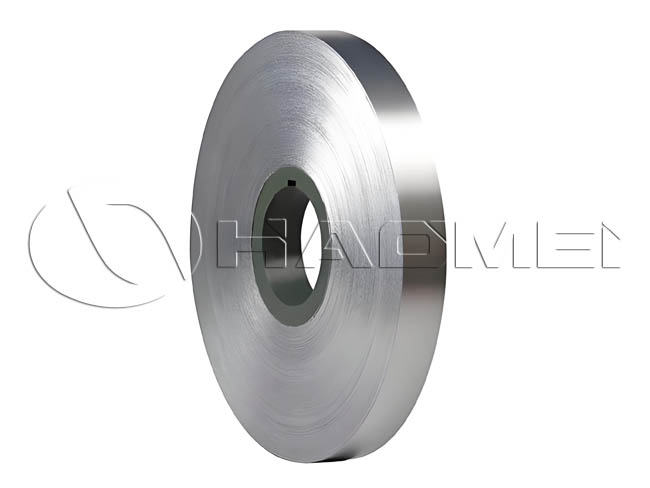
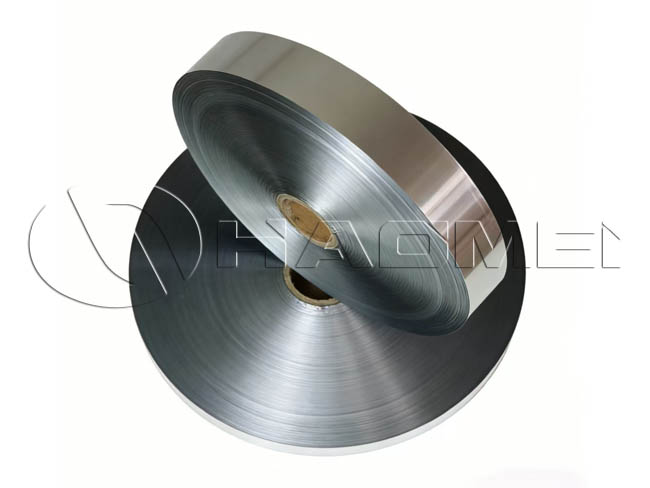
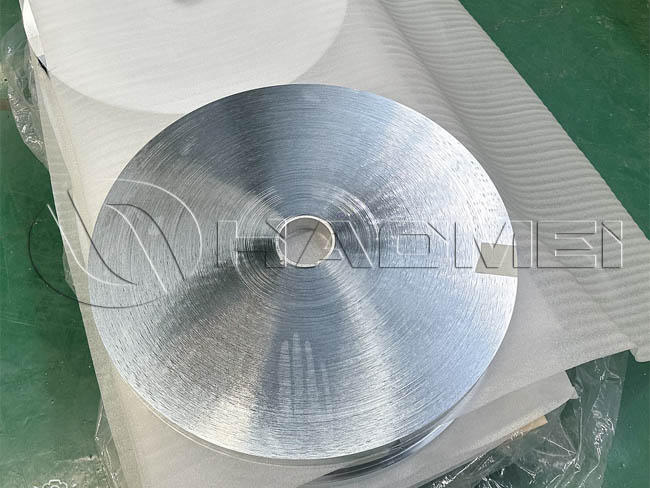
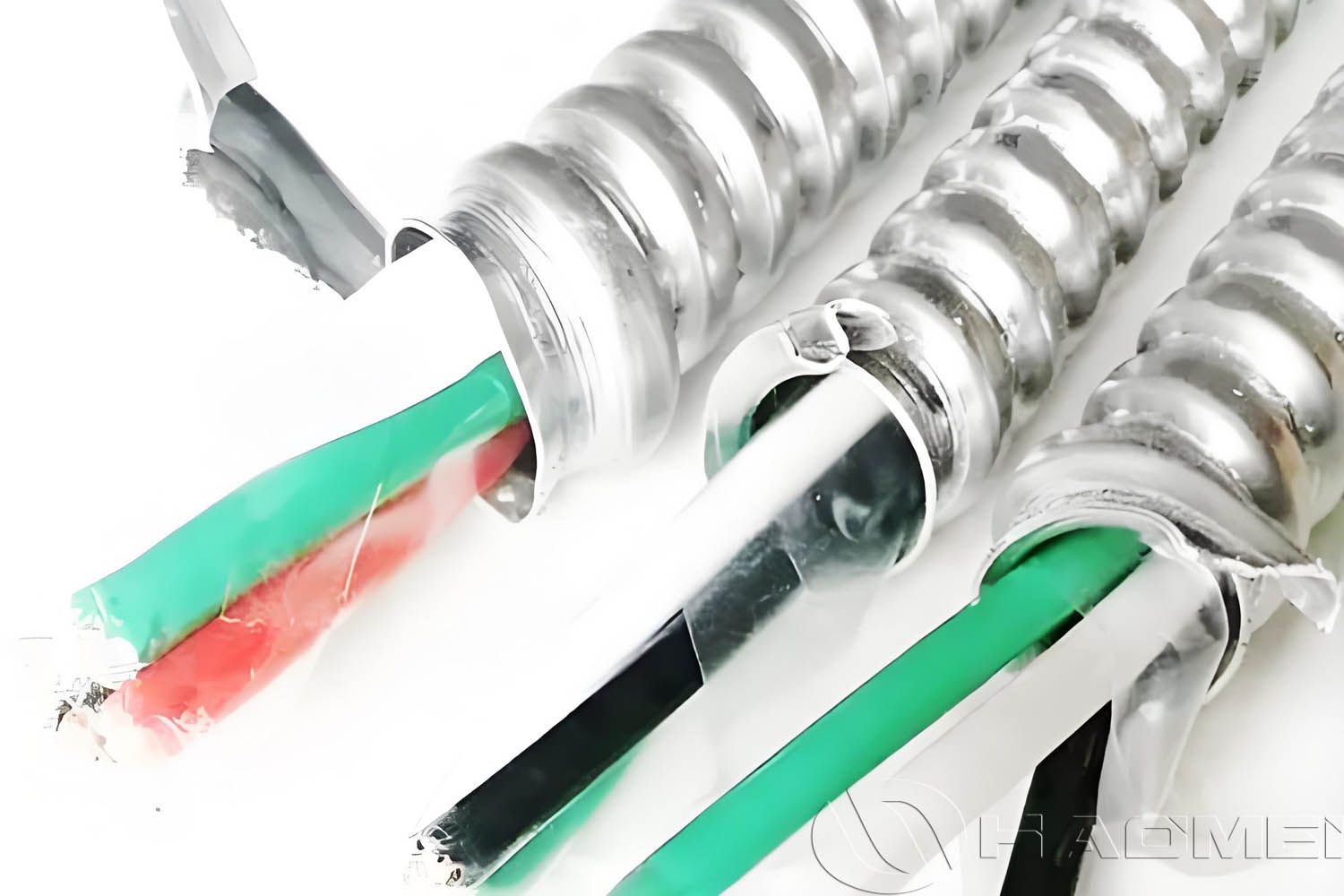
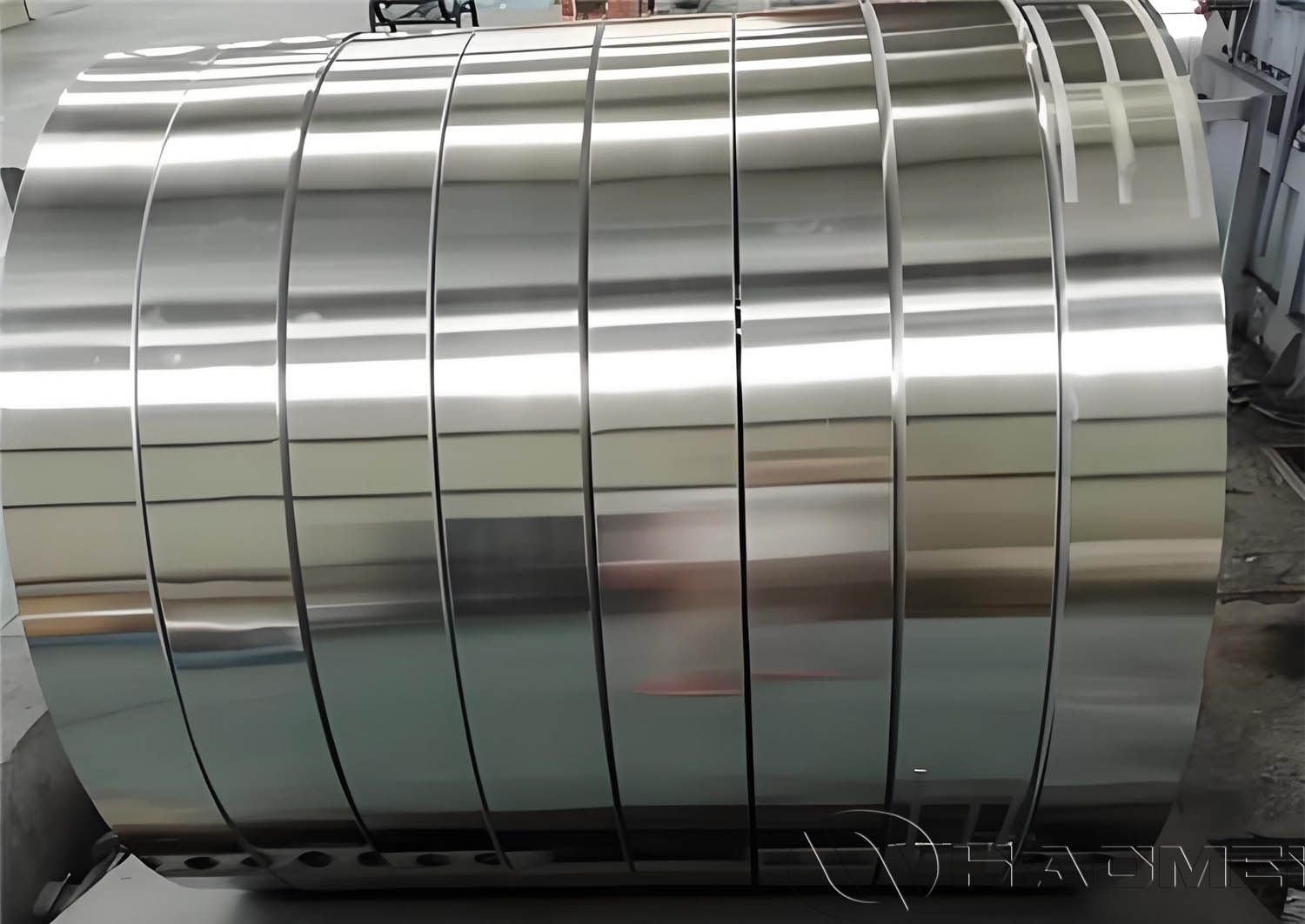
Among various cable armoring materials, 5052 aluminum strip is widely used for cable wrapping armor, shielding layers, reinforced sheath layers, and protective structures because of its balanced strength, corrosion resistance, formability, and lightweight characteristics.
It is particularly valuable in applications where cable weight, corrosion resistance, and installation convenience are important. In such environments, 5052 aluminum strip provides an effective alternative to conventional steel tape armor.
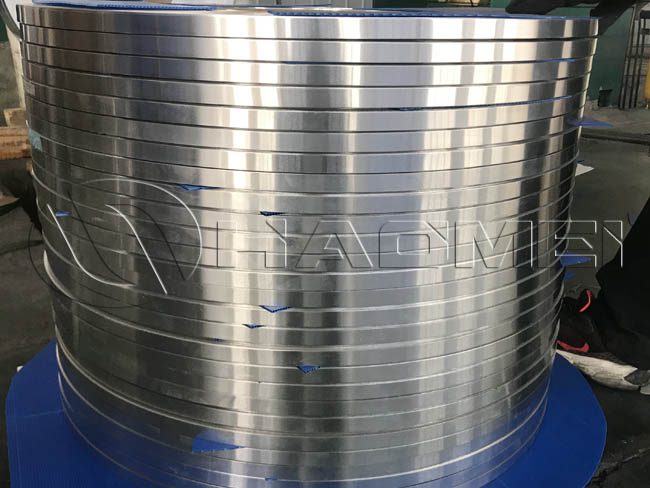
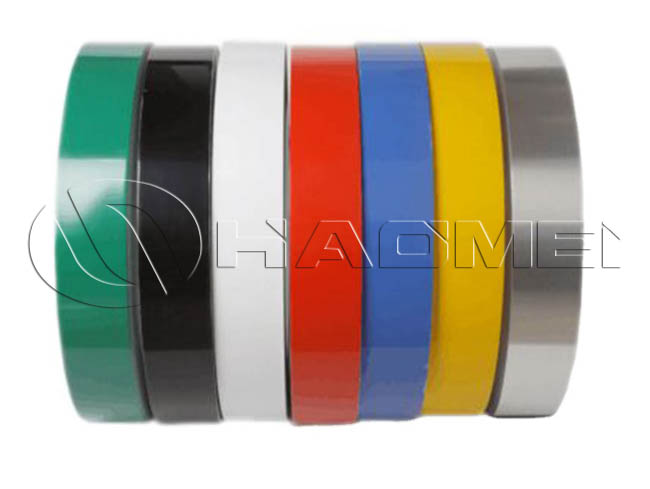
5052 aluminum strip is an aluminum-magnesium alloy material in which magnesium is the principal alloying element. It belongs to the commonly used family of rust-resistant aluminum alloys. Produced through hot rolling, cold rolling, annealing, finishing, and slitting processes, it is made into strip-form aluminum material suitable for industrial applications.
Its key characteristics include excellent corrosion resistance, moderate mechanical strength, good processing performance, as well as favorable weldability and formability.
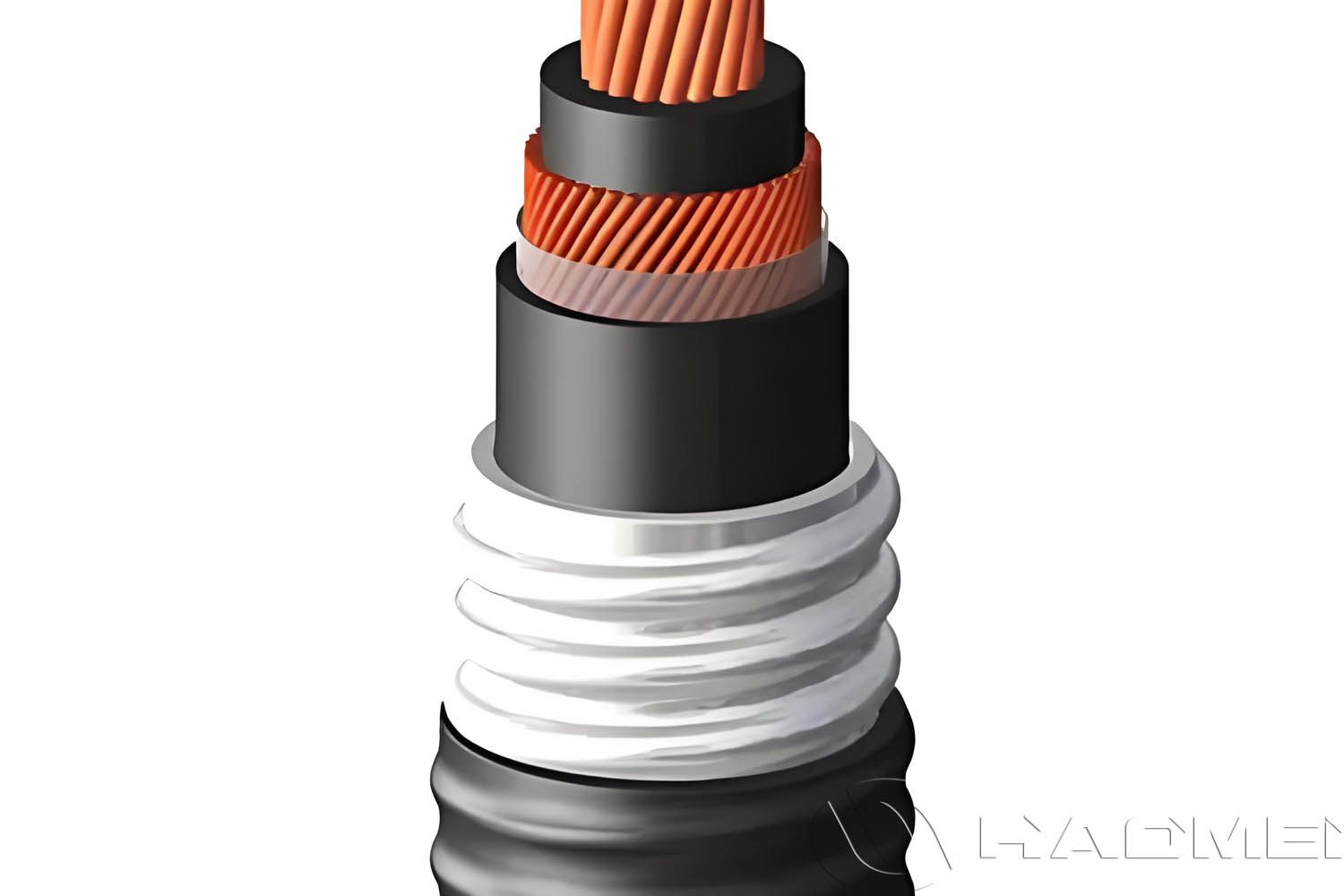
In armored cable constructions, the aluminum strip can be continuously wrapped around the outside of the cable to form a continuous, overlapping, or spiral metal protective layer.
Compared with steel tape, 5052 aluminum strip has a significantly lower density, making it an ideal choice for applications where cable weight must be controlled. In addition, the magnesium content in 5052 aluminum alloy improves corrosion resistance, allowing it to perform well in humid environments, salt-spray environments, and certain industrial applications.
HAOMEI Aluminum produces cable armor aluminum strip in common thicknesses ranging from 0.5 mm to 0.8 mm, and can supply different tempers including O, H22, H24, H32, and H34, depending on application requirements.
Chemical Composition of 5052 Aluminum Strip
| Element | Content by Weight | Metallurgical Function |
| Magnesium (Mg) | 2.2–2.8% | Main solid-solution strengthening element; improves corrosion resistance |
| Chromium (Cr) | 0.15–0.35% | Forms dispersed phases such as Al₁₈Mg₃Cr₂; controls grain size and improves stress-corrosion resistance |
| Iron (Fe) | ≤0.40% | Impurity control; excessive iron content can reduce ductility |
| Silicon (Si) | ≤0.25% | Impurity element; affects casting performance |
| Copper (Cu) | ≤0.10% | Kept at a low level to reduce galvanic corrosion risk |
| Manganese (Mn) | ≤0.10% | Helps control grain structure |
| Zinc (Zn) | ≤0.10% | Limited to help prevent stress-corrosion issues |
| Aluminum (Al) | Balance | Base metal matrix |
Material Properties of 5052 Aluminum Strip for Armored Cables
Temper and Mechanical Properties
5052 aluminum is a non-heat-treatable alloy. Its strength is mainly obtained through cold working and strain hardening rather than precipitation heat treatment. Its temper designations are commonly expressed using the H-series temper system.
| Temper | Work-Hardening Level | Tensile Strength (MPa) | Yield Strength (MPa) | Elongation (%) | Typical Armoring Application |
| O | Fully annealed | 170-215 | ≥65 | ≥25 | Deep-drawing cable components and highly flexible cable structures |
| H32 | Quarter-hard, stabilized | 228-280 | ≥193 | ≥12 | Standard cable armor |
| H34 | Half-hard | 210-290 | ≥200 | ≥10 | Higher-strength cable armor |
Note: Actual mechanical-property ranges may vary depending on strip thickness, production standards, and customer specifications. Material selection should be based on the applicable cable standard and final application conditions.
Physical Properties
| Property | Value | Importance for Cable Armor |
| Density | 2.68 g/cm³ | Approximately 66% lighter than steel; reduces overall cable weight and facilitates handling and installation |
| Melting Point | 607–650°C | Maintains structural integrity at cable operating temperatures up to approximately 150°C |
| Thermal Conductivity | 138 W/m·K | Helps dissipate heat generated by conductor losses |
| Electrical Resistivity | 0.0495 μΩ·m | Provides a degree of electromagnetic shielding and eddy-current damping |
| Thermal Expansion Coefficient | 23.7 × 10⁻⁶/K | Compatible with commonly used cable insulation materials |
| Elastic Modulus | 69.3 GPa | Provides flexibility during cable bending while helping prevent armor buckling |
Core Advantages of 5052 Aluminum Strip for Cable Armor
1.Superior Corrosion Resistance
In environments characterized by underground moisture, soil-based chemical corrosion, or coastal areas with high salt-spray exposure, 5052 aluminum tape maintains the integrity of the armor layer over the long term, ensuring the electrical safety of the cable.
2.Non-magnetic Properties
While traditional steel tape armor can generate eddy currents due to magnetic properties in single-core cable applications, 5-series aluminum alloy tape perfectly resolves this issue thanks to its excellent non-magnetic characteristics.
3.Lightweight
With a density far lower than that of steel, cables armored with 5052 aluminum are significantly lighter overall than those armored with steel tape, while offering the same level of protection.
4.Moderate Strength
Compared to pure aluminum, 5052 aluminum alloy offers higher strength, providing more reliable mechanical protection for the cable.
5.Outstanding Fatigue Resistance
The armor layer is subjected to cyclic stress during cable laying, pulling, and bending. 5052 aluminum-magnesium alloy exhibits excellent fatigue resistance and is resistant to cracking or failure, making it ideal for control cables and specialized mobile cables that require flexibility.
6.Good Processing Characteristics
5052 aluminum tape is suitable for various processing operations, including slitting, stamping, bending, helical wrapping, and longitudinal cutting.
7.Formability and Machinability
It possesses excellent deep-drawing and bending properties. This allows the material to be precisely helically wrapped around the cable core without cracking or breaking—a crucial factor for efficient production and reliable performance.
The ability to accommodate smaller bending radii is also advantageous for cable installation.
Main Functions of 5052 Aluminum Strip in Cable Armoring
Cable armoring is not simply the process of "wrapping a layer of metal around a cable." It is an important part of cable structural design. Different material layers work together to determine the cable’s mechanical strength, moisture resistance, interference resistance, and environmental adaptability.
5052 aluminum strip used for cable wrapping generally performs the following functions.
1. Mechanical Protection
During transportation, installation, and operation, cables may be exposed to compression, impact, pulling forces, bending, soil pressure, or other external loads.
The aluminum strip armor layer can provide a degree of mechanical protection for internal cable components, including conductors, insulation layers, shielding layers, and protective sheaths.
When cables are installed in conduits, buried underground, routed through cable trays, suspended overhead, or installed inside equipment, a properly designed aluminum strip wrapping structure can reduce the risk of damage to the cable body.
2. Improved Compression and Deformation Resistance
In multi-layer cable constructions, 5052 aluminum strip can serve as a reinforcing layer or part of the protective sheath system. It helps the cable maintain a stable shape and improves resistance to deformation.
This is especially important for large-cross-section cables, multi-core cables, and complex cable constructions.
3. Enhanced Corrosion and Weather Resistance
Cable outer sheaths may be exposed to moisture, salt spray, acidic or alkaline gases, sunlight, and outdoor weathering conditions. Due to its good corrosion resistance, 5052 aluminum strip can improve the durability of the cable structure in demanding environments.
However, galvanic corrosion must be considered when aluminum strip comes into direct contact with dissimilar metals such as copper or steel in the presence of moisture or electrolytes. In practical cable design, insulating separation layers, protective coatings, or sheath materials should be used where necessary.
4. Auxiliary Shielding and Grounding Function
In some power cables, control cables, communication cables, and instrumentation cables, the metal wrapping layer may also provide auxiliary electromagnetic shielding or grounding functions.
Aluminum has good electrical conductivity and can help reduce external electromagnetic interference or internal signal leakage. However, whether the aluminum strip can serve as an effective shielding layer depends on strip thickness, overlap design, grounding method, cable construction, and applicable standards.
5. Support for Lightweight Cable Design
Reducing cable weight is important in marine systems, rail transit, renewable-energy equipment, mobile machinery, and large engineering projects.
Compared with steel tape, 5052 aluminum strip can reduce cable weight while still providing an appropriate degree of protection.
Specifications of 5052 Aluminum Strip for Cable Armor
Thickness
The thickness of aluminum tape commonly used for cable wrapping is selected based on the cable type and design requirements—for example, 0.10 mm, 0.15 mm, 0.20 mm, 0.30 mm, or 0.50 mm. The specific thickness is determined by the application.
Width
Standard widths can be slit according to customer requirements—such as 10mm, 20mm, 30mm, 40mm, 50mm, 60mm, and wider specifications. Customization based on drawing specifications is also available for cables with special structures.
Common Tempers
5052 aluminum strip is available in a range of tempers, including O, H22, H24, H32, H34, and others.
O temper: Soft material with high elongation; suitable for applications requiring excellent bending, forming, and wrapping flexibility.
H22 temper: Lightly strain-hardened and partially annealed; offers a balance between softness and strength.
H24 temper: Provides a certain level of strength while maintaining good processing performance.
H32 temper: Commonly used for standard cable armor; offers higher strength while retaining suitable formability.
H34 temper: Provides greater strength than H32 and is suitable for higher-strength armoring requirements.
Other tempers: Can be selected according to cable structure, equipment capabilities, and end-use requirements.
Surface Quality Requirements
The surface of cable wrapping aluminum strip should be clean, smooth, and flat. It should be free from defects that could affect processing or cable performance, including:
Scratches;
Dents;
Oil stains;
Oxidation spots;
Blisters;
Peeling;
Inclusions;
Black spots;
Wavy edges;
Severe roll marks.
Poor surface quality may not only affect appearance, but may also lead to loose wrapping, uneven overlap, damage to insulation layers, or problems during subsequent sheath extrusion.
Edge Quality Requirements
The edges of aluminum strip should be smooth and properly slit. Excessive burrs, edge cracks, curled edges, or jagged edges should be avoided.
Poor edge quality may scratch underlying insulation or sheath layers during the armoring process. It may also cause strip breakage, unstable operation, and reduced cable reliability.
Manufacturing Process of 5052 Aluminum Strip for Armored Cables
The production of 5052 aluminum strip for cable armor generally involves several key stages.
1. Material Selection and Melting
High-quality raw materials, including aluminum, magnesium, manganese, chromium, and other alloying elements, are selected according to the composition requirements of 5052 alloy.
These materials are melted and refined to produce a uniform alloy melt. Chemical composition, melt cleanliness, temperature control, and impurity control are important factors affecting the final strip quality.
2. Continuous Casting and Rolling
The alloy melt is continuously cast into aluminum slabs or coils. The cast material is then processed through hot rolling and/or cold rolling to produce aluminum sheet or strip.
The rolling process gradually reduces the material to the required thickness while improving dimensional consistency and surface quality.
3. Cold Working and Annealing
After rolling, the aluminum strip may undergo cold working and annealing processes to achieve the desired mechanical properties, ductility, and temper condition.
Since 5052 is a non-heat-treatable alloy, the final strength is mainly determined by the degree of cold work and stabilization or annealing treatment rather than precipitation hardening.
4. Surface Treatment
The aluminum strip may receive surface treatment such as light oiling, anti-oxidation treatment, protective coating, or other finishing processes to improve storage stability, corrosion resistance, and processing performance.
The specific surface treatment should be selected according to cable manufacturing requirements. Excessive oil residue should be avoided if it could affect wrapping, bonding, extrusion, or subsequent cable processing.
5. Slitting
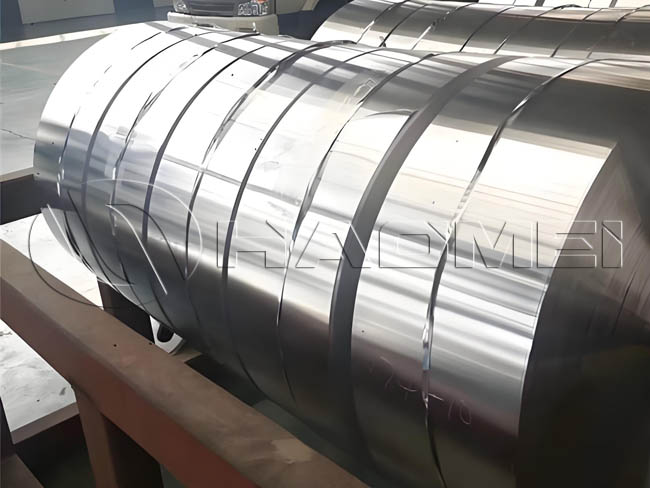
Wide aluminum coils are slit into narrow strips with precise width specifications. Width may range from several millimeters to several centimeters, depending on cable diameter, wrapping equipment, and armoring design.
6. Edge Treatment
The strip edges are carefully processed, including deburring where required, to ensure that they are smooth and free from sharp defects.
Proper edge treatment is important to avoid damaging underlying cable insulation during armoring and to protect the long-term integrity of the cable.
7. Coiling and Packaging
The finished aluminum strip is wound into coils and packaged for transportation and storage.
Packaging should provide protection against moisture, dust, impact, edge damage, coil collapse, and oxidation during shipment and warehouse storage.
Typical Applications of 5052 Aluminum Strip in Armored Cables
Single-Core AC Aluminum Conductor Cables
5052 aluminum strip is suitable for single-core AC cable applications where non-magnetic armor is required to reduce stray losses and eddy-current effects.
It is also beneficial in cable structures using aluminum conductors, where compatible thermal expansion behavior and electrochemical characteristics are desired.
Multi-Core Tape-Armored Distribution Cables
Spiral or longitudinal 5052 aluminum strip can be used to protect multi-core cable assemblies. It is suitable for applications requiring moderate mechanical protection and good corrosion resistance.
Direct-Buried and Duct Installation Cables
5052 aluminum strip may be used with additional sheath layers for cables installed underground or inside ducts.
For highly corrosive soils, severe chemical exposure, or environments with high chloride content, additional protective measures, coatings, or alternative materials may be required.
Cable Tray and Indoor Installation
5052 aluminum strip is suitable for cable tray systems, building risers, and general indoor applications where lightweight, corrosion-resistant, and non-magnetic armor is required.
It can also be used in selected marine, transportation, industrial, and renewable-energy cable systems.
5052 Aluminum Strip vs. Steel Tape for Cable Armor
Steel tape and steel wire remain common materials in traditional cable armoring, especially for applications requiring very high mechanical protection. However, 5052 aluminum strip offers clear advantages in selected cable designs.
| Comparison Item | 5052 Aluminum Strip | Steel Tape |
| Weight | Lightweight | Heavier |
| Corrosion Resistance | Good, especially suitable for humid and salt-spray environments | Usually requires galvanizing or protective coatings |
| Magnetism | Non-magnetic | Usually magnetic |
| Electrical Conductivity | Good | Relatively lower |
| Formability | Good; convenient for wrapping | High strength, but flexibility depends on material grade |
| Mechanical Strength | Moderate | Generally higher |
| Cost Structure | Influenced by aluminum price and processing requirements | Influenced by steel price, corrosion protection, and dimensions |
| Suitable Applications | Lightweight, corrosion-resistant, non-magnetic cable designs | High-strength, heavy-duty, and high-impact protection applications |
From a practical application perspective, 5052 aluminum strip and steel tape are not complete substitutes for one another. Each material is suitable for different design conditions.
If a project places greater emphasis on compression resistance, impact resistance, and tensile strength, steel tape or steel wire armor may still be the better choice. If the project prioritizes lightweight construction, corrosion resistance, non-magnetic performance, and installation convenience, 5052 aluminum strip can be a highly competitive option.