 Contact Us
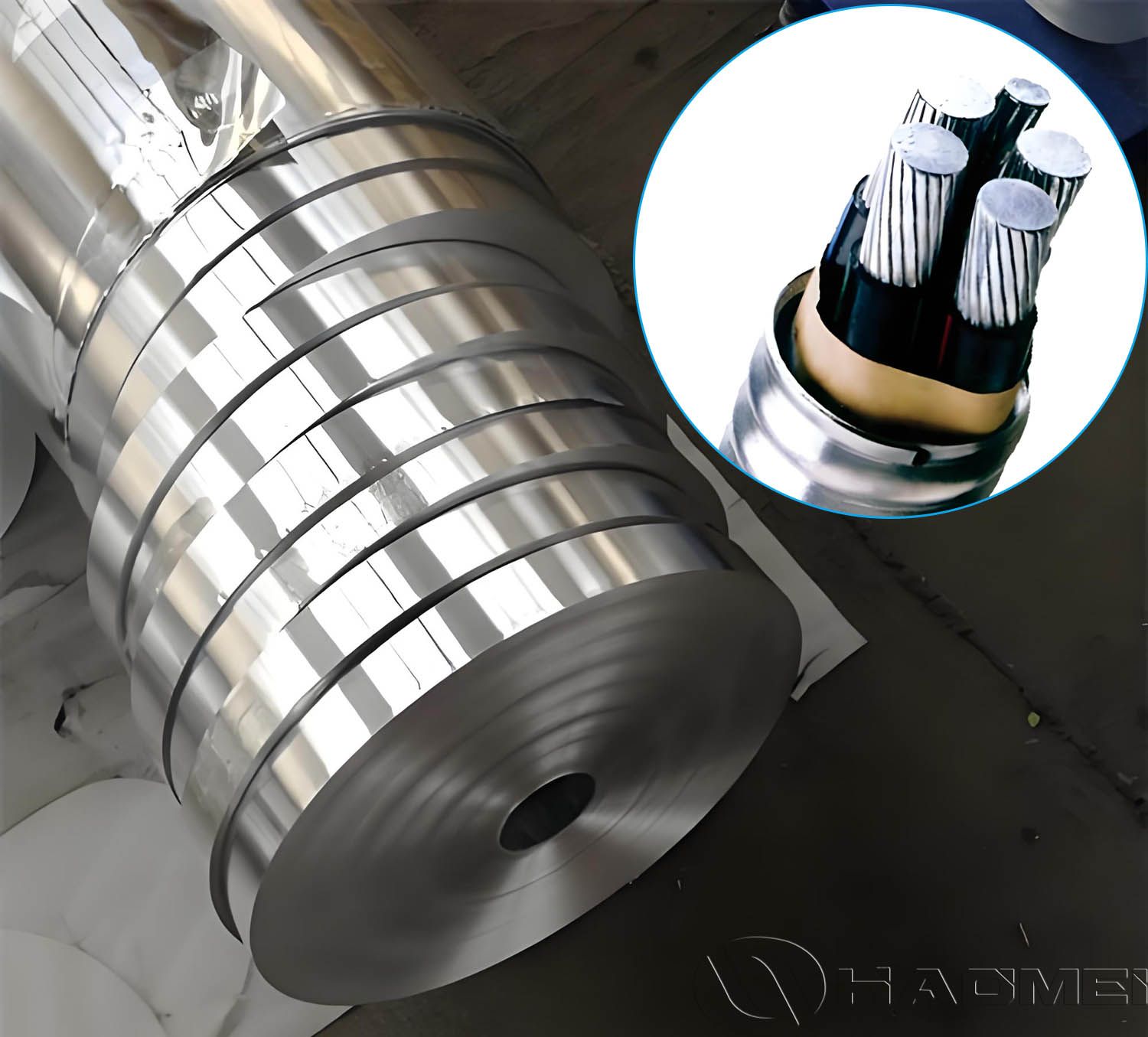
In the manufacturing of power cables, control cables, communication cables, and industrial cables, interlocked armor is a common mechanical protection structure. After forming, winding, and interlocking, aluminum strip creates a continuous metal protective layer around the cable. This structure provides reliable mechanical protection while maintaining the advantages of light weight, corrosion resistance, and convenient installation.
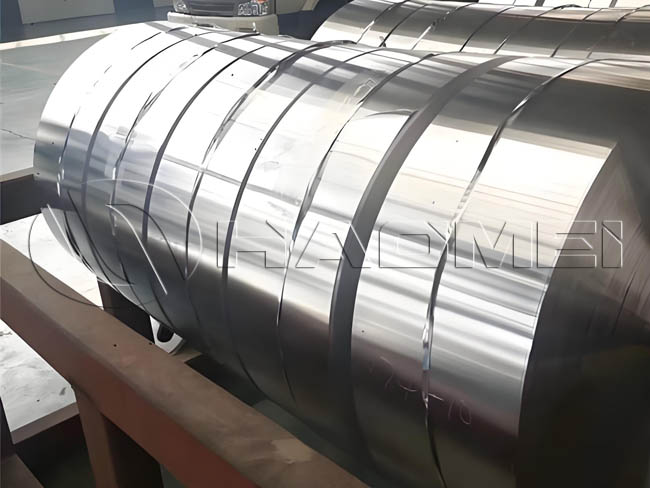
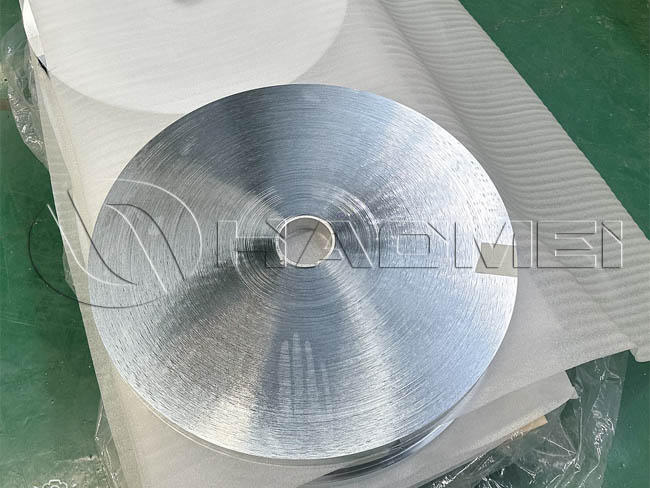
Our lubricated aluminum strip is an important raw material for the production of interlocked armored cables. Its strength, formability, edge quality, surface lubrication condition, and dimensional stability directly affect the operating efficiency of armoring equipment and the final quality of finished cables.
What Is Cable Interlocked Armor?
Interlocked armor is a processing method in which metal strip is continuously formed into an interlocking spiral structure by specialized armoring equipment and wrapped around the outer cable sheath or inner bedding layer. Compared with conventional steel wire armor or standard metal tape wrapping, interlocked armor generally provides better flexibility and reliable mechanical protection.
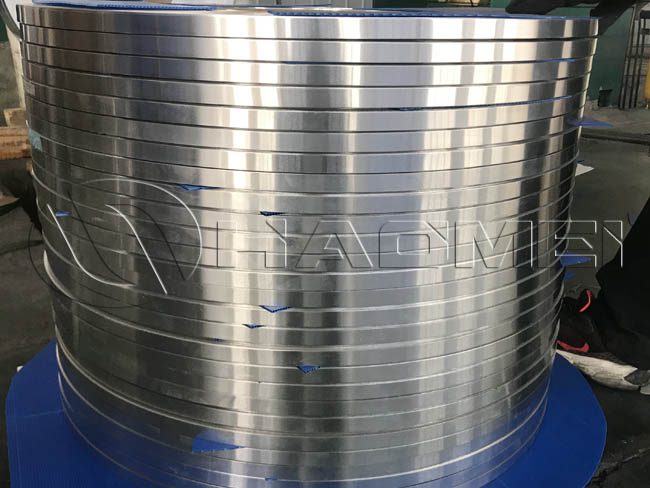
During production, the aluminum strip undergoes slitting, guiding, profiling, edge locking, and spiral winding to form a continuous interlocked structure. This structure helps the cable resist compression, impact, crushing, and external mechanical damage while maintaining good bending performance. It is therefore well suited for installation along complex cable routes and in demanding field conditions.
Aluminum interlocked armored cables typically offer the following advantages:
Excellent mechanical protection performance;
Lower overall weight compared with steel armored cables;
Easier handling, transportation, installation, and cable pulling;
Good flexibility for bending and routing applications;
Good adaptability to humid and corrosive environments;
Suitable for power, control, communication, building wiring, and other cable systems.
As the base material for forming the interlocked armor layer, the quality of aluminum strip is particularly critical.
What Is Lubricated Aluminum Strip?
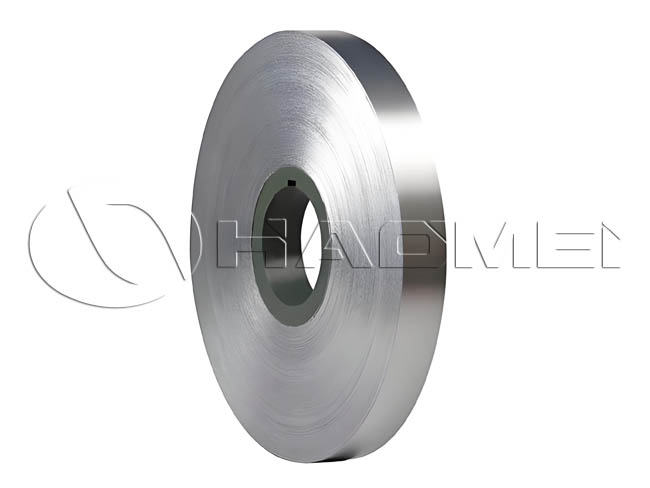
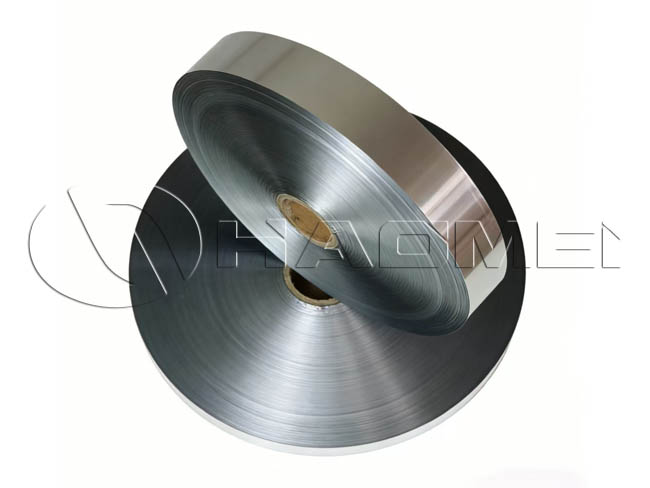
Lubricated aluminum strip is based on conventional cable armoring aluminum strip, with a lubricating coating applied to the strip surface or the armor joint area. This lubrication treatment typically uses a water-based, colorless, VOC-free dry-film lubricant, allowing the cable to have pre-lubricated properties directly after production.
Lubricated aluminum strip is designed for high-speed interlocked armoring production lines and is an ideal base material for AC90, ACWU90, and TC90 interlocked armored cables.
Common base alloy grades include 5052, 5154, and 5154A aluminum alloys, which provide a balanced combination of strength, corrosion resistance, and formability. The typical thickness ranges from 0.5 mm to 1.0 mm, while strip width, coil weight, and coil diameter can be customized according to customer requirements. Common coil inner diameters include 150 mm, 200 mm, 300 mm, and 500 mm.
The product can comply with domestic GB/T 31840 requirements as well as applicable overseas CSA and UL cable material requirements. Complete material test reports can be provided to support domestic production, export projects, and customer qualification reviews.
Advantages of Lubricated Aluminum Strip
1. Reduced Friction
The high lubricity of lubricated aluminum strip can significantly reduce friction between the aluminum armor layer and the cable surface, making the interlocked armoring process smoother and more efficient. This helps save production time and reduce labor costs.
2. Oxidation Protection
The lubricating coating provides oxidation resistance during processing and installation, helping preserve the aluminum strip’s appearance and performance. This is important for ensuring the long-term reliability and service life of armored cables.
3. Improved Cable Performance
By using lubricated aluminum strip, cable manufacturers can improve the overall performance of armored cables, including mechanical strength, electrical reliability, durability, and resistance to wear. This contributes to stable and dependable cable operation in demanding environments.
4. Higher Production Efficiency
Lubricated aluminum strip improves the efficiency of the interlocked armoring process, allowing higher production speeds and greater output. For cable manufacturers, this can provide a significant advantage in productivity and cost control.
5. Lower Maintenance Costs
The use of lubricated aluminum strip helps reduce wear and potential damage during cable installation and service. As a result, maintenance requirements can be reduced and the overall service life of the cable can be extended.
Specifications of Aluminum Alloy Strip for Interlocked Armored Cables
| Parameter | Specification |
| Common Alloys | 5052, 5154, 5154A |
| Temper | O, H24, H32 |
| Thickness Range | 0.5 mm – 1.0 mm |
| Width | 100 mm – 1600 mm |
| Length | 1000 mm – 16000 mm |
| Coil Inner Diameter | 150 mm, 200 mm, 300 mm, 500 mm, etc. |
| Surface Treatment | Lubricating coating; water-based, VOC-free, silicone-free |
| Lubricant Coating Weight | 150–400 mg/m², uniformly applied on both sides |
| Dynamic Coefficient of Friction (μ) | 0.08–0.12 |
| Edge Burr | Height ≤ 0.02 mm; high-precision burr-free slitting |
| Suitable Cable Types | AC90, TC90, ACWU90, YJLHS series interlocked armored power cables |
| MOQ | 3 Tons |
Main Applications of Lubricated Aluminum Strip
Lubricated aluminum strip for cable interlocked armoring is mainly used in cable products requiring a metal mechanical protection layer, including the following applications:
Power Cables
Used in power transmission and distribution cable systems, where the interlocked metal armor layer provides additional mechanical protection against external impact, crushing, and abrasion.
Industrial Control Cables
Industrial environments may involve machinery, vibration, friction, and potential external impact. Interlocked armor helps improve the protection and service reliability of control cables.
Communication Cables
Certain communication and signal cables can use metal interlocked armor structures according to cable design requirements, providing additional mechanical protection in complex installation environments.
Special Cables
For special cable applications requiring a combination of low weight, corrosion resistance, flexibility, and mechanical protection, aluminum interlocked armor is an effective solution. The appropriate alloy, temper, thickness, and lubrication treatment can be selected based on specific project requirements.