 Contact Us
In modern industrial plants, commercial buildings, rail transit systems, and marine engineering environments, cables are exposed to demanding conditions, including mechanical impact, chemical corrosion, and frequent bending. To ensure the safety and reliability of power transmission and distribution systems, interlocked armored cables, such as MC cables and AC90 cables are widely used.
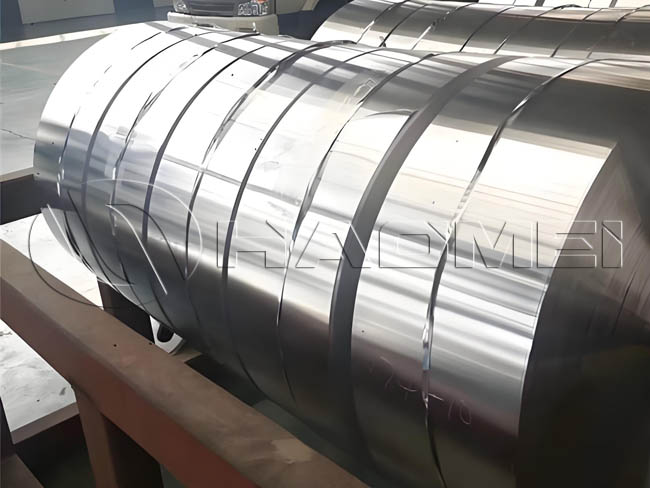
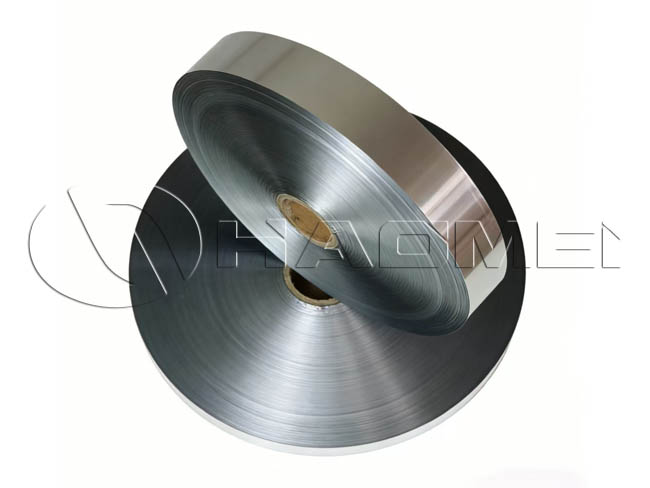
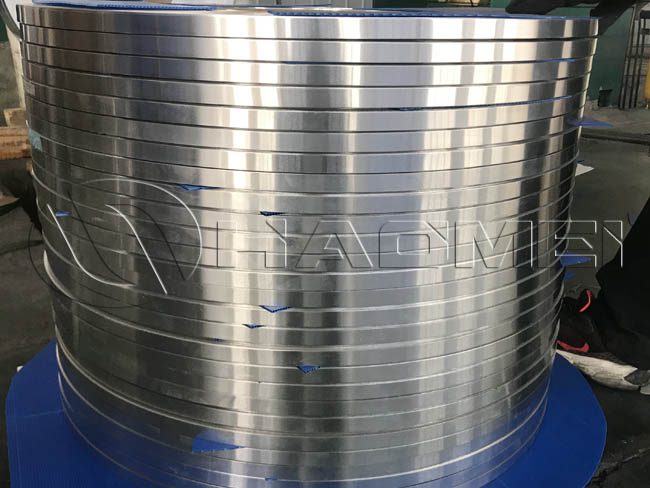
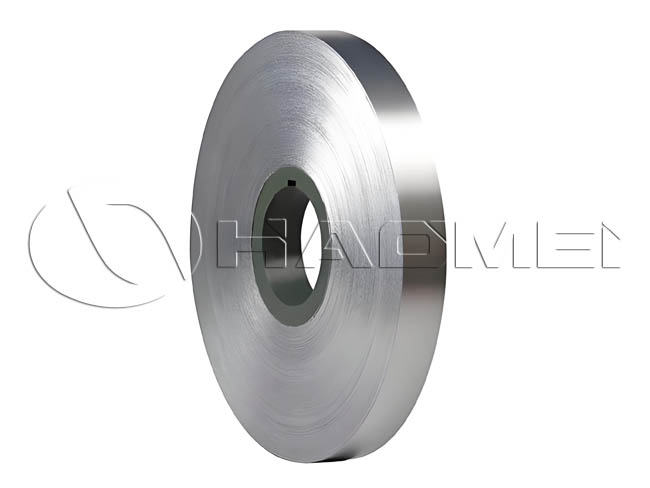
As the key material determining the performance of interlocked armor, 5000 series aluminum alloy strip has become a preferred choice for upgrading cable armoring solutions among mid- to high-end cable manufacturers worldwide, thanks to its unique performance advantages.
What Is Interlocked Cable Armor?
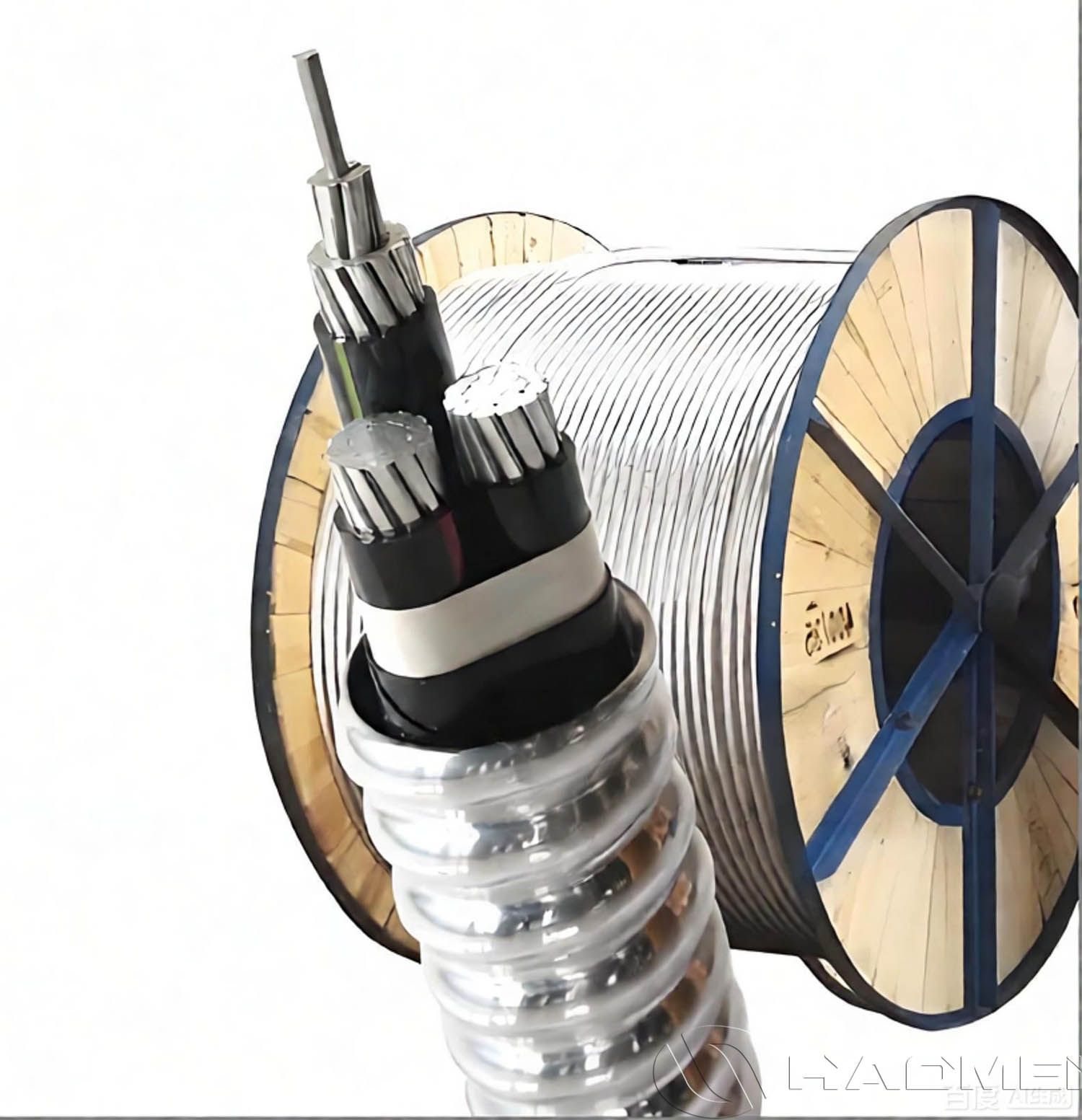
Unlike conventional steel tape armor with overlapping wraps or steel wire armor with helical winding, interlocked armor is produced using specialized armoring equipment. Metal strips with specific S-shaped or S/Z-shaped cross-sectional profiles are spirally formed layer by layer, with adjacent edges mechanically interlocked together.
This unique "flexible metal conduit" interlocking structure gives the cable three major advantages:
Excellent Side-Pressure and Impact Resistance
The armor layer helps protect the internal insulation and cable structure from external mechanical damage, impact, and compression.
Outstanding Flexibility
The interlocking structure retains small sliding clearances, allowing the cable to remain flexible during complex conduit installation, bending, and routing.
Reduced Need for Conduit Installation
In many applications, interlocked armored cables can be installed directly in exposed locations, helping reduce overall installation costs and construction time.
Common Aluminum Alloys for Interlocked Armored Cable Strip
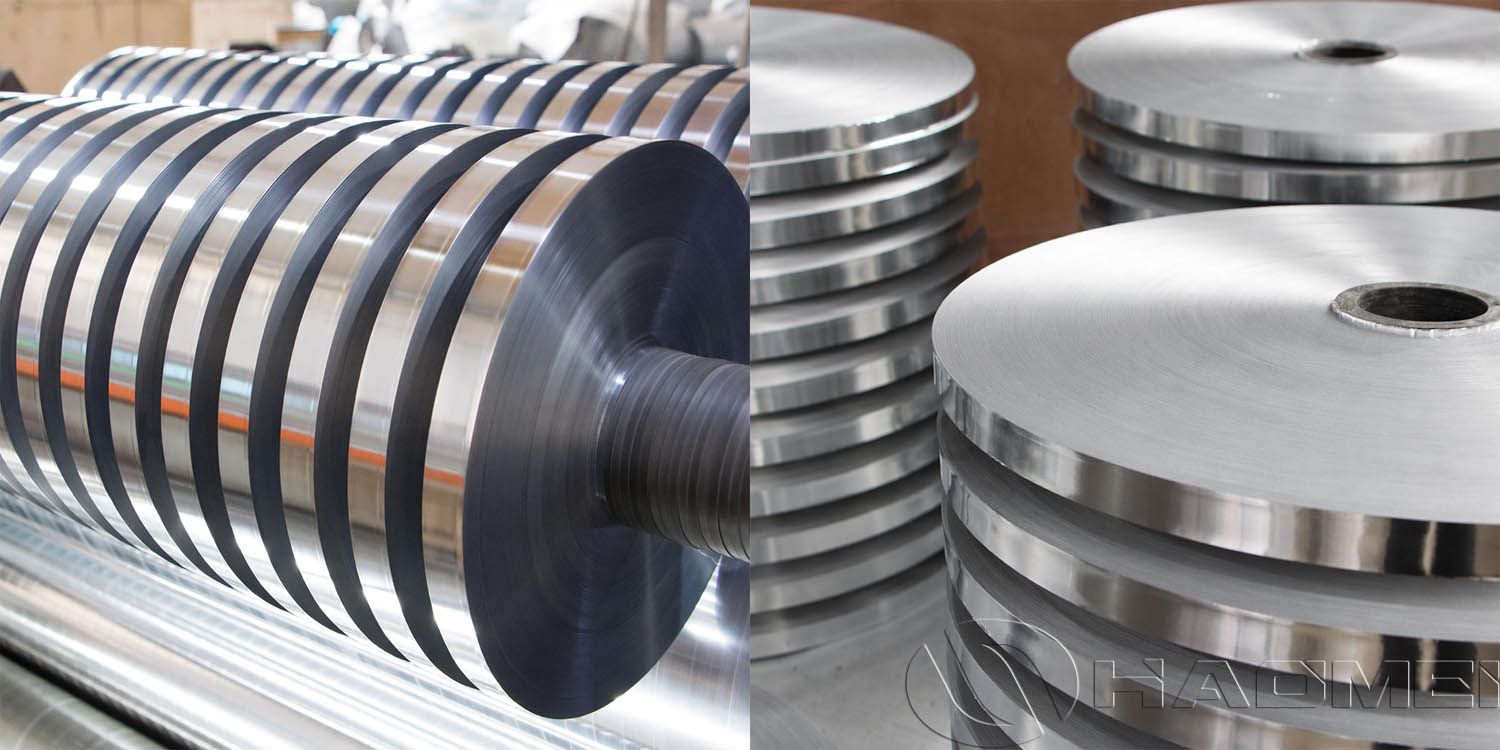
Common 5000 series aluminum alloy grades used in cable armoring include 5052, 5154, 5154A, and 5754.
Among them, 5052 is one of the most widely used grades. With a magnesium content typically ranging from 2.2% to 2.8%, it provides medium strength, with tensile strength generally in the range of 215–265 MPa, along with excellent corrosion resistance and forming performance.
5154 and 5154A offer higher strength and are suitable for applications with more demanding mechanical performance requirements.
These aluminum alloy strips are typically supplied in thicknesses ranging from 0.5 mm to 0.8 mm. The width can be customized according to armoring process requirements. Common widths include 9.5 mm, 12.7 mm, 19 mm, and 25.4 mm.
Product Specifications
| Item | Common Range |
| Alloy | 5052, 5154, 5754, 5154A, etc. |
| Temper | H16, H18, H19, H22, H24, H26, etc.; customizable |
| Thickness Range | 0.15 mm–1.50 mm |
| Common Thicknesses | 0.20 mm, 0.25 mm, 0.30 mm, 0.40 mm, 0.50 mm, 0.60 mm, 0.80 mm, 1.00 mm, etc. |
| Width Range | 5 mm–200 mm, or customized upon request |
| Common Widths | Customized according to armoring equipment, forming dies, and cable outer diameter |
| ID | 150 mm, 300 mm, 400 mm, 500 mm, 508 mm, etc. |
| OD | Determined according to equipment compatibility and coil weight requirements |
| Coil Weight | Customizable according to the load capacity of the customer's production line |
| Edge Type | Slit edge, rounded edge, deburred edge, or customized according to processing requirements |
| Supply Form | Master coils, slit coils, narrow coils, pancake coils, etc. |
| Surface Condition | Flat, clean, free from oil stains, obvious scratches, oxidation spots, and burrs |
Why Are 5000 Series Aluminum Alloy Strips Used for Interlocked Armored Cables?
1. Higher Strength
The strength of 5000 series aluminum alloy strip is generally higher than that of 1000 series pure aluminum strip and some 3000 series aluminum alloy strips. It can form an armor layer with good compression and impact resistance, improving the cable’s ability to withstand external mechanical damage.
2. Excellent Corrosion Resistance
Containing magnesium as its principal alloying element, 5000 series aluminum alloy provides good resistance to atmospheric corrosion, humid environments, and, to a certain extent, salt spray corrosion.
This makes it suitable for cable installations in humid industrial facilities, coastal areas, tunnels, underground systems, and other demanding environments.
3. Lightweight for Easier Transportation and Installation
The density of aluminum alloy is only about one-third that of steel. Replacing steel tape armor with 5000 series aluminum alloy armor can significantly reduce the overall cable weight.
This not only facilitates transportation and installation but also reduces the load imposed on building structures and cable support systems.
4. Good Formability
Through appropriate magnesium content and temper control, 5000 series aluminum alloy can balance strength, ductility, and fatigue resistance. It is well suited for continuous interlocked armoring processes involving forming, bending, folding, and mechanical interlocking.
5. Non-Magnetic Properties
Aluminum alloy is non-magnetic. It can help meet project requirements where magnetic effects, eddy-current losses, grounding continuity, fault-current paths, or other electrical design considerations need to be evaluated as part of the complete cable system.
6. Non-Sparking and Intrinsically Safe Characteristics
5000 series aluminum alloy does not easily generate sparks during normal impact. This characteristic provides an inherent safety advantage in locations near flammable or explosive materials, making it especially suitable for petrochemical plants, mines, and other hazardous environments.
Application Scenarios for 5000 Series Interlocked Aluminum Armor Strip
Construction Projects: Power wiring for high-rise buildings, commercial real estate, and industrial facilities
Public Infrastructure: Power distribution systems for subways, airports, and large-scale public facilities
Industrial Sector: Power supply for factories, mines, and chemical industrial parks
New Energy Sector: Power transmission for renewable energy projects such as solar and wind power
Comparison: 5000 Series Aluminum Alloy Interlocked Armor vs. Conventional Steel Tape Armor
| Comparison Item | 5000 Series Aluminum Alloy Interlocked Armor | Conventional Steel Tape Armor |
| Magnetism | Non-magnetic; no eddy-current loss caused by magnetic armor | Magnetic; may generate eddy-current losses |
| Weight | Lightweight; density is approximately one-third of steel | Heavy |
| Corrosion Resistance | Excellent | General; usually requires anti-corrosion treatment |
| Flexibility | Good; smaller bending radius | Relatively poor; larger bending radius |
| Installation Convenience | Can be installed without conduit or extensive cable tray systems in certain applications; faster installation | Often requires cable trays or additional installation support; more complex construction |
| Safety | Low spark-generation tendency during impact | May produce sparks during impact |
| Overall Cost | Lower total installed cost | Lower material cost, but potentially higher installation cost |
From the perspective of overall performance, 5000 series aluminum alloy interlocked armor offers significant advantages over conventional steel tape armor in safety, installation efficiency, corrosion resistance, flexibility, and long-term reliability.
Quality Requirements for Interlocked Armored Cable Aluminum Alloy Strip
| Key Control Item | Technical Requirements and Impact |
| Thickness Tolerance and Flatness | Common thicknesses are 0.5–1.0 mm. Thickness variation should generally be controlled within ±0.02 mm. The strip should be free from excessive camber, bow, and edge waviness to prevent jamming during high-speed forming. |
| Edge Quality | Slit edges must be smooth and burr-free. Burrs may scratch the inner insulation sheath during high-frequency forming and may also affect the tightness and consistency of the interlocking structure. |
| Temper Condition | H32, H34, H38, or other strain-hardened and stabilized tempers are commonly used to balance ease of forming with the hardness and strength required for armoring. |
| Surface Quality | The surface should remain clean and free from obvious oil stains, oxidation spots, dents, scratches, inclusions, corrosion marks, and other defects that could affect processing or service performance. |