 Contact Us
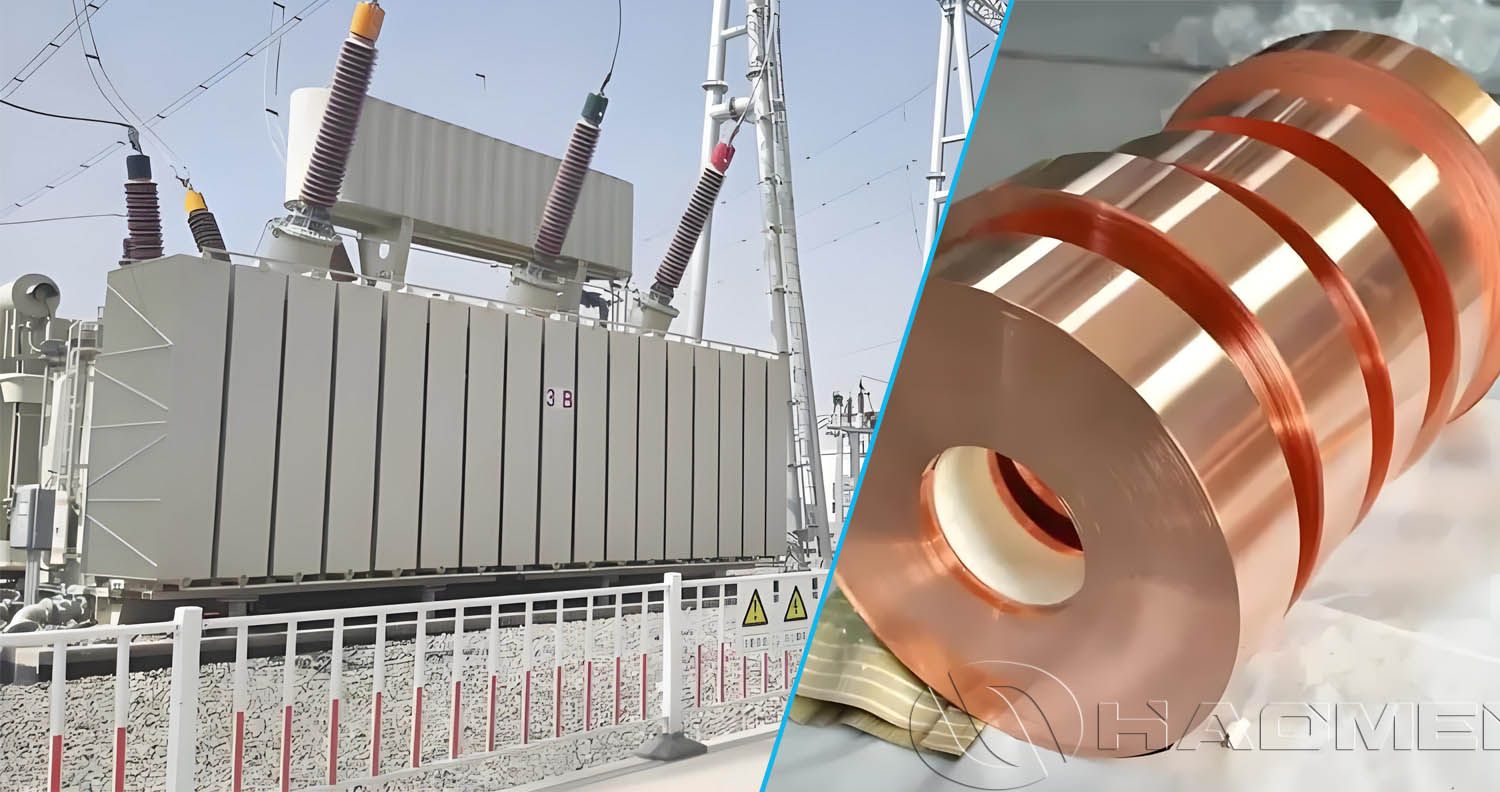
With the rapid development of the global new energy industry, photovoltaic power generation systems are expanding continuously, placing higher demands on power conversion equipment. As one of the core components of a solar power plant, the solar transformer is responsible for voltage transformation, grid connection, and power transmission. Its operating efficiency, reliability, and service life directly affect the economic performance of the entire photovoltaic power generation system.
Thanks to excellent electrical conductivity, good flexibility, stable processing performance, and high winding efficiency, low-resistance soft copper strip is becoming an increasingly important material for solar transformer windings.
What Is Low-Resistance Soft Copper Strip?
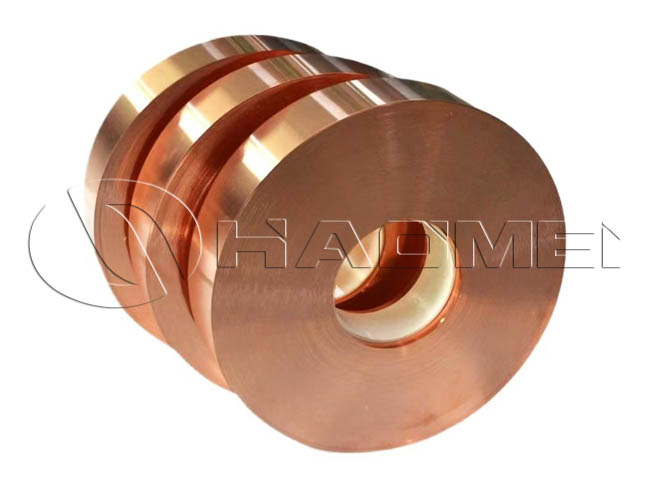
Low-resistance soft copper strip is a strip-shaped conductive material made from high-purity electrolytic copper through processes such as melting, rolling, annealing, and finishing.
Its "low-resistance" characteristic originates from the excellent electrical conductivity of copper itself. Pure copper can achieve conductivity of 100% IACS or above, where IACS refers to the International Annealed Copper Standard. The term "soft" means that the material has been annealed to a soft temper, giving it excellent flexibility and elongation for winding and forming applications.
Main Features
Low resistivity: High-purity copper and specialized processing reduce electrical resistance and energy losses.
Excellent softness: Easy to form and wind, making it suitable for complex winding structures.
High purity: Copper purity is typically 99.99% or higher, minimizing the impact of impurities on conductivity.
Superior electrical conductivity: Ensures smooth current flow and reduces heat generation.
Anti-oxidation treatment: Surface treatments can improve oxidation resistance and long-term durability.
The Role of Low-Resistance Soft Copper Strip in Solar Transformer Windings
In solar transformers, windings are essential components for voltage conversion, electrical isolation, and power transmission within photovoltaic systems. As the core conductive material of the winding, low-resistance soft copper strip provides several important benefits.
1. Reducing Resistive Losses and Improving Efficiency
Transformer efficiency is one of the most important performance indicators in photovoltaic applications. Low-resistance soft copper strip can significantly reduce winding resistance, thereby minimizing energy loss during power transmission and voltage conversion.
This directly improves overall transformer efficiency and enables photovoltaic systems to achieve greater energy output and better project returns.
2. Reducing Heat Generation and Extending Service Life
Because low-resistance soft copper strip has low resistivity, less heat is generated when electrical current passes through the windings. This helps lower the transformer’s operating temperature, slows insulation aging, extends equipment service life, and reduces maintenance costs.
3. Improving Electromagnetic Performance
Low-resistance soft copper strip provides stable electrical and electromagnetic performance. It can help minimize electrical losses and support reliable transformer operation over extended periods.
For photovoltaic systems, which are expected to deliver stable power output for many years, winding material reliability is especially important.
4. Adapting to Complex Winding Structures
Solar transformer windings often feature complex designs to meet different power ratings, voltage levels, insulation structures, and installation requirements. The flexibility and formability of soft copper strip allow it to adapt to these winding geometries more easily.
This helps ensure winding precision, compact coil construction, and long-term mechanical stability.
Common Copper Materials for Transformer Windings
1. C11000 Electrolytic Copper Strip (T2 Copper)
C11000, also known as T2 copper, is one of the most widely used copper materials for transformer windings.
Main Features
Copper content of ≥99.90%
High electrical conductivity
Low electrical resistance
Excellent processing performance
Mature and stable supply availability
Typical Applications
Solar step-up transformers
Dry-type transformers
Distribution transformers
Reactor windings
C11000 soft copper strip provides an excellent balance between electrical conductivity and processing performance, making it a mainstream choice for new energy transformer manufacturing.
2. TU1 Oxygen-Free Copper Strip
TU1 is a high-purity oxygen-free copper material with lower oxygen content than standard electrolytic copper.
Advantages
Excellent electrical conductivity
Strong oxidation resistance
Good high-temperature stability
Suitable for high-reliability electrical equipment
Typical Applications
High-end renewable energy transformers
Electrical equipment used in special environments
High-efficiency power equipment
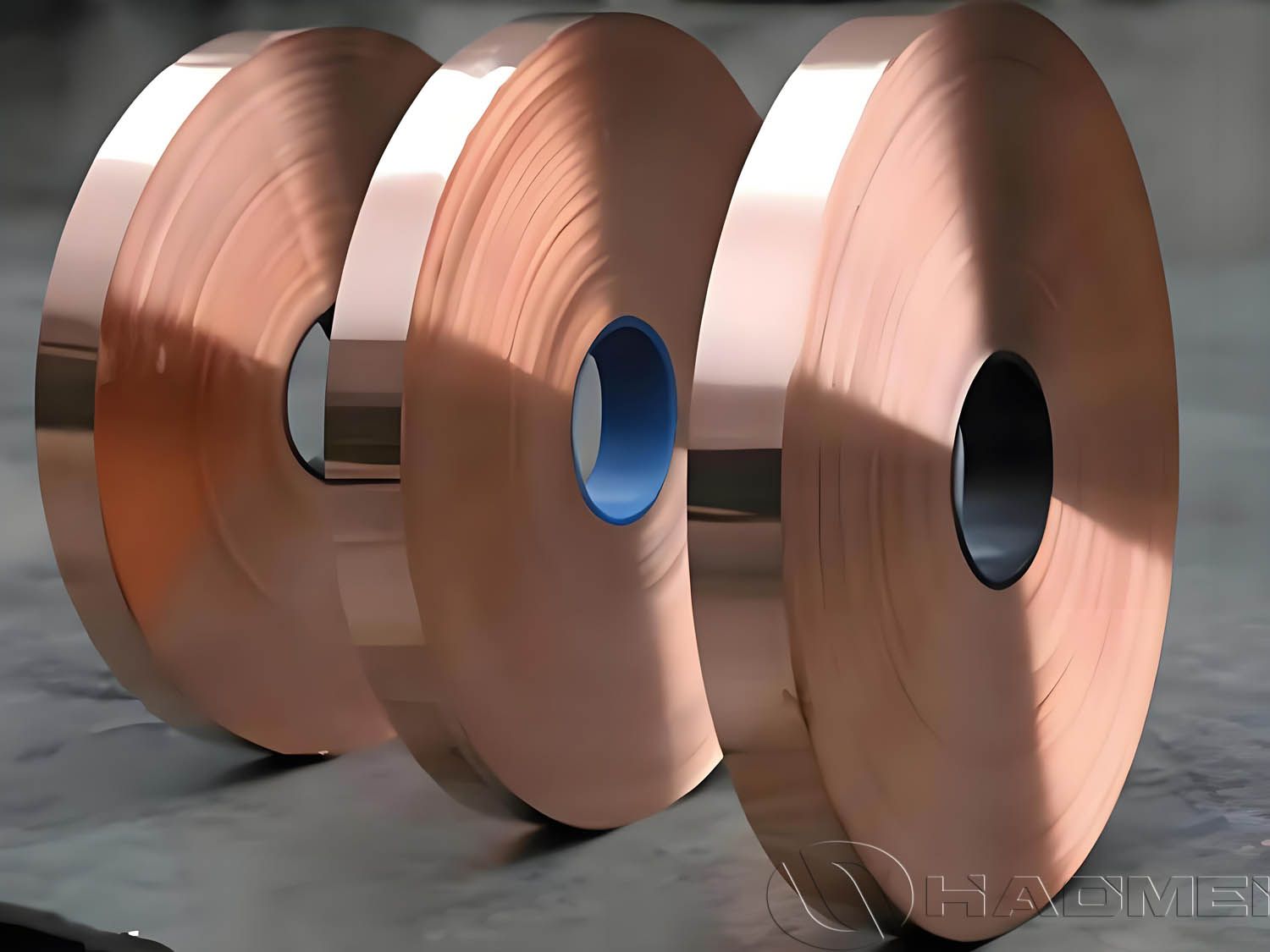
Specifications for Copper Strip Used in Transformer Windings
| Item | Common Range or Requirement |
| Material | T2 copper, TU1 oxygen-free copper, C11000, etc. |
| Copper content | Typically ≥99.90%; higher purity available for premium products |
| Temper | Soft temper (O temper), extra-soft temper |
| Thickness | 0.05 mm–3.0 mm, customizable |
| Width | 2 mm–300 mm, customizable |
| Thickness tolerance | Can be controlled according to customer specifications |
| Width tolerance | Can be controlled according to winding and assembly requirements |
| Electrical conductivity | ≥97% IACS |
| Surface condition | Bright, flat, free from obvious oil stains, oxidation marks, and scratches |
| Edge options | Sheared edge, rounded edge, deburred edge, chamfered edge, etc. |
| Surface treatment | Bare copper, tin-plated, silver-plated, insulation-coated, etc. |
| Supply form | Coils, spools, strips, and cut-to-length sheets |
Performance Advantages of Copper Strip for Solar Transformer Windings
Exceptional Purity
Soft copper strip is typically produced from high-purity oxygen-free copper with a purity of 99.97% or higher. By precisely controlling impurities such as oxygen, sulfur, and iron, manufacturers can maintain low resistivity and stable electrical performance.
Excellent Electrical Conductivity
High-quality soft copper strip can achieve electrical conductivity ranging from 97% to 102% IACS. T2 copper, with a copper content of at least 99.95%, is widely used in transformer windings because it offers low resistance, low heat generation, good toughness, easy bending, and low risk of breakage.
Strong Thermal Stability
During normal operation, transformer winding temperatures typically range from 60°C to 150°C or even higher. After annealing and other specialized treatments, low-resistance soft copper strip can maintain stable electrical conductivity and mechanical properties under elevated-temperature conditions.
Corrosion Resistance and Long Service Life
Soft copper strip provides good corrosion resistance. With appropriate surface protection and proper transformer insulation design, it is less likely to oxidize excessively, deform, or lose performance during long-term operation.
High Flexibility and Structural Adaptability
Soft copper strip has excellent flexibility and can accommodate minor vibration, thermal expansion, and contraction during transformer operation. This makes it particularly suitable for foil windings, compact winding structures, and high-current applications.
Product Quality Requirements
To ensure that low-resistance soft copper strip can operate reliably in solar transformers for more than 25 years, strict quality control is essential during manufacturing.
Annealing Control
Continuous vacuum annealing or protective-atmosphere annealing should be used to ensure that the copper strip surface remains free from oxidation and discoloration. Proper annealing also helps achieve uniform tensile strength and elongation across the entire coil.
Burr-Free Edge Treatment
Tiny burrs generated during slitting can become serious risks for insulation breakdown and partial discharge (PD). Premium low-resistance soft copper strip should undergo chamfering, edge rounding, or precision polishing to ensure smooth, defect-free edges.
Surface Flatness and Thickness Tolerance
Thickness tolerance should be controlled at the micron level, typically within ±1% to ±2%. This helps prevent accumulated dimensional deviation during winding, which could otherwise result in uneven coil end faces or inconsistent winding structures.
Comparison Between Low-Resistance Soft Copper Strip and Other Winding Conductors
1. Compared with Round Copper Wire
Round copper wire is suitable for conventional winding structures and is widely used because of its mature processing technology. However, in high-current applications and limited winding-window spaces, gaps remain between round conductors, resulting in relatively lower space utilization.
Low-resistance soft copper strip offers a higher filling factor and better flat-layout capability. It is especially suitable for high-current low-voltage windings, foil windings, and compact transformer designs.
2. Compared with Aluminum Strip
Aluminum strip offers lower cost and lighter weight and is widely used in certain transformer applications. However, aluminum has lower conductivity than copper. To achieve the same current-carrying capacity, aluminum conductors generally require a larger cross-sectional area.
For solar transformers requiring compact dimensions, low losses, high reliability, or high power density, copper strip typically provides clearer performance advantages. Copper strip also performs well in welding, crimping, and long-term connection reliability.
3. Compared with Hard Copper Strip
Hard copper strip has higher strength but lower flexibility. During winding and bending, it is more likely to experience springback or stress concentration.
Soft copper strip is better suited for continuous winding and complex forming processes. It improves manufacturing efficiency and winding consistency. Therefore, soft copper strip is generally a more suitable option for foil-wound transformers, compact winding structures, and automated winding production lines.