 Contact Us
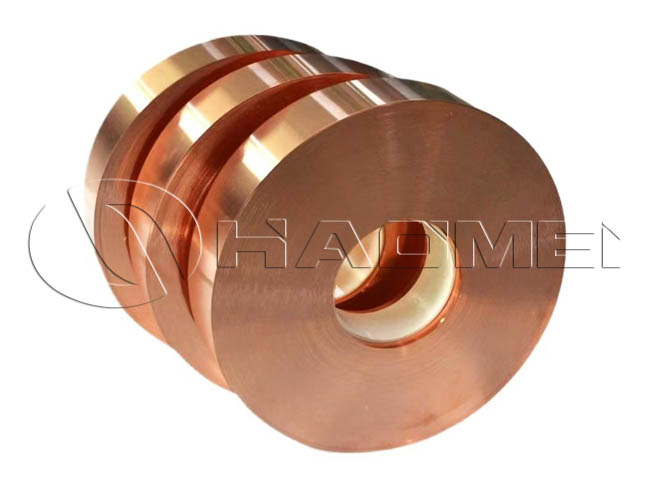
In the heart of a power transformer—the winding—the selection of conductor material directly determines the transformer's efficiency, service life, and reliability. Among various conductive materials, C1100 ETP soft annealed copper strip has become a benchmark material for transformer windings due to its outstanding electrical conductivity, excellent processing performance, and reliable long-term stability.
This article provides an in-depth introduction to the properties, processing advantages, and critical value of this material in transformer winding applications.
What Is C1100 ETP Soft Annealed Copper Strip?
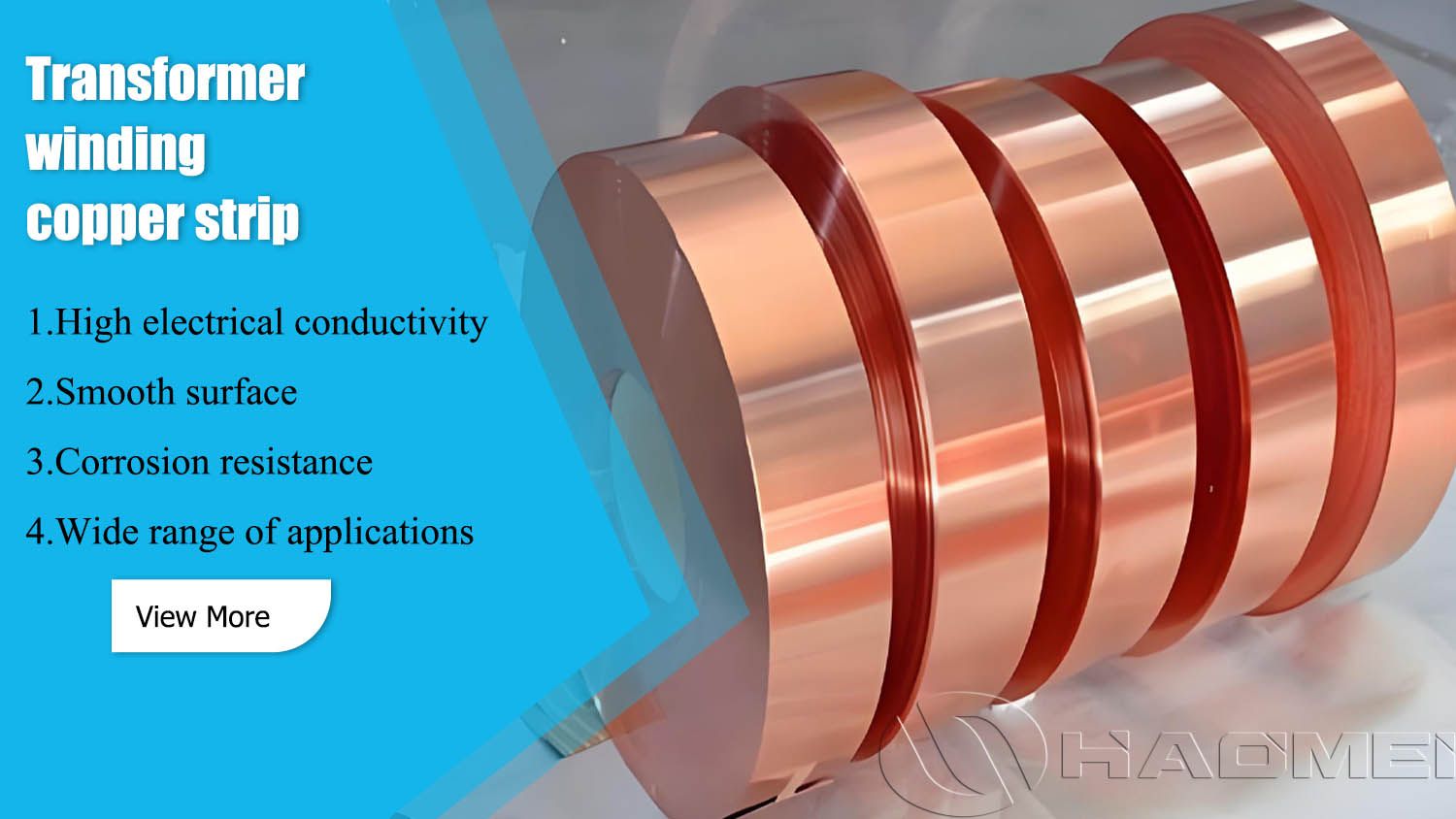
C1100 ETP copper, or Electrolytic Tough Pitch Copper, is a high-purity copper material with a copper content generally no less than 99.90%. Its electrical conductivity can reach 100% IACS or above. With a thermal conductivity of approximately 386–394 W/(m·K), a density of about 8.94 g/cm³, and a melting point of 1083°C, it is one of the most widely used industrial pure copper materials worldwide.
After soft annealing (O temper), the internal grain structure of the copper strip becomes more uniform. The material becomes softer and offers excellent plasticity and elongation, enabling it to meet the processing requirements of transformer winding, bending, and forming.
C1100 ETP soft annealed copper strip combines high electrical conductivity with good mechanical properties, making it an important base material for manufacturing high-efficiency transformer windings.
The Role of Copper Strip in Transformer Windings
1. Reducing Winding Resistance and Copper Loss
Copper strip has low electrical resistivity. Using high-conductivity C1100 ETP copper strip can effectively reduce the DC resistance of transformer windings, thereby lowering energy losses and improving overall transformer operating efficiency.
2. Improving Temperature Rise Performance
In addition to excellent electrical conductivity, C1100 ETP copper strip also has good thermal conductivity, helping heat dissipate more evenly throughout the winding. Proper selection of high-conductivity copper strip can reduce the risk of localized overheating and improve the thermal stability of transformers.
3. Suitable for High-Current Winding Structures
Copper strip has a relatively large cross-sectional area and is particularly suitable for low-voltage, high-current transformer windings. Compared with multiple round copper wires connected in parallel, copper strip windings have a more orderly structure, higher filling factor, and easier control during the winding process.
4. Improving Mechanical Stability of Windings
High-quality copper strip provides stable mechanical properties and good resistance to deformation, helping improve the overall structural stability of transformer windings.
Transformer Winding Copper Strip Specifications
| Item | Specification |
| Material Grade | C1100 / ETP Copper |
| Copper Content | ≥99.90% |
| Electrical Conductivity | ≥100% IACS |
| Temper | O Temper / Soft Annealed |
| Thickness | 0.05–3.0 mm |
| Width | 5–600 mm, customizable |
| Length | 1000–16000 mm |
| Surface | Bright, oxidation-free, scratch-free |
| Edge Condition | Rounded edges, deburred |
| Standards | ASTM B152, JIS H3100, EN 1652 |
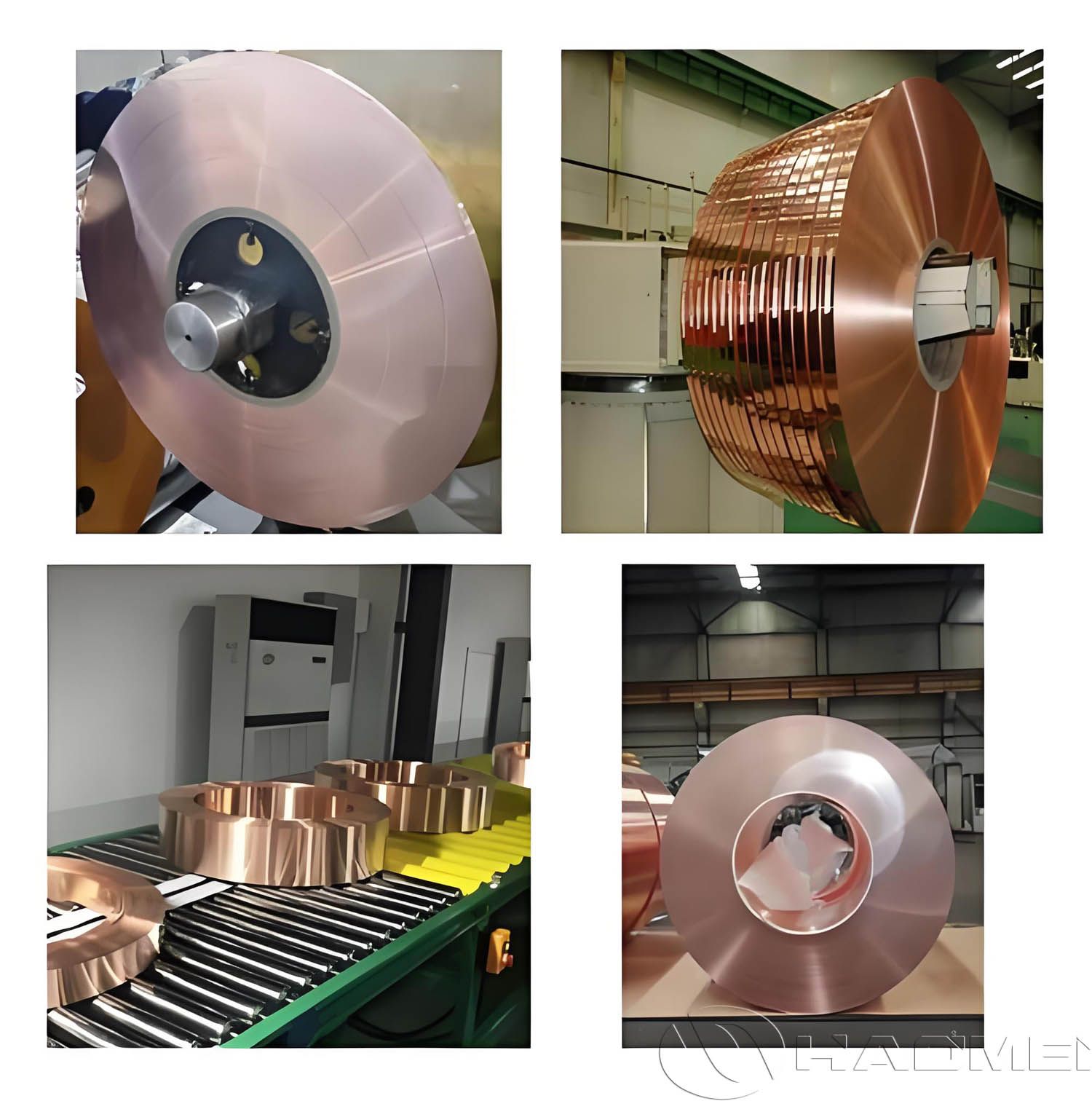
| Supply Form | Coils, pancake coils, slit coils, straight strips |
| Packaging | Wooden cases, pallets, moisture-proof film, vacuum or anti-oxidation packaging |
Main Features of C1100 ETP Soft Annealed Copper Strip
C1100 ETP soft annealed copper strip offers several key characteristics that make it an ideal material for transformer windings.
1. High Electrical Conductivity
C1100 copper has extremely high electrical conductivity, typically in the range of 5.96 × 10⁷ S/m. This enables it to effectively reduce electrical resistance and energy losses, thereby improving transformer efficiency.
2. Good Mechanical Properties
The soft annealing process provides the copper strip with excellent ductility and formability. It can be formed into accurate coil shapes during winding while retaining sufficient mechanical strength to withstand stresses encountered during normal operation.
3. Excellent Thermal Stability
C1100 copper has good thermal stability and can withstand heat generated during transformer operation without significant performance degradation.
4. Oxidation Resistance
Copper naturally forms a protective oxide layer in air, which helps prevent further oxidation and corrosion.
5. Flat Surface and High-Quality Edges
Copper strip used for transformer windings generally requires a flat, clean surface free of obvious oxidation, dents, scratches, oil stains, and burrs.
6. Good Weldability and Connection Performance
C1100 ETP copper strip has good processing adaptability for winding leads, terminal connections, copper busbar connections, and localized welding operations.
Applications of C1100 Transformer Winding Copper Strip
Transformer winding copper strip is widely used in:
Oil-immersed transformers
Dry-type transformers
Distribution transformers
New energy transformers
Special-purpose transformers
Rectifier transformers
Electric furnace transformers
Photovoltaic step-up transformers
Wind power transformers
Energy storage transformers
Quality Requirements for C1100 ETP Soft Annealed Copper Strip
To ensure the long-term stable operation of transformers, high-quality C1100 copper strip should meet the following requirements.
1. High Dimensional Accuracy
Tight thickness tolerance
High width consistency
Smooth and even edges
These characteristics are beneficial for automated winding and help improve production efficiency.
2. Excellent Surface Quality
High-quality copper strip should feature:
A bright and smooth surface
No scratches
No dents
No oxidation spots
No oil contamination
Good surface quality can improve insulation layer adhesion and reduce the risk of partial discharge.
3. High Elongation
In the soft annealed condition, copper strip has good plasticity and can accommodate complex winding designs while reducing the risk of cracking during processing.
4. Low Internal Stress
A uniform annealing process can effectively reduce internal stress in the material, minimize deformation during processing, and improve winding stability.
Copper Strip vs. Aluminum Strip: Why Copper Remains the Preferred Choice for Transformer Windings
In transformer winding applications, aluminum strip is also used in certain situations because of its cost advantages. However, copper strip offers irreplaceable advantages in several aspects:
Current-Carrying Capacity
Copper has approximately twice the current-carrying capacity of aluminum. With the same cross-sectional area, copper can carry a higher current.
Size and Weight
For the same capacity, copper-wound transformers can generally achieve a more compact size and reduced overall weight due to the smaller conductor cross-section required.
Durability
Copper is less prone to expansion than aluminum and provides better creep resistance.
Reliability
Copper windings offer more stable performance under high-temperature conditions and long-term operation.
Although the material cost of copper is generally higher than that of aluminum, the superior energy efficiency, more compact design, and longer service life often make copper strip windings more economical over the full product life cycle.
FAQ
1. What types of transformers are suitable for C1100 ETP soft annealed copper strip?
C1100 ETP soft annealed copper strip can be widely used in oil-immersed transformers, dry-type transformers, distribution transformers, photovoltaic step-up transformers, wind power transformers, energy storage transformers, and various special-purpose transformers.
2. Why is soft annealed O-temper copper strip more suitable for transformer windings?
O-temper copper strip has higher elongation and flexibility, making it easier to wind, bend, and form. It is less likely to crack during processing, helping improve winding efficiency and product reliability.
3. What is the electrical conductivity of C1100 ETP copper strip?
C1100 ETP copper strip typically achieves an electrical conductivity of 100% IACS or higher. It can effectively reduce winding resistance and copper losses, improving overall transformer efficiency.
4. What factors should be considered when selecting copper strip for transformer windings?
Key factors include copper purity, electrical conductivity, thickness tolerance, width accuracy, surface quality, elongation, edge treatment, annealing temper, and compliance with relevant international standards.
5. What are the common specifications of C1100 ETP copper strip?
Common thicknesses range from 0.05 mm to 3.0 mm, while common widths range from 5 mm to 600 mm. Customized dimensions and slitting services can be provided according to customer winding designs and equipment requirements.