 Contact Us
In modern power systems, cable safety and reliability are of critical importance. As a high-performance cable type, armored cable is widely used in industrial, commercial, and residential applications for power and signal transmission. Aluminum strip is an important component of armored cables. It not only provides mechanical protection but also helps prevent damage caused by external forces and environmental exposure.
What Is a 0.5 mm Aluminum Strip for Armored Cables?
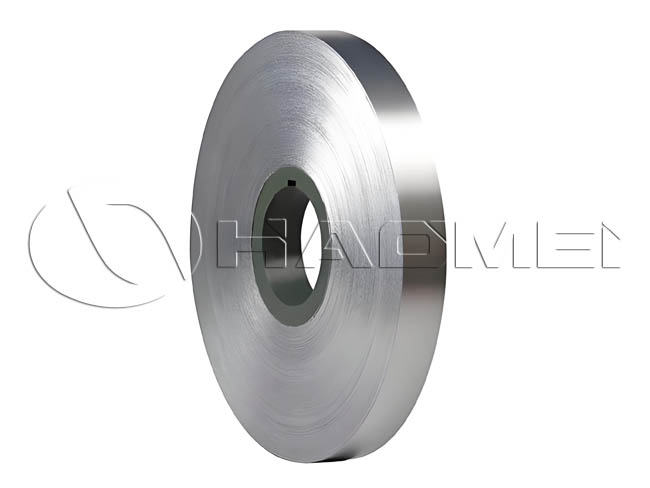
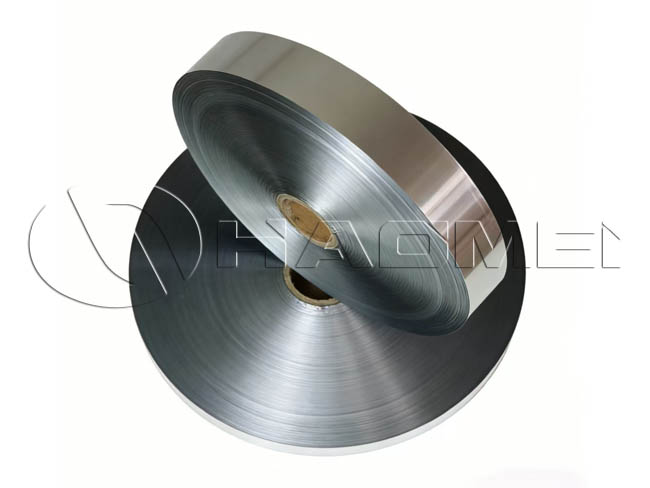
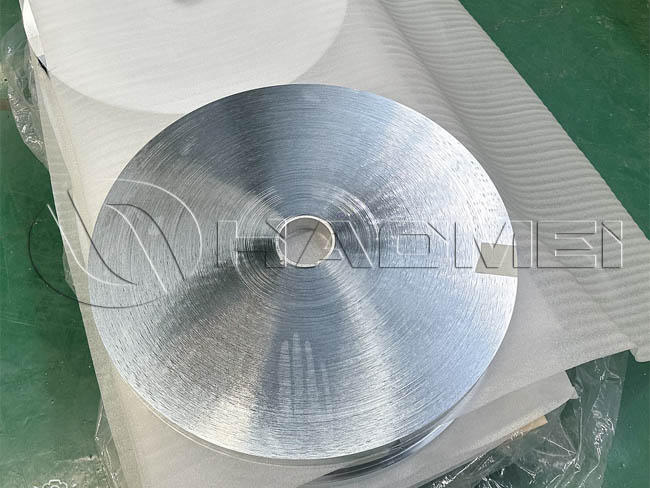
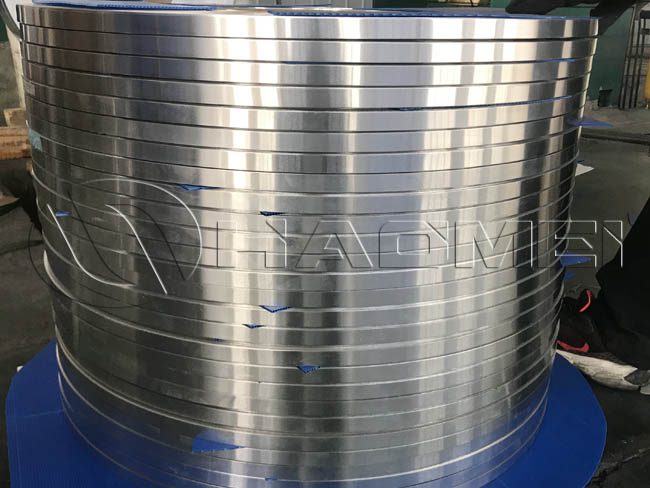
Armoring aluminum strip is an aluminum alloy coil strip used in the cable armoring process. It is applied around the outer surface of the inner sheath through helical wrapping or interlocking forming, creating a metal protective layer. The material may be produced with reference to GB/T 33367-2016, Aluminum Alloy Strips for Armored Cables.
A thickness of 0.5 mm is a highly common industry specification. It provides a practical balance among mechanical protection, strip flexibility, total cable weight, and processing compatibility.
Aluminum strips for cable armoring are generally made from 5xxx series magnesium-containing aluminum alloys, including 5052, 5154, and 5154A. These alloys offer improved strength and salt-spray corrosion resistance, making them particularly suitable for coastal areas, chemical environments, and outdoor high-humidity conditions. They are often preferred materials for armoring high-voltage single-core cables.
The commonly used tempers include fully annealed O temper and semi-hard H22/H24 tempers:
O temper provides high elongation and is less likely to crack during high-speed wrapping.
Semi-hard tempers improve the radial compression resistance of the formed armor layer.
Cable manufacturers can select the appropriate temper according to their armoring equipment, cable design, and end-use requirements.
Key Technical Requirements for 0.5 mm Cable Armoring Aluminum Strip
High-quality 0.5 mm aluminum strip for cable armoring must meet strict requirements in thickness accuracy, edge quality, flatness, and surface condition.
Nominal Thickness
The nominal thickness is 0.5 mm. Thickness tolerance is strictly controlled, commonly within ±0.02 mm, to ensure wrapping consistency throughout the coil and to prevent fluctuations in the finished cable outer diameter.
Width
The strip width can be customized according to the cable diameter and structural design. Proper width selection ensures that the required overlap ratio can be achieved during the armoring process.
Edge Quality
The strip edges should be burr-free and may be rounded or deburred as required. Smooth edges help prevent scratches or punctures to the cable inner sheath and insulation layer.
Strip Flatness and Camber Control
Side camber, also known as strip curvature or "sickle bend," should be strictly controlled. Stable strip shape is essential for continuous high-speed feeding, wrapping, and forming on armoring machines, helping reduce strip breakage and production downtime.
Surface Quality
The strip surface should be clean and free from oil contamination, scratches, peeling, corrosion spots, and other defects. A high-quality surface supports stable bonding and compatibility with the outer cable sheath.
Electromagnetic Properties
Aluminum alloys are completely non-magnetic. This characteristic helps avoid eddy-current heating in AC single-core medium- and high-voltage cable systems.
Structure and Functions of Armored Cables
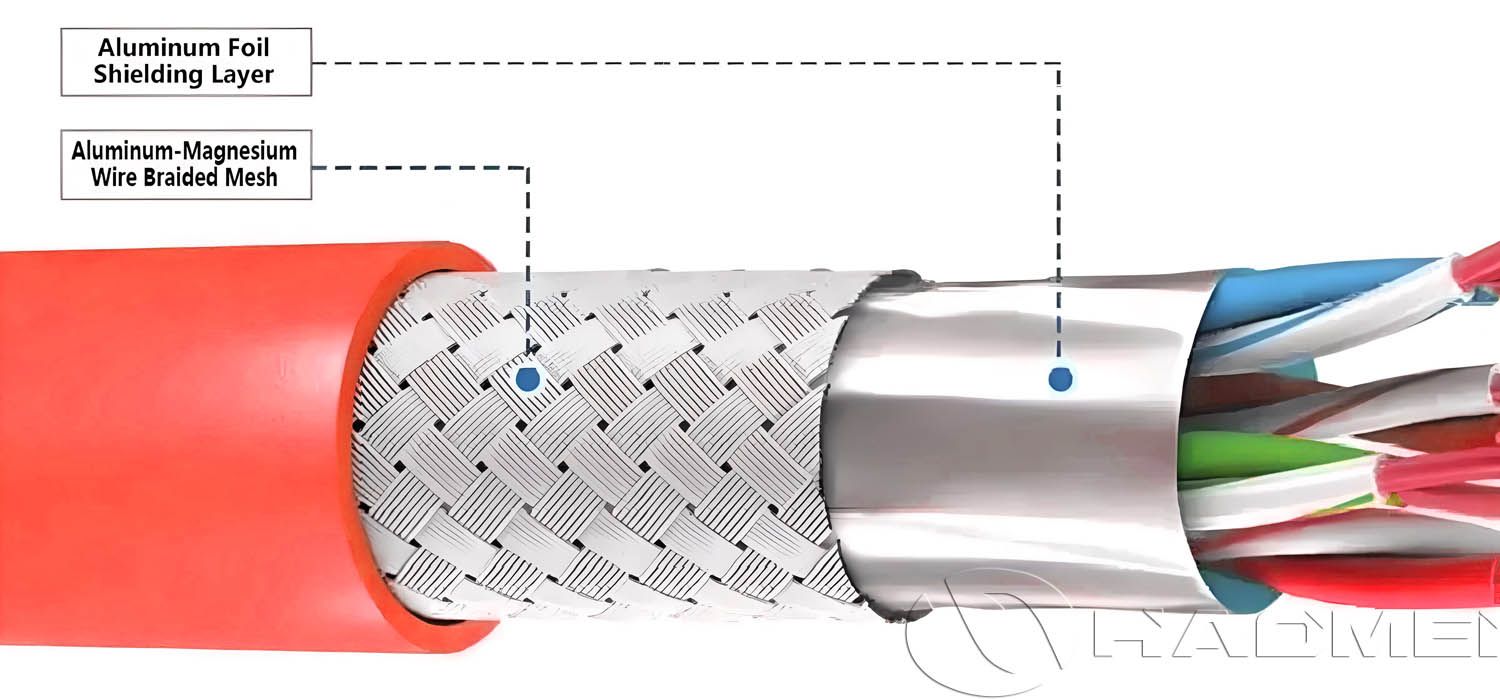
1. Basic Structure of an Armored Cable
An armored cable generally consists of the following main components:
Conductor: Usually made of copper or aluminum and used to carry electrical current.
Insulation Layer: Positioned around the conductor to prevent current leakage and electrical breakdown.
Armor Layer: Usually made of steel, aluminum, copper, or alloy strip, providing protection against mechanical damage and external environmental influences.
Outer Sheath: Located outside the armor layer and designed to protect the cable from water, dust, chemicals, sunlight, and other environmental factors.
2. Functions of the Armor Layer
The armor layer plays a vital role in armored cable construction:
Mechanical Protection: Protects the cable from compression, abrasion, impact, and other mechanical damage.
Environmental Protection: Helps protect the cable against moisture, dust, chemical substances, and other external environmental conditions.
Electromagnetic Shielding: In certain applications, the armor layer can provide electromagnetic shielding and reduce the impact of electromagnetic interference on the cable.
Main Advantages of Aluminum Strip for Cable Armoring
1. Non-Magnetic Performance
Aluminum and aluminum alloys are non-magnetic materials. A 0.5 mm aluminum strip armor layer can effectively avoid eddy-current effects, helping ensure the safe and stable operation of single-core high-voltage and medium-voltage AC cables.
2. Lightweight Construction
The density of aluminum is only about one-third that of steel. Under similar protection requirements, aluminum-armored cables can be significantly lighter than steel tape armored cables.
This weight reduction makes aluminum strip particularly valuable in applications involving long cable runs, elevated installations, cable trays, buildings, transportation systems, and other projects where cable weight matters.
3. Excellent Corrosion Resistance
Aluminum naturally forms a dense aluminum oxide passive film on its surface. This protective layer helps resist moisture, salt spray, and certain chemical media. As a result, aluminum alloy armoring strip offers good corrosion resistance in humid environments and many outdoor applications.
For highly corrosive environments, such as marine, chemical, or long-term high-salinity conditions, the aluminum strip should be combined with appropriate protective sheathing and corrosion-control measures.
4. Excellent Formability
During the helical wrapping and interlocking processes, aluminum strip can be formed into a stable overlapping armor layer without easily developing cracks or fractures. With appropriate elongation, it can support continuous production of cable lengths extending to several thousand meters.
This reduces strip breakage, minimizes material waste, and improves production efficiency for cable manufacturers.
5. Good Thermal Conductivity
Aluminum has good thermal conductivity. In some power cable constructions, the aluminum metal layer not only provides mechanical protection but may also contribute to heat transfer and heat dissipation.
Product Specification Parameters
| Item | Specification |
| Thickness | 0.5 mm |
| Thickness Tolerance | ±0.03 mm |
| Width | Customized according to cable structure, such as 20 mm, 30 mm, 40 mm, 50 mm, 60 mm, and wider sizes |
| Width Tolerance | ±0.08 mm, suitable for wrapping or longitudinal forming equipment |
| Length | 1000-16000mm |
Alloy | 5052, 5154, 5154A, etc. |
| Temper | O, H24, H32, etc. |
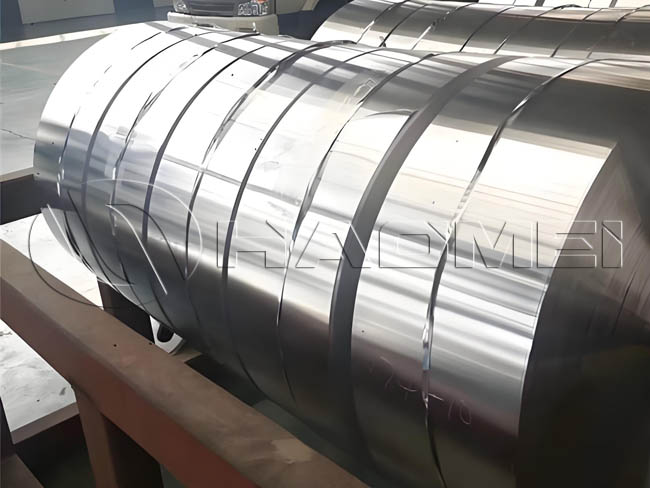
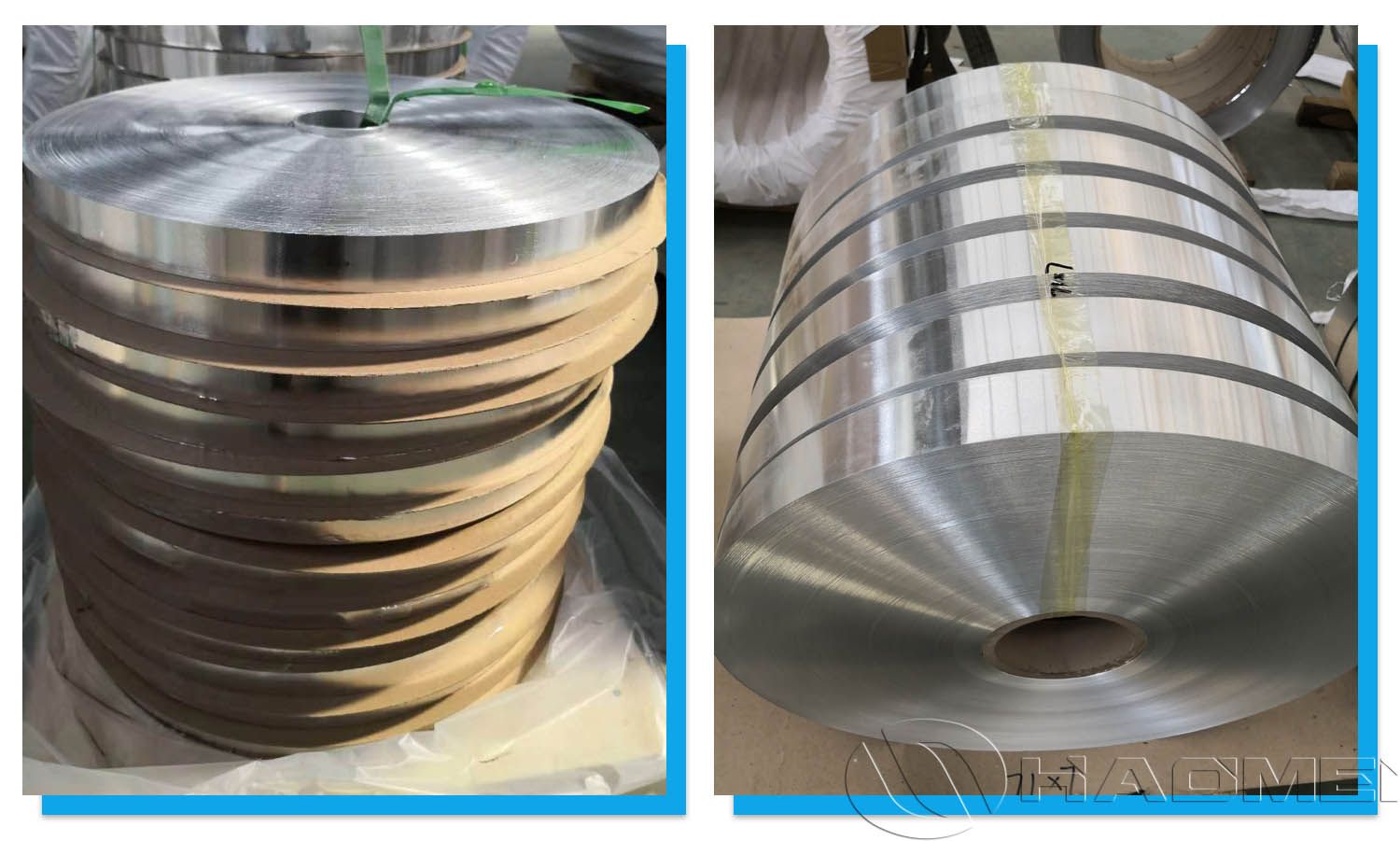
| Supply Form | Coil, slit coil, jumbo coil, or pancake coil |
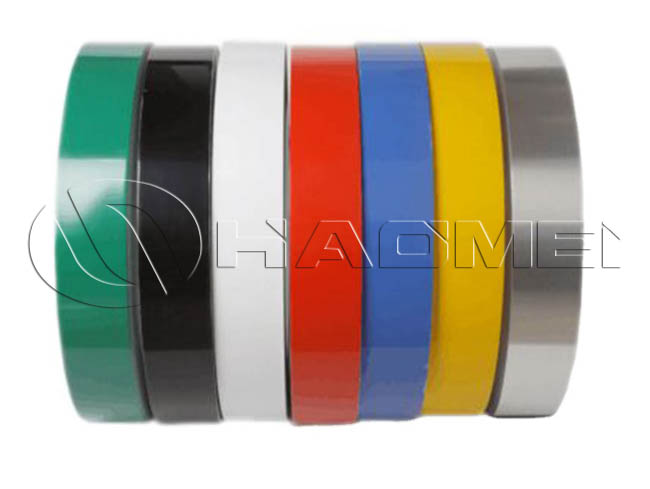
| Surface Finish | Mill finish, embossed, oiled, unoiled, laminated, or specially treated |
| Edge Condition | Burr-free, low-burr, rounded edge, deburred edge, or customized requirements |
| Coil Inner Diameter | Customized according to pay-off equipment requirements |
| Coil Weight | Determined according to production line capacity and transportation requirements |
| MOQ | 3 tons |
Which Types of Armored Cables Use 0.5 mm Aluminum Strip?
1. Medium- and Low-Voltage Power Cables
0.5 mm aluminum strip is widely used in power transmission cables for building distribution systems, industrial plants, grid projects, substations, and infrastructure applications. It provides compression resistance and mechanical protection for the cable.
2. Control Cables and Instrumentation Cables
In automation systems, instrumentation systems, and industrial control equipment, aluminum strip can provide both mechanical protection and auxiliary shielding performance.
3. Mining Cables
Mining environments often expose cables to mechanical pulling, rock compression, moisture, dust, and difficult installation conditions. Proper aluminum alloy armoring helps improve cable service life and operational safety.
4. Railway and Rail Transit Cables
Metro, high-speed rail, light rail, and railway signaling systems have demanding requirements for cable weight, vibration resistance, flame retardancy, and reliability. Aluminum strip armoring can provide mechanical protection while supporting lightweight cable design.
5. Marine and Offshore Engineering Cables
Ships, ports, offshore platforms, and marine facilities are commonly exposed to high humidity and salt spray. These conditions require materials with strong corrosion resistance. Aluminum strip can be used as a lightweight metal protective layer, provided it is combined with suitable corrosion-resistant cable sheath systems.
6. Communication and Data Transmission Cables
In certain communication, low-voltage, and signal cable applications, aluminum strip can be used as a shielding layer, composite layer, or reinforcement layer to improve anti-interference performance and structural stability.
7. Interlocked Armored Cables
Interlocked armor is a typical metal-strip armoring structure. The aluminum strip is specially formed into an interlocking profile that wraps around the cable exterior while maintaining a certain level of flexibility.
This construction offers an effective balance between mechanical protection, flexibility, and installation convenience.
Production Process of 0.5 mm Aluminum Strip
High-quality aluminum strip for armored cable applications requires a carefully controlled production process.
A typical manufacturing process includes:
Aluminum ingot → Melting → Continuous casting and rolling / Hot rolling → Cold rolling → Annealing → Finishing → Slitting → Inspection → Packaging
Each step influences the final strip thickness, mechanical properties, surface quality, edge condition, and forming performance.
Processing and Installation Considerations for 0.5 mm Aluminum Strip
To ensure the final quality of 0.5 mm aluminum strip armored cables, key details must be controlled during cable manufacturing and field installation.
1. Control of Wrapping Tension and Overlap Ratio
During the armoring process, strip tension must remain stable.
Excessive tension may stretch the 0.5 mm aluminum strip, reduce its actual thickness, or even cause breakage.
Insufficient tension may result in loose wrapping and an unstable armor layer.
The overlap ratio should generally be maintained at approximately 15% to 25%. Proper overlap helps prevent the armor layer from splitting or exposing the cable core when the cable is bent.
2. Burr-Free Precision Slitting
If the edges of 0.5 mm aluminum strip contain burrs, microcracks, or small edge defects, they may puncture the inner sheath during high-speed wrapping. Stress concentration at these defects can also lead to strip breakage.
High-precision rotary slitting equipment should be used to ensure clean, smooth edges. The edge burr height should preferably be controlled within 0.01 mm.
3. Prevention of Electrochemical Corrosion at Grounding Connections
Although aluminum strip has good conductivity, special attention should be given to cable terminations and joints. Copper and aluminum should not be directly connected in humid environments, as this may result in galvanic corrosion.
It is recommended to use appropriate copper-aluminum transition connectors, bimetallic terminals, or constant-force springs where required to maintain reliable electrical contact and reduce the risk of electrochemical corrosion.