 Contact Us
In demanding environments such as power distribution, petrochemical plants, rail transit systems, mining operations, and industrial facilities, cables are often exposed to severe mechanical compression, impact, tensile stress, and chemical corrosion. To provide strong protection for internal conductors and insulation layers, Interlocked Armor technology is widely used.
Among various armoring materials, aluminum alloy strip has gradually become a preferred alternative to traditional steel strip for medium-voltage, low-voltage, and certain high-voltage cable armoring applications. With its light weight, corrosion resistance, non-magnetic properties, absence of hysteresis loss, and excellent bending performance, aluminum alloy strip offers significant advantages in modern cable manufacturing.
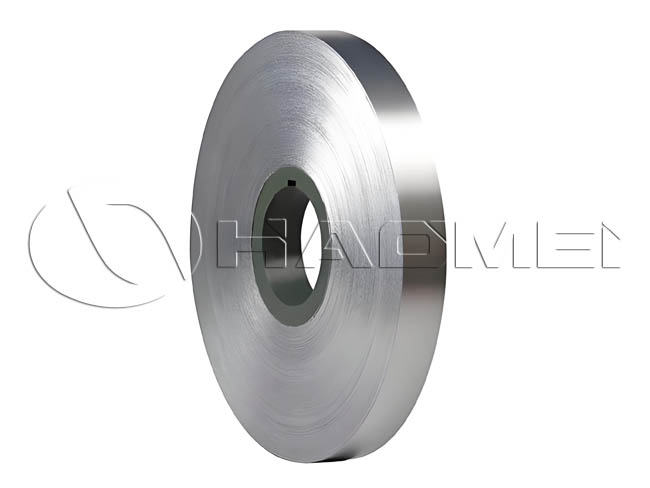
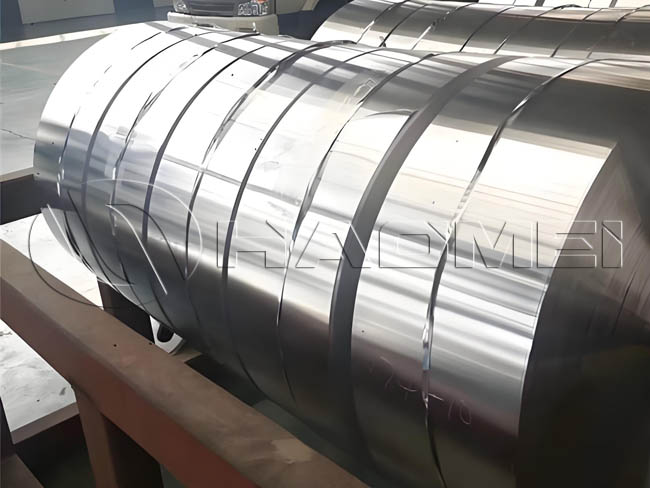
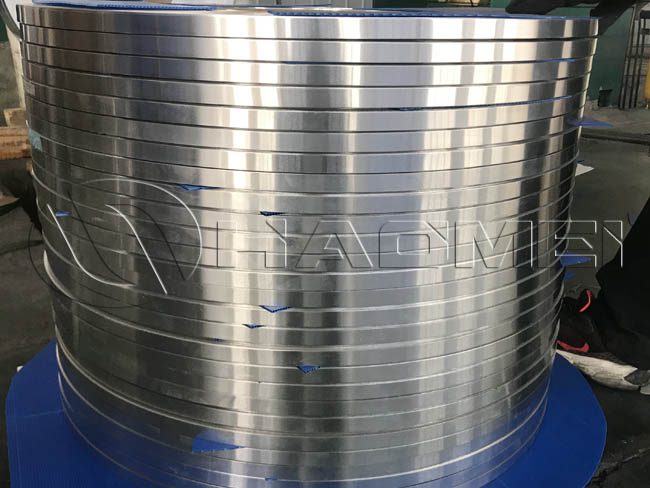
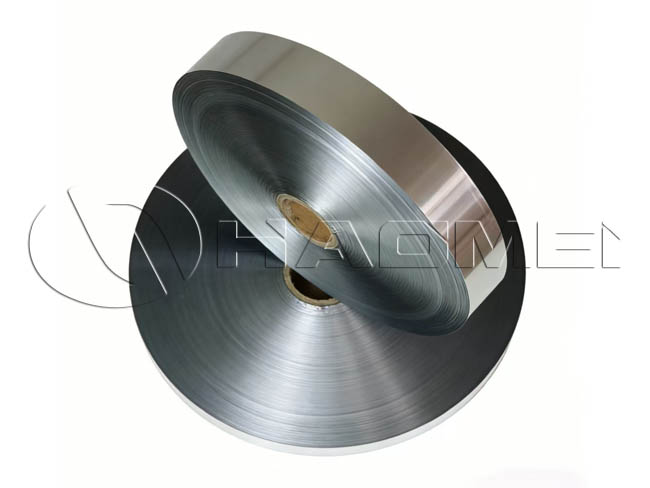
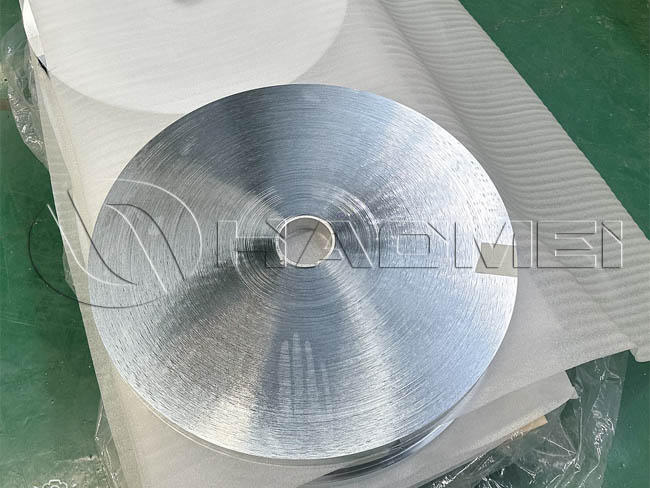
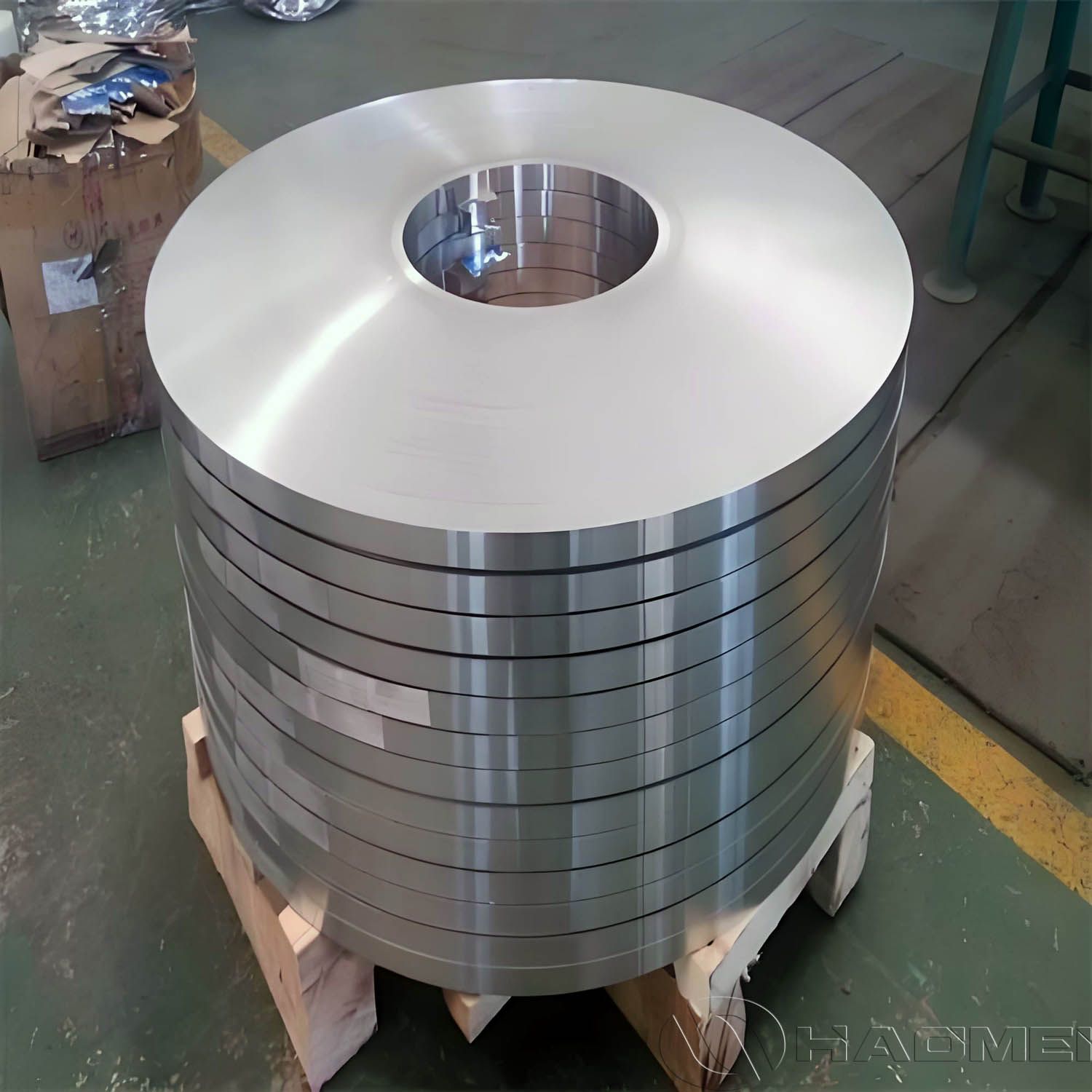
Interlocked armored cable aluminum alloy strip is a narrow aluminum alloy coil produced through precision rolling and slitting processes. It is commonly manufactured from alloys such as 5052, 5151, and 5154A, and is applied around the cable insulation layer, jacket, or inner sheath through an interlocking armoring process.
Functions of Aluminum Alloy Strip in Armored Cables
Aluminum alloy strip performs multiple important functions in armored cable constructions:
Mechanical Protection: Resists external pressure, impact, abrasion, and physical damage.
Electromagnetic Shielding: Provides a certain shielding effect and helps reduce electromagnetic interference.
Fire Protection: Aluminum alloy strip has good heat resistance and can contribute to cable protection in high-temperature environments.
Corrosion Resistance: Aluminum alloys naturally offer good resistance to corrosion, making them suitable for humid, industrial, and outdoor environments.
Thickness Options for Interlocked Armored Cable Aluminum Alloy Strip
The thickness selection of aluminum alloy strip for interlocked armored cables is not arbitrary. It is generally determined according to cable design, cable outside diameter, mechanical protection requirements, manufacturing equipment, and applicable cable standards, such as UL 1569, UL 2256, CSA C22.2 No. 51, and GB/T 12706.
Depending on cable diameter and mechanical protection requirements, commonly referenced aluminum alloy strip thicknesses for armoring applications may range from approximately 0.50 mm to 1.25 mm. However, thinner gauges are also widely used in lightweight, small-diameter, control cable, and flexible interlocked armor designs.
Common engineering thickness options include:
0.20 mm
0.25 mm
0.30 mm
0.35 mm
0.40 mm
0.50 mm
0.60 mm
0.70 mm
0.80 mm
1.00 mm
For different cable constructions, thickness can also be customized according to the customer’s armoring equipment, cable structure, and mechanical protection requirements.
The following table summarizes typical thickness ranges and their application characteristics:
| Thickness Range | Typical Characteristics | Reference Applications |
| 0.20–0.30 mm | Lightweight, flexible, easy to form | Small building cables, control cables, lightweight MC cables |
| 0.30–0.40 mm | Balanced performance and broad applicability | Standard interlocked armored cables, commercial building power distribution, general industrial wiring |
| 0.40–0.50 mm | Enhanced mechanical protection | Medium- and large-size cables, industrial installations, applications requiring greater mechanical protection |
| 0.50–0.70 mm | Higher strength and greater rigidity | Heavy-duty industrial cables, special projects, high-impact environments |
| Above 0.70 mm | Usually used for special designs or customized requirements | Large-diameter cables, special mechanical protection needs, non-standard armored cable structures |
Why Is Aluminum Alloy Strip Thickness So Important?
1. Mechanical Strength of Armor
Generally, assuming other conditions are similar, thicker aluminum tape offers superior resistance to compression and impact, as well as enhanced mechanical protection.
2. Overall Cable Weight
The density of aluminum is approximately one-third that of steel; consequently, even when using relatively thick aluminum tape, the overall weight can remain lower than that of traditional steel armor.
3. Cable Flexibility
Thinner aluminum tape is typically easier to bend and shape, facilitating the production of interlocking armor structures with superior flexibility.
4. Forming and Processing Performance
The interlocking armor process places high demands on the consistency of material thickness. Significant fluctuations in tape thickness can lead to issues during forming, such as uneven interlocking, localized looseness, cracking, wrinkling, or surface indentations.
5. Raw Material Costs
Aluminum alloy tape represents a significant cost component of interlocking armored cables. Increased thickness implies a higher volume of metal used per unit length of cable, thereby directly impacting material costs.
Specifications of Aluminum Alloy Strip for Interlocked Armored Cables
| Parameter | Recommended Information |
| Product Name | Interlocked Armored Cable Aluminum Alloy Strip |
| Alloy Grade | 5052 / 5154 / 5154A, etc. |
| Temper | O / H14 / H16 / H18, etc. |
| Thickness | For example: 0.30 / 0.40 / 0.50 mm |
| Width | 10–600 mm |
| Length | 1,000–16,000 mm |
| Cable Type | Control cable / power cable / industrial cable, etc. |
| Cable Outer Diameter | 76 / 152 mm, etc. |
| Armoring Method | Interlocked Armor |
| Surface Requirement | Mill Finish or other customized requirements |
| Coil Weight | According to customer equipment requirements |
| MOQ | 3 Tons |
| Applicable Standard | Customer standard or project specification |
 Quality Requirements for Interlocked Armor Aluminum Alloy Strip
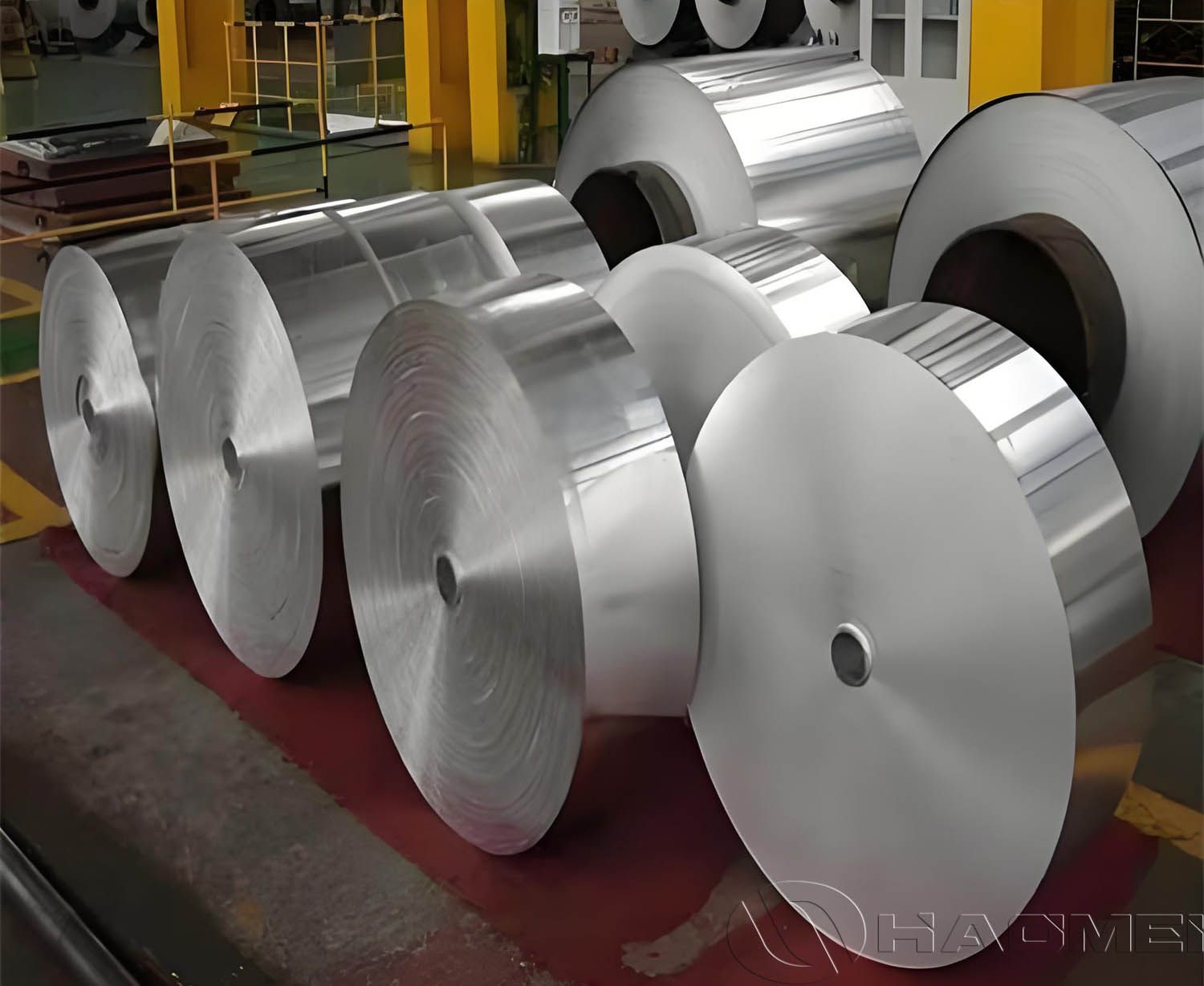
In addition to precise thickness control (typically requiring tolerances within ±0.02 mm), aluminum alloy strip used for interlocking armor must possess the following mechanical properties:
Balanced tensile strength and elongation: In the annealed state (typically O-temper or H22/H24 semi-hard temper), the strip must resist cracking or wrinkling during high-speed forming and profiling, while maintaining sufficient yield strength to ensure the structural integrity of the interlocking mechanism.
Burr-free edges: Slit edges must be smooth and clean to prevent scratching the underlying cable insulation or sheath during the high-speed interlocking process.
Good flatness and uniformity: The strip must be free from significant edge waves or center buckles to ensure consistent interlocking gaps during continuous wrapping and to prevent the interlock from disengaging.