 Contact Us
As global demand for reliable power transmission and distribution continues to grow, oil-immersed transformers remain one of the most important components of modern power infrastructure. Their performance largely depends on the quality of the winding conductors. Among various conductor materials, copper strip is widely regarded as an ideal choice due to its excellent electrical conductivity, mechanical strength, and long-term reliability.
HAOMEI supplies transformer winding materials and produces high-purity copper strip, including C11000 copper strip, to meet the strict requirements of transformer manufacturers, ensuring low energy loss, stable operation, and extended service life.
What Is Copper Strip for Oil-Immersed Transformer Windings?
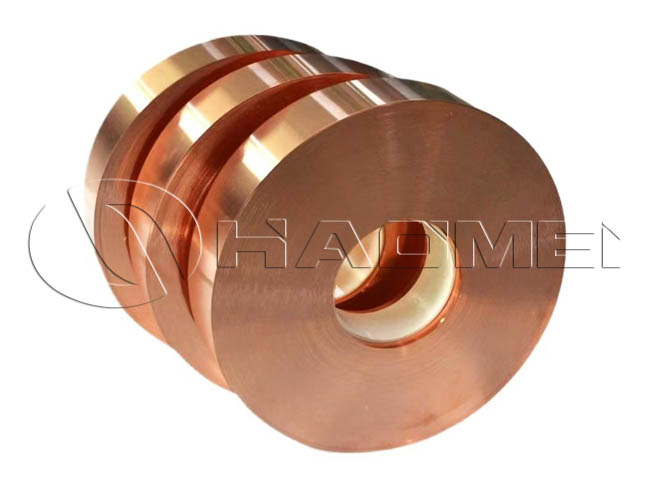
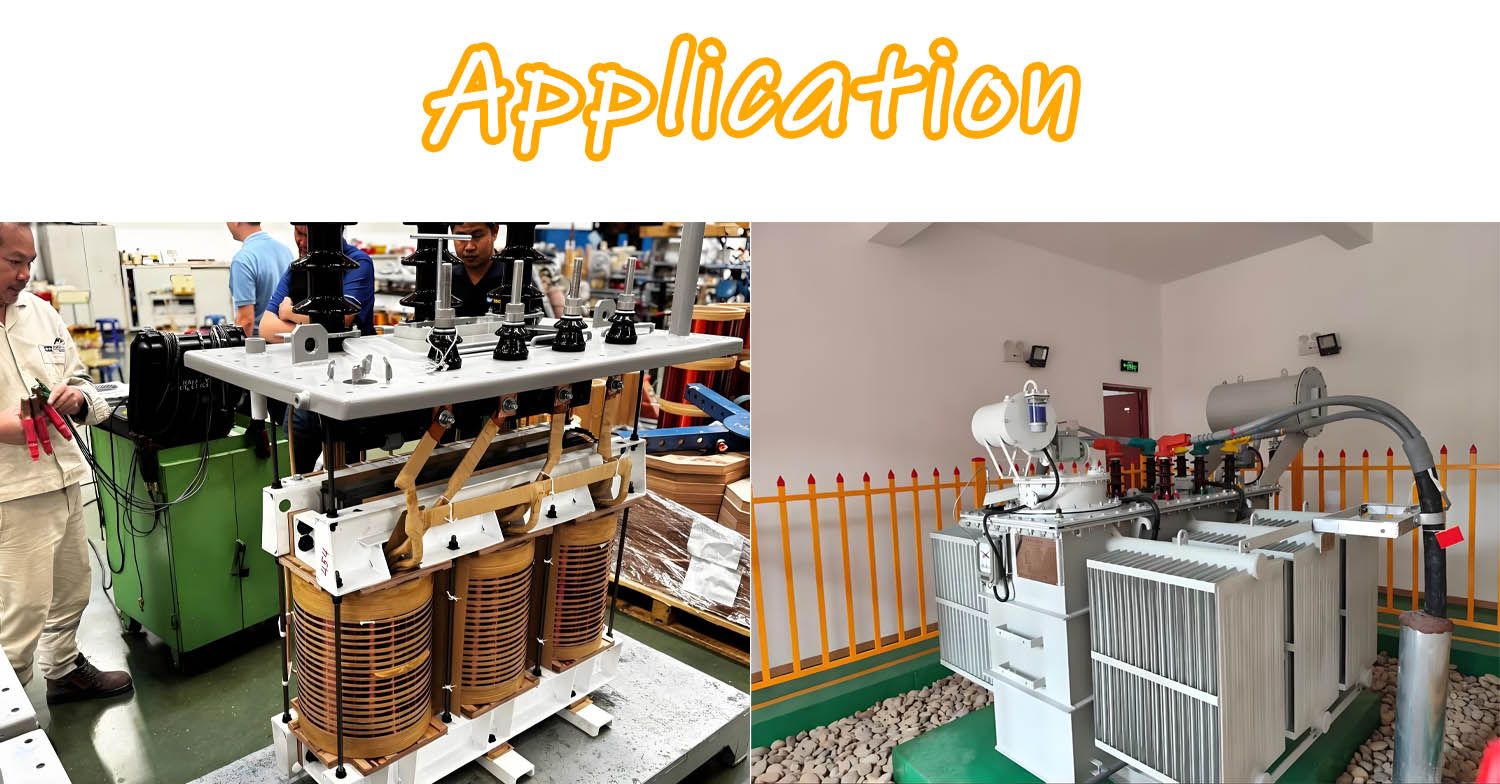
Transformer winding copper strip is a precision-rolled flat copper conductor used to manufacture the primary and secondary windings of oil-immersed transformers. During transformer operation, the windings are immersed in insulating mineral oil, which provides electrical insulation and efficient heat dissipation.
C1100 copper strip for transformers is widely used in the international market. It offers excellent electrical conductivity, corrosion resistance, and formability, making it suitable for transformer windings, electrical connectors, conductive components, and other applications.
Compared with round copper wire, copper strip provides a larger contact area, a more compact winding structure, and better heat dissipation performance. These advantages help reduce winding resistance, decrease losses, and improve transformer efficiency.
High-quality copper strip also helps improve short-circuit strength and mechanical stability, making it suitable for transformers operating under demanding electrical conditions.
Why Is Copper Strip Commonly Used as Winding Material in Oil-Immersed Transformers?
Transformer winding materials generally include copper and aluminum. Compared with aluminum strip for transformer windings, copper strip has obvious advantages in electrical conductivity, mechanical strength, thermal stability, and service life. Therefore, it is widely used in medium- and high-end oil-immersed transformers.
1. Better Electrical Conductivity
Under the same cross-sectional area, copper strip can carry a larger current and reduce power loss during electrical transmission. For oil-immersed transformers, lower winding loss means higher operating efficiency and easier temperature-rise control.
2. Excellent Thermal Conductivity
Copper strip has good thermal conductivity, allowing heat to be quickly transferred to transformer oil and then released through oil circulation and radiators. This helps improve the heat dissipation efficiency of the transformer.
3. High Mechanical Strength and Strong Short-Circuit Resistance
Oil-immersed transformers may withstand short-circuit impulse current during operation. At this moment, the winding is subjected to strong electrodynamic forces. If the material strength is insufficient, deformation, loosening, or even damage may occur. Copper strip has high mechanical strength, which improves the impact resistance and structural stability of the winding.
4. Long Service Life
High-quality copper strip has good chemical stability and strong corrosion resistance. It can remain reliable for a long time in transformer oil, helping extend the overall service life of the transformer.
Specifications of Transformer Winding Copper Strip
| Item | Specification |
| Material | High-Purity Copper, Cu ≥ 99.95% |
| Grade | C11000 |
| Temper | O, Soft Annealed |
| Thickness | 0.08–5.00 mm |
| Thickness Tolerance | ±0.005 mm – ±0.02 mm |
| Width | 5–300 mm |
| Width Tolerance | ≤400 mm: ±0.1 mm; 400–600 mm: ±0.3 mm |
| Length | 1000–16000 mm |
| Tensile Strength | ≥200 – ≥230 MPa |
| Elongation | ≥20% – ≥30% |
| Hardness | 45–75 HV |
| Surface | Bright, Clean, Oxidation-Free |
| Edge Type | Rounded Edge or Slit Edge |
| Conductivity | ≥100% IACS |
| Standard | ASTM, EN, GB, JIS |
| Applications | Oil-immersed transformer windings, dry-type transformer windings, reactors, instrument transformers, etc. |
Application Scenarios
Copper strip for transformer windings is widely used in:
Distribution transformers
Power transformers
High-voltage transformers
Medium-voltage transformers
Renewable energy transformers
Industrial transformers
Substation transformers
Mining transformers
Railway transformers
Large-capacity electrical equipment
How to Choose the Right Transformer Copper Strip?
1. Select Thickness According to Transformer Capacity
For small-capacity transformers, thinner copper strip can be selected, such as 0.09–0.3 mm. For large-capacity transformers, thicker copper strip, such as 0.6–2.0 mm, is required to carry higher current.
2. Select Width According to Winding Position
Low-voltage windings usually use wide copper strip to improve current-carrying capacity and reduce resistance loss. High-voltage windings should select the appropriate width according to design requirements.
3. Pay Attention to Edge Quality
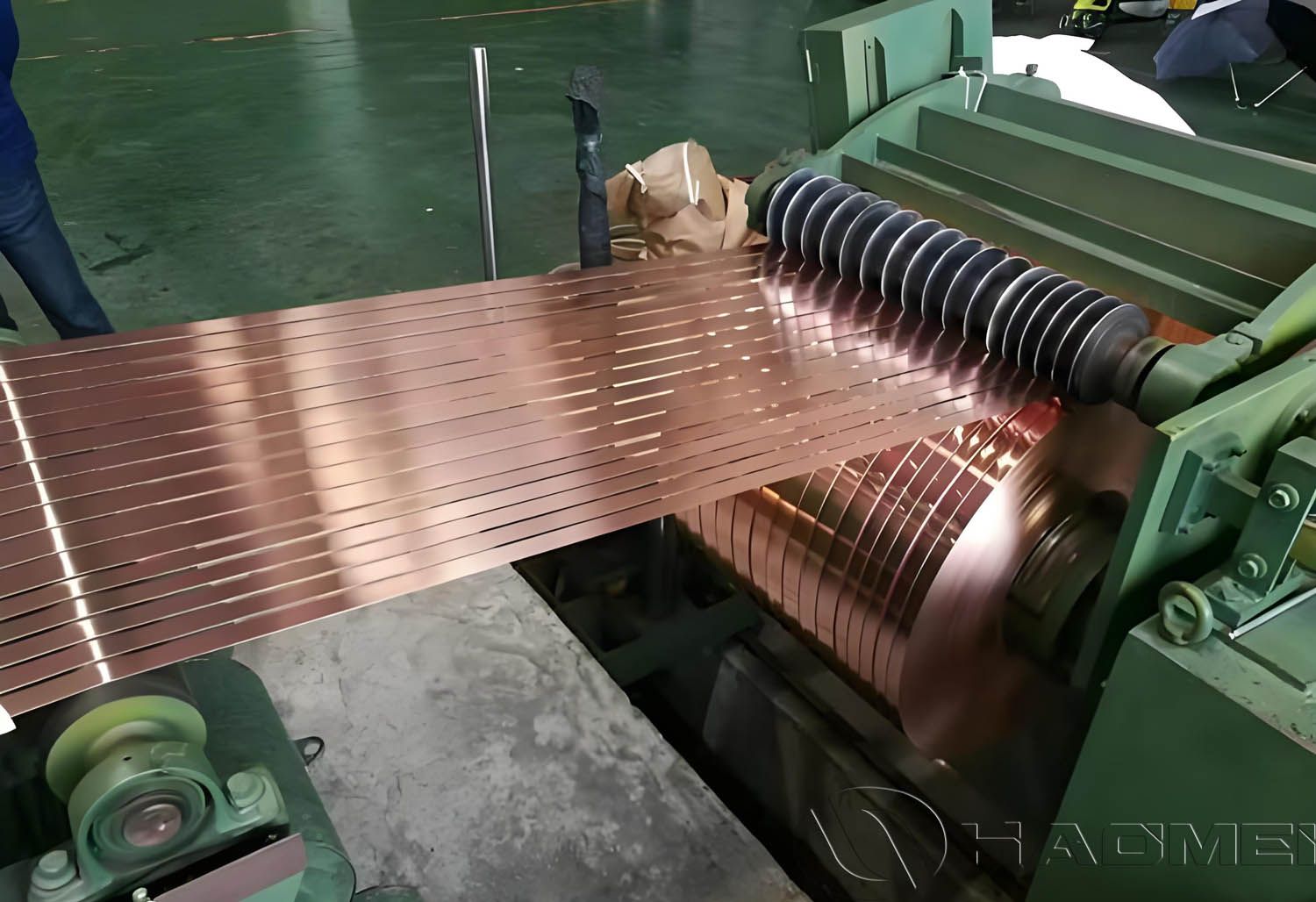
The edges of the copper strip should be specially treated to be truly burr-free, reducing safety risks and improving production efficiency. Standards have very strict requirements for burrs on slit edges.
4. Consider Hardness Matching
If the copper strip is too hard, it will have strong springback during winding and the structure will not be compact. If it is too soft, longitudinal stretching and surface scratches may occur during tension winding. Copper strip with moderate and uniform hardness, typically 45–65 HV, is recommended.
FAQ
1. Why do oil-immersed transformer windings tend to use copper strip instead of round wire?
Copper strip enables a more compact winding structure, lower resistance, better heat dissipation, and higher short-circuit strength, thereby improving transformer efficiency.
2. What copper grades are commonly used for transformer winding strips?
The most commonly used grades are C11000, ETP copper, and T2 copper. Both have a copper purity of at least 99.95% and electrical conductivity of 100% IACS or higher.
3. What temper is recommended for transformer winding copper strip?
Soft annealed temper, also known as O temper, is usually preferred because it provides excellent flexibility, is easy to wind, and is less likely to crack.
4. Can you produce custom-sized copper strips?
Yes. We can produce copper strips with customized thickness, width, edge shape, and coil weight according to customer drawings or technical requirements.
5. Which standards do your copper strips comply with?
Our products can be manufactured according to ASTM, EN, GB, JIS, or other customer-specified standards, ensuring compatibility with global transformer manufacturing requirements.